Each bottle of wine tells a story, and no two stories are exactly alike. Vintage variation is one of the most fascinating aspects of winemaking, especially at a family-run estate like Mitchell Katz Winery. In 2025, this story is being written one weather pattern at a time, and every decision in the vineyard reflects decades of experience and adaptation.
What Is a Wine Vintage?
In wine terminology, a “vintage” refers to the year in which the grapes were harvested. This simple number on a wine label represents a complex blend of natural forces, vineyard practices, and winemaking choices. Because grapes are an agricultural product, their quality and character are intimately tied to the conditions of the growing season.
A cool, wet year will yield dramatically different wines than a hot, dry one. While some wine regions use blending to minimize these differences, Mitchell Katz Winery celebrates them, using vintage variation as a way to express authenticity and a sense of place.
The Role of Weather in Grape Development
Grapevines are particularly sensitive to their environment. The three most influential weather-related factors on vintage variation are:
- Temperature: Affects ripening speed and sugar accumulation.
- Rainfall: Impacts vine stress, disease risk, and berry dilution.
- Sunlight hours: Drives photosynthesis and tannin development.
Even small shifts in these variables can change a wine’s acidity, tannin structure, color, and aromatics. For example, too much heat during veraison (when grapes change color and soften) can stress vines and hasten ripening, while cooler temps may preserve acidity but delay harvest.
Livermore Valley’s Unique Climate
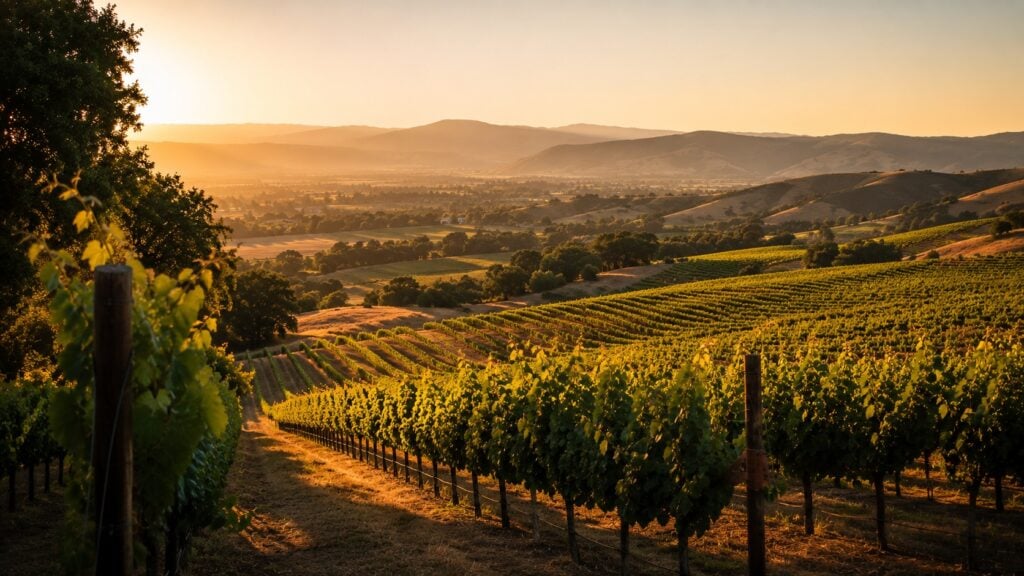
Mitchell Katz Winery benefits from Livermore Valley’s distinctive terroir. Unlike more coastal regions, Livermore experiences a wider diurnal temperature swing, meaning warm days and cool nights. This range preserves acidity and allows for balanced flavor development.
The valley also gets strong afternoon winds from the San Francisco Bay, helping to regulate vineyard temperatures and reduce fungal pressure. However, climate change is starting to shift these patterns, adding uncertainty to every vintage.
A Look Back: Comparing Past Vintages at Mitchell Katz Winery
Let’s look at how different years have shaped Mitchell Katz wines:
- 2017: A warm year, wines were plush and fruit-forward, particularly the Cabernet Sauvignon.
- 2019: Cooler and more balanced, with structured tannins and vibrant acidity.
- 2022: Drought-impacted, yielding concentrated, lower-volume wines with intense depth.
Each of these vintages brought its own personality, and each was guided by weather-related decisions made in the vineyard and cellar.
Forecasting 2025: Early Weather Patterns and Expectations
So far, 2025 in Livermore Valley has seen a wetter-than-usual winter and a cooler spring. These conditions are influencing bud break and flowering timing, potentially pushing harvest later into the fall. This extended growing season can be advantageous, allowing more flavor development if fall rains hold off.
Preliminary forecasts suggest a mild summer, which could produce wines with lower alcohol, fresher acidity, and nuanced aromatics which is a contrast to recent hotter vintages. However, vintners are watching for any heat spikes in August and early September.
How Weather Affects Wine Styles and Flavors
Vintage weather conditions leave a noticeable fingerprint on:
- Alcohol levels: Hot years = higher sugars and thus higher alcohol.
- Acidity: Cooler weather preserves acidity, which affects freshness and aging potential.
- Tannin ripeness: Sunlight and heat help develop softer, riper tannins.
- Flavor complexity: Longer, slower ripening often enhances complexity.
For example, a 2025 Mitchell Katz Merlot may showcase more red fruit and floral notes if the season remains cool, versus darker, jammy profiles in hotter years.
Vineyard Strategies for a Variable Climate
The vineyard team at Mitchell Katz is prepared. Here are some strategies being used to manage the 2025 season:
- Canopy management: Adjusting leaf coverage to balance sun exposure.
- Cover cropping: Enhances soil health and water retention.
- Precision irrigation: Supports vine stress management without overwatering.
- Phenology tracking: Monitoring vine development closely to time interventions.
These tools help adapt to unpredictable weather and support consistent wine quality.
From Grape to Glass: Adapting Winemaking for the 2025 Harvest
Once grapes are picked, the winemaking process adapts too:
- Fermentation control: Adjusting temperature and yeast to enhance desired characteristics.
- Oak aging decisions: Lighter use of oak may preserve freshness in a cooler vintage.
- Blending trials: Combine lots to create balance and complexity.
Every step, from crush to bottle, is customized for the grapes’ unique fingerprint. The 2025 vintage may see more restrained, elegant wines with longer aging potential.
What This Means for Wine Lovers
For Mitchell Katz fans, vintage variation means every bottle is a snapshot of a specific year in Livermore. The 2025 wines will tell a story of patience, precision, and passion. Wine club members and tasting room guests will get to experience these unique expressions firsthand.
Buying wine by vintage is like collecting moments in time. As you savor a 2025 Zinfandel in the future, you’ll be tasting not just grapes, but an entire season of sun, wind, rain, and human care.
Historical Weather Patterns in Livermore Valley
Understanding vintage variation at Mitchell Katz requires looking back at long-term weather trends. Over the past 30 years, Livermore Valley has seen gradual increases in average temperatures and a decline in predictable rainfall. These trends inform viticultural decisions, such as earlier bud break and earlier harvest dates.
Comparing data from the 1990s to the 2020s shows a 2–3°F increase in average summer highs. This shift affects sugar accumulation, pushing alcohol levels higher unless vineyard practices are adjusted.
By reviewing historical weather alongside tasting notes from past vintages, the Mitchell Katz team better predicts how a season’s start will shape its wines.
The Science Behind Grape Phenology
Phenology refers to the study of biological events triggered by environmental factors. In viticulture, it includes bud burst, flowering, veraison, and harvest. Each phase is influenced by heat accumulation and daylight hours.
For instance, a cooler spring in 2025 delayed flowering, which means the fruit set happened under cooler, less stressful conditions. This can lead to smaller berries with more concentrated flavors.
Mitchell Katz Winery uses phenology models to track vine development. This precision ensures optimal canopy management and harvest timing, even as climate conditions shift.
Understanding Microclimates Within the Vineyard
Even within a single vineyard, conditions can vary dramatically. One block might sit in a cooler hollow, while another gets more sun and wind. These microclimates contribute to complex blending opportunities post-harvest.
Mitchell Katz Winery maps these microclimates using drone imagery and soil sensors. Grapes from cooler spots are harvested later for freshness, while warmer spots might yield riper, more robust components.
This site-specific strategy is essential for building balanced wines in variable vintages like 2025.
Innovations in Climate Monitoring at Mitchell Katz Winery
To stay ahead of unpredictable weather, the winery employs tools such as:
- On-site weather stations
- Thermal imaging drones
- Real-time soil moisture sensors
These technologies help the vineyard team make split-second decisions, whether it’s turning off irrigation after unexpected rainfall or adjusting canopy management to combat sudden heat spikes.
Such proactive monitoring helps mitigate the risks of extreme weather, producing wines with consistent quality year after year.
How Soil Composition Amplifies Weather Effects
Soil plays a critical role in how vines respond to weather. Sandy loam drains quickly, which is ideal during wet springs, while heavier clay holds moisture better during drought years.
The Mitchell Katz estate features a mix of gravel, sand, and loam. In dry years like 2022, deeper-rooted vines in clay-rich blocks performed better. In wetter seasons, well-draining soils prevented vine stress.
Understanding these interactions helps the team tailor their approach for each vintage and even each vineyard row.
The Impact of Smoke and Fire on Recent California Vintages
While Livermore has been relatively shielded from severe wildfires, smoke from nearby regions has occasionally drifted into the valley. Smoke taint can affect grape skins, altering wine aroma and taste.
To address this, Mitchell Katz Winery has begun:
- Testing grapes for guaiacol compounds pre-harvest
- Using more whole-berry fermentation when needed
- Adapting fermentation techniques to minimize skin contact
In 2025, smoke exposure has been minimal so far, but protocols are in place just in case.
Barrel Aging Decisions Based on Vintage Conditions
Not every vintage benefits from the same oak regimen. Cooler years often require less new oak to preserve delicate aromatics, while bolder vintages may integrate well with longer barrel aging.
The 2025 wines may see shorter time in barrel or a higher proportion of neutral oak. This approach helps highlight vintage-specific traits, like red fruit brightness or minerality.
These decisions are made after extensive barrel trials, ensuring that oak complements rather than masks the season’s unique expression.
Consumer Perception: Do Wine Drinkers Understand Vintage Variation?
While sommeliers and collectors often seek out vintage-specific wines, many casual drinkers are unaware of the impact a growing season has on their glass.
Mitchell Katz Winery is working to change that by:
- Including vintage notes in their tasting room materials
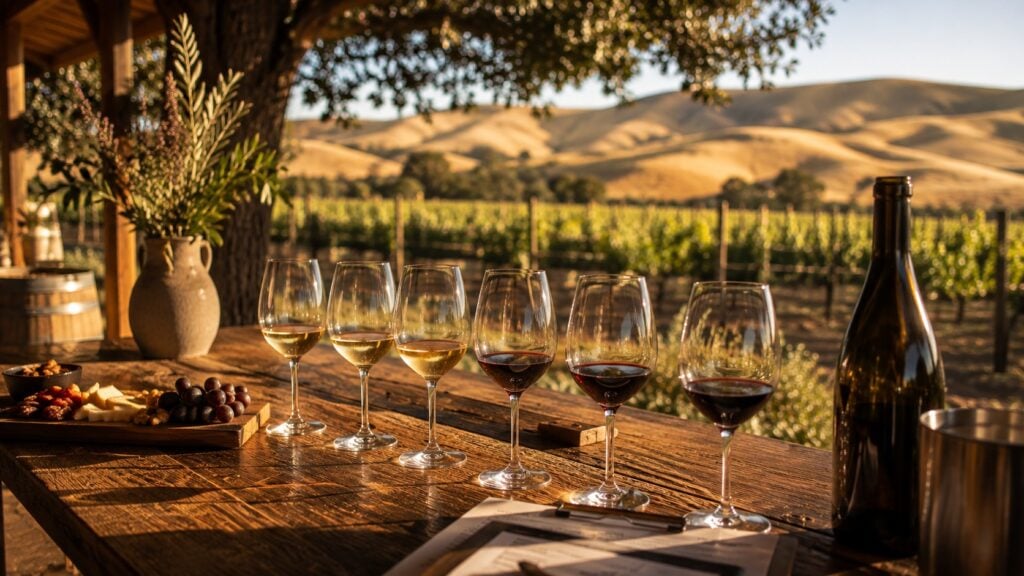
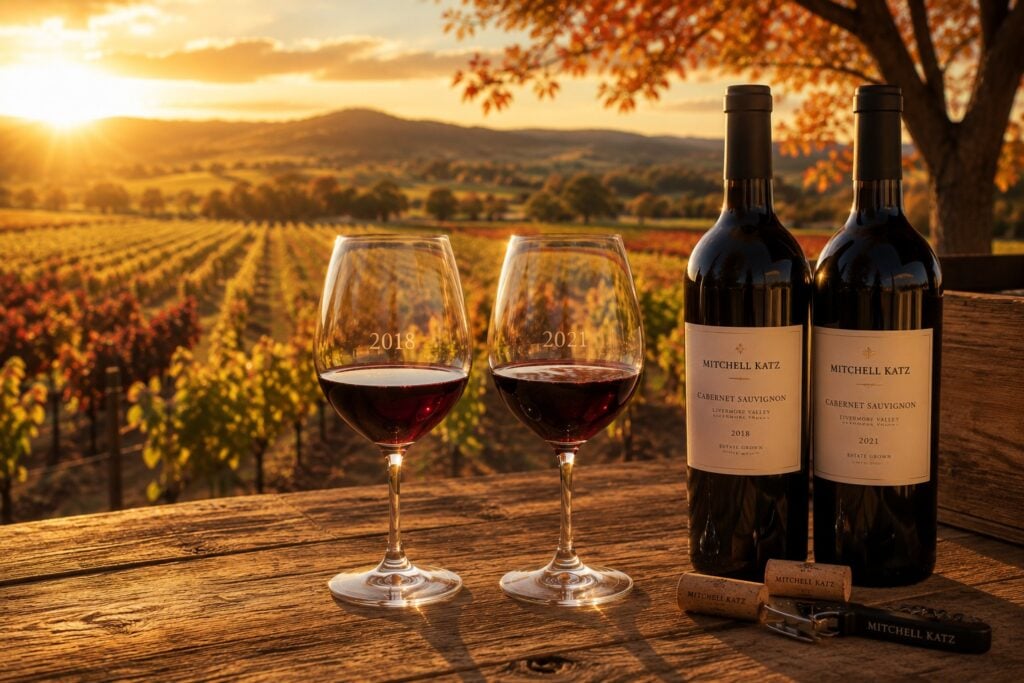
- Hosting vertical tastings that compare years
- Educating wine club members through newsletters and exclusive events
The goal is to turn every wine lover into a vintage sleuth, savoring the story behind each label.
Expert Predictions: What Sommeliers Expect from the 2025 Vintage
Industry experts are already speculating that 2025 could be one of the most elegant Livermore vintages in recent memory. Sommeliers anticipate:
- Lower alcohol levels
- High-toned red fruit
- Structured, age-worthy wines
Mitchell Katz wines from 2025 may pair exceptionally well with food and show longer cellaring potential, making them favorites among restaurants and collectors alike.
Educating Visitors: How Mitchell Katz Winery Shares the Vintage Story
A visit to Mitchell Katz isn’t just about tasting wine, it’s about understanding its origins. The winery integrates seasonal storytelling into every guest interaction.
Tasting room hosts share:
- Insights on current vineyard conditions
- Comparisons to past vintages
- Stories from the winemaking team
Interactive vineyard tours, seasonal events, and digital content all help wine lovers connect with the vintage journey.
Conclusion: Anticipating a One-of-a-Kind Vintage
Vintage variation is not a flaw, it’s a feature. At Mitchell Katz Winery, it’s embraced as a way to honor nature and celebrate the nuances of each growing season. The early indicators suggest that 2025 will yield a vintage of elegance, freshness, and expressive character.
Whether you’re a collector or casual sipper, this is a vintage to watch and eventually, to savor.
FAQs
What is vintage variation in wine?
Vintage variation refers to the differences in wine taste, aroma, and structure caused by weather changes during each growing season.
How does Livermore Valley’s climate impact grape growing?
Livermore’s warm days and cool nights create ideal conditions for balanced wines, but annual weather shifts can significantly affect the final product.
Why does Mitchell Katz Winery highlight vintage differences?
Instead of masking variation, Mitchell Katz Winery embraces it to showcase the authenticity and unique character of each vintage.
Will 2025 wines be better than previous years?
“Better” is subjective, but early signs point to a cooler, longer season, which could result in elegant, age-worthy wines with bright acidity.