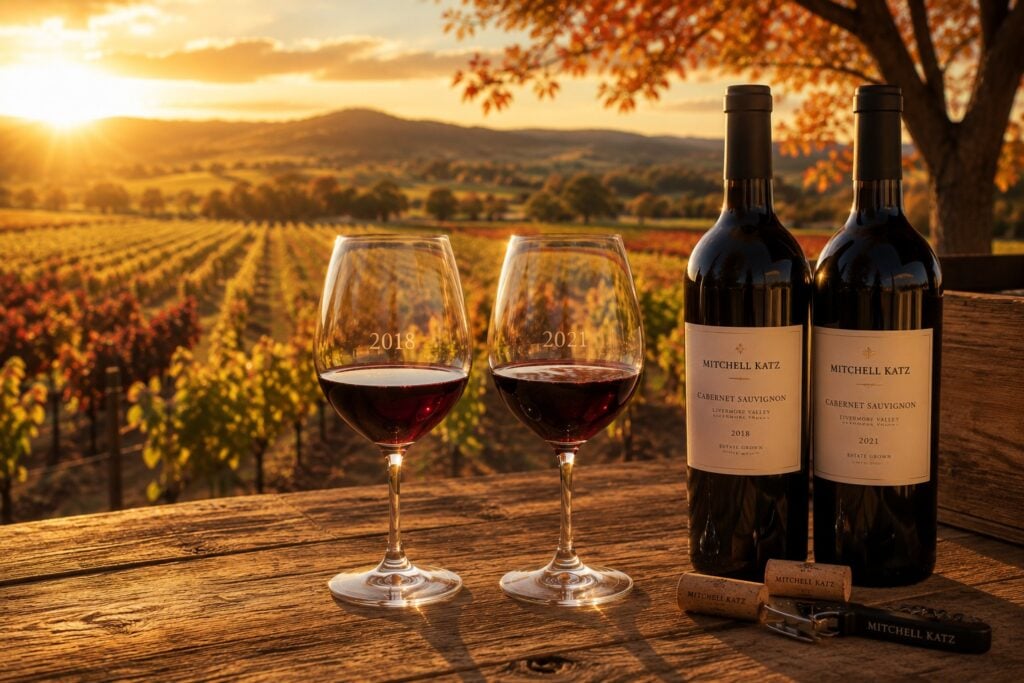
The “Livermore Effect” refers to the unique impact that Livermore Valley’s diverse and scientifically fascinating soil has on the wines produced here, especially at Mitchell Katz Winery. It’s not just about where the grapes grow, but how the very earth beneath them shapes their flavor, structure, and character.
As wine drinkers become more curious and discerning, the story of terroir, the complete natural environment in which wine is produced, has taken center stage. Soil, in particular, is often overlooked but plays a critical role. Let’s dig deep into how Mitchell Katz wines are shaped by the soil they grow in.
A Brief History of Livermore Valley Terroir
Before Napa had its global fame, Livermore Valley was already producing wines worthy of international acclaim. As one of California’s oldest wine regions, it boasts a winemaking legacy that dates back to the 1840s. But what truly sets Livermore apart, and defines the Mitchell Katz Winery style, is its geological makeup.
Livermore Valley sits atop an ancient seabed. Over millions of years, tectonic shifts, volcanic activity, and sedimentary layering created a rich mosaic of soil types, from gravelly loam to sandy clay, and everything in between. This complexity offers winemakers a rich palette to work with.
The Science of Soil: What Lies Beneath the Vines
Soil in viticulture is more than just dirt, it’s a living, breathing ecosystem. Here’s what makes soil so influential in winemaking:
- Mineral content: Calcium, magnesium, potassium, and iron all affect vine health and grape development.
- Drainage: Well-draining soils prevent waterlogging, which can dilute grape flavors.
- pH balance: Determines nutrient availability and vine metabolism.
- Microbial life: Healthy soils teem with fungi and bacteria that support vine immune systems and nutrient cycling.
At Mitchell Katz Winery, understanding these components isn’t just theoretical, it’s integral to the vineyard strategy.
The Soil Types of Mitchell Katz Winery Vineyards
Mitchell Katz sources grapes from select vineyards across Livermore Valley, each chosen for its distinct soil profile. Here are some common soil types found in their vineyard sources:
- Gravelly Loam: Excellent drainage, ideal for Cabernet Sauvignon and Merlot. Enhances tannic structure and dark fruit expression.
- Clay Loam: Retains more moisture, giving body and roundness to white varietals like Chardonnay.
- Sandy Soil: Found in warmer pockets of the valley, encouraging early ripening and fruit-forward wines like Zinfandel.
- Volcanic Rock Deposits: These rare patches add mineral complexity and intensity, especially to bold reds.
Each vineyard plot is matched with grape varietals that thrive best in its specific conditions which is an approach known as precision viticulture.
How Soil Chemistry Impacts Wine Characteristics
Soil is like the seasoning in a complex recipe. It doesn’t change the main ingredient, the grape, but it absolutely changes how it tastes.
Here’s how Livermore soil chemistry influences the final glass:
| Soil Type | Influence on Wine | Best Varietals |
|---|---|---|
| Gravelly Loam | Bold tannins, concentrated fruit, excellent aging potential | Cabernet Sauvignon, Syrah |
| Sandy Clay | Soft textures, fruity aromas, quick maturation | Chardonnay, Sauvignon Blanc |
| Volcanic Rock | High acidity, spicy notes, deep minerality | Petite Sirah, Tempranillo |
At Mitchell Katz, this understanding is applied across all wine styles, ensuring each bottle expresses the true character of its origin.
Varietal Spotlight: How Different Grapes React to Different Soils
Let’s take a closer look at how soil specifically impacts the varietals Mitchell Katz Winery is known for:
Cabernet Sauvignon
- Thrives in gravel-rich soils with excellent drainage.
- At Mitchell Katz, Cabernets show structured tannins, dark berry intensity, and aging longevity.
Chardonnay
- Grown in clay-loam areas for moisture retention.
- Results in rich, round textures with notes of citrus, apple, and gentle oak.
Zinfandel
- Prefers sandy soils with warmer microclimates.
- Mitchell Katz Zins are known for their vibrant red fruit, spice, and full-bodied mouthfeel.
Each varietal has its soil soulmate and Mitchell Katz has mastered these pairings to create wines with personality and purpose.
Farming Practices that Respect the Soil
Healthy soil doesn’t happen by accident. The vineyard team at Mitchell Katz Winery employs eco-friendly, soil-first practices to preserve and enhance the ground they farm:
- Cover cropping: Planting nitrogen-fixing plants to improve soil fertility.
- Minimal tillage: Reduces erosion and protects microbial life.
- Composting: Reintroduces organic material for long-term soil health.
- Drip irrigation: Conserves water while targeting root systems efficiently.
These methods ensure that soil remains a renewable resource, not a depleted one and it shows in the wine.
The Human Touch: Winemaking Choices that Maximize Terroir
Even the best soil needs the right hands to turn grapes into greatness. At Mitchell Katz Winery, the winemaking process is designed to highlight, not overshadow, the vineyard.
Key techniques include:
- Minimal intervention fermentation: Allows native yeast to express site-specific flavors.
- Selective oak aging: Enhances structure without muting terroir.
- Small-lot vinification: Keeps vineyard identity intact from vine to bottle.
This balance of science and art results in wines that truly taste like Livermore Valley.
Comparing Livermore to Other California Wine Regions
Why does Livermore soil stand out in a state full of acclaimed vineyards?
| Region | Dominant Soil | Wine Impact |
|---|---|---|
| Napa Valley | Volcanic, clay | Bold, structured, age-worthy reds |
| Sonoma | Alluvial, loam | Elegant, balanced, cool-climate varietals |
| Paso Robles | Calcareous, shale | Intense, warm-climate reds with spice |
| Livermore Valley | Gravel, loam, sand | Fruit-forward, mineral-rich, terroir-driven |
Livermore may not have the global fame of Napa, but its soil complexity rivals or exceeds many better-known regions especially when showcased by thoughtful producers like Mitchell Katz.
Geological History of Livermore Valley: A 15-Million-Year Evolution Beneath the Vines
Wine may be a product of this year’s vintage, but its true origin story is ancient. To understand why the soil in Livermore Valley is so uniquely suited to viticulture, and how Mitchell Katz Winery is rooted in this geological legacy, we must dig deep into a history that predates humans by millions of years.
The Tectonic Forces That Shaped Livermore Valley
Around 15 million years ago, the Livermore Valley was part of a submerged marine basin. Over time, tectonic uplift caused by the collision of the Pacific and North American plates raised this seabed, forming the Diablo Range and surrounding valleys. As these mountains rose, ancient oceanic deposits were thrust upward and eventually eroded by wind and water, depositing minerals across the developing valley floor.
These geological events resulted in:
- Marine sediment layers: Packed with limestone, clay, and organic material.
- Volcanic intrusions: Adding basalt and mineral-rich ash deposits.
- River and alluvial activity: Creating pockets of gravel, sand, and silt.
This rare combination of marine, volcanic, and alluvial soils creates microzones throughout the valley which is what viticulturists call “soil mosaics.”
A Soil Time Capsule
The result of this geological alchemy is a living time capsule beneath the feet of every vineyard worker. At Mitchell Katz Winery, the diversity of soil types means each vineyard site comes with its own mini-history. A gravelly patch near the creek may reflect ancient riverbeds, while a chalky hillside might be a former coral reef from when the valley was underwater.
Geologists have identified dozens of unique soil series in Livermore, including:
- Positas gravelly loam: Excellent drainage, ideal for bold reds.
- Clear Lake clay: Deep, rich, retains water—perfect for whites.
- Feliz loam: Slightly acidic, supports balanced growth and ripening.
Each of these influences how grapes grow, mature, and express themselves in the glass.
Why Geological Diversity Matters for Wine
In regions like Bordeaux or Burgundy, it’s well understood that geological diversity equals wine diversity. Livermore is no different, though it’s often underappreciated.
Here’s what geology brings to the wine:
| Geological Element | Wine Influence |
|---|---|
| Marine Sediments | Briny minerality, acidity, freshness |
| Volcanic Soils | Structure, power, intensity |
| Alluvial Gravel | Drainage, concentration, age-worthiness |
| Clay Layers | Richness, fatness, fruit-driven notes |
Mitchell Katz leverages this complexity not just by choosing vineyards for their aesthetics or microclimates—but for what millions of years of geological activity bring to the final wine.
Grapevines as Geological Translators
Grapevines are, in essence, nature’s geologists. Their roots explore the substrata of soil layers, mining minerals that subtly affect grape chemistry. And while a human may not be able to taste “iron oxide” or “volcanic ash,” the grape absolutely can and the resulting wine tells the story.
At Mitchell Katz Winery, the vines aren’t just growing, they’re translating Earth’s deep past into sensory language we can enjoy with every sip.
Final Sips: Why Soil Science Is the Secret to Great Wine
Next time you open a bottle of Mitchell Katz wine, consider this: you’re not just tasting the fruit or the barrel. You’re tasting the very ground it came from.
From gravelly vineyard blocks to sandy-clay parcels, the Livermore Effect lives in every sip. It’s a story of geology, farming, and passion and it continues to evolve with each vintage.
Soil science may not be glamorous, but at Mitchell Katz Winery, it’s foundational. And if great wine starts in the vineyard, then spectacular wine begins in the soil.