Before your nose catches the aroma or your palate savors the first sip, your experience with wine begins with the label. At Mitchell Katz Winery, every bottle tells a layered story, one of heritage, climate, craftsmanship, and intention. Far from being mere decoration, wine labels are a window into the vineyard, vintage, and philosophy that shaped the wine within.
But how do you read a wine label with confidence, especially when terms like “single-vineyard,” “estate-grown,” or “barrel-aged” appear alongside cryptic numbers or romantic prose? This guide will demystify every element, using the elegantly crafted labels of Mitchell Katz Winery as our case study.
The Anatomy of a Wine Label
Wine labels typically feature two parts: the front label, which attracts your attention and brand recognition, and the back label, where deeper details reside.
Common Elements on a Front Label:
- Winery name
- Wine name or varietal
- Vintage year
- AVA (American Viticultural Area)
- Alcohol by volume (ABV)
Common Elements on a Back Label:
- Winemaker notes
- Suggested food pairings
- Aging techniques
- Vineyard source
- Contact or tasting room info
Each part serves both a legal and storytelling function.
What Makes Mitchell Katz Wine Labels Unique
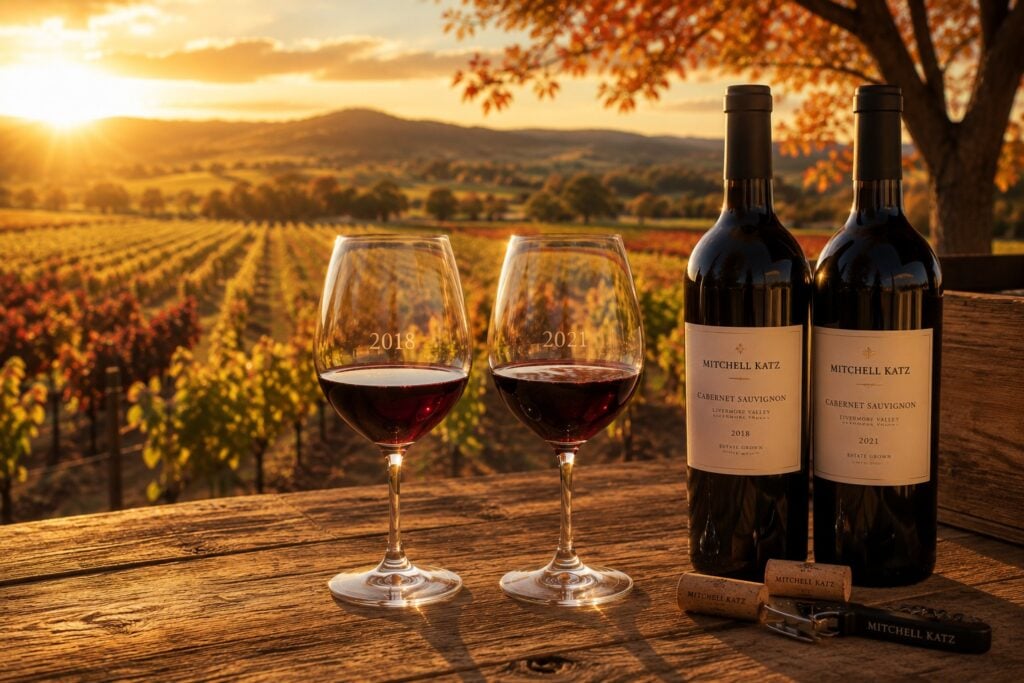
Mitchell Katz Winery stands apart by staying true to its single-vineyard, estate-grown roots. The label design reflects that authenticity. There’s no generic “California Red”, each bottle is meticulously labeled with the specific vineyard, grape varietal, and year of harvest.
This level of transparency not only honors the Livermore Valley’s terroir but invites wine lovers into the behind-the-scenes magic. The artistry is subtle but intentional, from the embossed logo that nods to tradition, to the minimalist design that lets the wine take center stage.
Front Label Deep Dive: The First Impression
The front label is like a book cover, it must intrigue but also inform. Here’s what to look for:
Winery Name: Mitchell Katz Winery
This isn’t just branding, it signals a legacy of over two decades of craftsmanship in Livermore Valley.
Varietal: e.g., Cabernet Sauvignon, Syrah, Chardonnay
This tells you the type of grape used. Mitchell Katz wines are always 100% varietal, so what you see is what you get, no blending fog.
Vintage: e.g., 2021
This refers to the year the grapes were harvested, not bottled. A warmer or cooler vintage can drastically affect taste and structure.
AVA: Livermore Valley
A prestigious AVA, Livermore’s unique microclimates produce wines with structure, depth, and acidity especially reds.
ABV: Alcohol by volume
Typically ranges from 13%–15% at Mitchell Katz, depending on varietal and vintage conditions.
Back Label Secrets: Where the Details Live
This is where the wine truly speaks. Mitchell Katz’s back labels often include:
- Tasting Notes – Flavor profiles like blackberry, cherry, tobacco, or vanilla
- Aging Technique – Time in French oak vs. American oak barrels
- Winemaking Style – Unfiltered, native fermentation, or extended maceration
- Serving Suggestions – Ideal pairings (e.g., grilled steak, mushroom risotto)
- Vineyard Story – Some labels mention the name of the vineyard block or elevation
This isn’t marketing fluff, it’s a primer for how to enjoy the wine at its best.
Estate-Grown and Single-Vineyard: Why It Matters
When a label says “estate-grown,” it means the grapes were grown, harvested, fermented, and bottled on the same property. Mitchell Katz champions this model, ensuring complete control over the winemaking process.
“Single-vineyard” goes a step further: the wine comes from one specific vineyard plot. This means the soil, sunlight, and slope all leave a unique fingerprint on the wine, a concept known as terroir.
These terms aren’t just prestige, they’re quality guarantees. You’re tasting the real Livermore, not a blend of grapes from across the state.
Livermore Valley’s Signature on the Label
Mitchell Katz is proud to declare Livermore Valley AVA on every bottle. This signals:
- Warm days, cool nights – perfect for ripening and acid retention
- Gravelly loam soils – ideal drainage for balanced vines
- Sustainable farming practices – minimal intervention, natural balance
Few wine regions in California offer this level of terroir integrity and fewer still showcase it as transparently as Mitchell Katz does.
Common Wine Label Terms Explained
Let’s decode some of the most common (and often confusing) terms found on wine labels:
| Term | Meaning |
|---|---|
| Reserve | Not legally defined in the U.S., but at Mitchell Katz, it often means longer barrel aging or best-of-vintage selection. |
| Unfiltered | Wine hasn’t gone through fine filtration, preserving texture and complexity. |
| Barrel-Aged | Indicates time in oak barrels, which can add flavors like vanilla, spice, or toast. |
| Vintage | Year grapes were harvested — crucial for understanding flavor profile. |
| Varietal | The specific grape type, e.g., Merlot, Zinfandel, etc. Must be at least 75% of that grape to list on U.S. labels. |
How to Choose Wine Based on the Label
Reading a label isn’t just academic, it’s practical. Here’s how to pick a bottle based on your taste:
- Love bold reds? Look for Mitchell Katz’s Cabernet Sauvignon — labeled with extended barrel aging and 14.5%+ ABV.
- Prefer something smooth? Seek a Merlot or Malbec with “estate-grown” and a touch of French oak.
- Looking for crisp whites? Opt for a Chardonnay with minimal oak influence, often labeled as such.
- Hosting a party? The label may include food pairing notes — ideal for planning.
Trust the label to guide your palate.
Wine Label Regulations: What Must Be Included
In the U.S., wine labels must follow strict federal guidelines. Mitchell Katz Winery adheres to all and often goes beyond for transparency.
Required Elements:
- Brand name
- Class/type (e.g., red wine, white wine)
- Alcohol content
- Net contents (750ml, etc.)
- Sulfite declaration
- Producer and bottler info
- Government warning
While these are mandatory, Mitchell Katz enhances their labels with educational and stylistic touches, a mark of boutique craftsmanship.
The Future of Wine Labels: Sustainability and Tech
Mitchell Katz Winery is also exploring sustainable label materials and smart wine tech, like QR codes linking to tasting notes, vineyard maps, or winemaker videos.
As consumers seek transparency and traceability, the label becomes a bridge not just from vine to glass, but from tradition to innovation.
The Psychology of Wine Label Design
Before a single sip is taken, the label has already shaped your perception. Studies show that up to 80% of wine-buying decisions are influenced by the label alone. At Mitchell Katz Winery, this insight isn’t manipulated, it’s honored. Their approach to design is rooted in authenticity and trust, rather than gimmicks or trend-chasing.
How Design Affects Perception
- Fonts & Typography: Serif fonts (used by Mitchell Katz) suggest tradition and elegance. Modern sans-serifs often imply minimalism or innovation.
- Color Psychology: Deep burgundy or gold tones evoke richness and age-worthiness, while whites and creams suggest freshness or white wine.
- Label Shape & Size: A traditional rectangular label signals formality. Creative or wraparound labels often signal experimentation.
- Simplicity vs. Complexity: The restrained elegance of Mitchell Katz labels conveys confidence, the wine doesn’t need to “shout” with visuals to earn your attention.
Psychology isn’t about manipulation, it’s about alignment. When label design matches winemaking philosophy, the result is a seamless customer experience.
How to Spot High-Quality Wine Using Only the Label
Even if you’ve never tasted the wine, a smart reader can assess quality based on the label alone. Here’s how to evaluate a bottle without popping the cork:
1. Look for Specificity
Vague terms like “Red Blend” or “California Wine” suggest mass production. Mitchell Katz labels always specify varietal, vintage, and vineyard, which signals authenticity.
2. Check for AVA and Vineyard Name
An AVA like Livermore Valley provides geographic credibility.
3. Understand the Alcohol Level
ABV tells you more than strength. A well-balanced wine typically falls between 13% and 15%. Mitchell Katz wines reflect the warm Livermore climate, with many reds around 14.5%.
4. Read Winemaker Notes
Detailed notes (e.g., aging time, oak type) are signs of care. Fluff descriptions like “pairs with good times” can suggest lower-tier wine.
5. Look for Legal and Philosophical Cues
“Estate bottled” and “unfiltered” are serious winemaking terms. If you see them, as you do on many Mitchell Katz bottles, you’re looking at a wine crafted with intention.
Conclusion: Reading Between the Vines
A wine label is more than ink and paper, it’s the first chapter in the story you’re about to taste. At Mitchell Katz Winery, every word, every number, every vineyard name carries purpose.
By learning how to read wine labels, you empower your palate. You connect more deeply with the land, the winemaker, and the experience inside the bottle.
So next time you pick up a Mitchell Katz wine, take a moment. Read. Reflect. Then, raise your glass, you already know what’s coming.