1. Introduction: Why Terroir Matters in Winemaking
When you uncork a bottle of Mitchell Katz wine, you’re not just opening a beverage – you’re unlocking a unique expression of place. That place is the Livermore Valley, a historic and underappreciated gem in California winemaking. What gives this region its signature character? The answer lies in a beautiful French concept: terroir.
Terroir (pronounced tehr-WAHR) refers to the unique environmental factors that influence the flavor and character of wine. It’s the soul of the soil, and it’s what makes a Mitchell Katz Petite Sirah or Cabernet Sauvignon taste distinctly Livermore.
2. What Is Terroir? A Winemaker’s Perspective
Terroir encompasses everything from soil type and microclimate to sun exposure, altitude, and even wind direction. While the grapes may be the same variety as those grown in Napa or Sonoma, the terroir of Livermore Valley produces wines with a distinct identity – one that Mitchell Katz has spent decades mastering.
Great winemakers don’t fight terroir. They amplify it, drawing out the subtle notes that nature provides. At Mitchell Katz Winery, that philosophy is central: let the land speak through the wine.
3. The Legacy of Livermore Valley Wine Country
Livermore Valley is one of California’s oldest wine regions, with viticulture dating back to the 1880s. Long before Napa rose to global fame, Livermore was winning awards in European competitions. It’s home to iconic soil types, a unique valley-to-bay airflow, and a legacy of innovation – qualities that Mitchell Katz Winery builds on with every vintage.
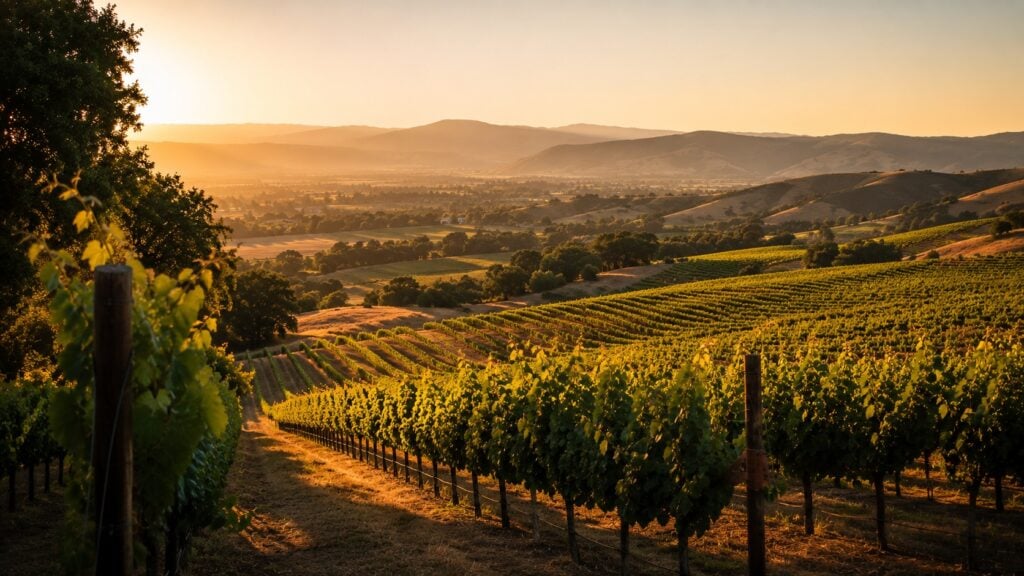
Today, Livermore remains one of the few regions in California where east-west valleys align, allowing cool Pacific breezes to naturally flow through the vineyards. This geological setup isn’t just convenient – it’s vital to wine quality.
4. Climate in Livermore Valley: Sunshine, Breeze, and Balance
Livermore’s climate is classified as Mediterranean, but its character is more complex than the label suggests.
- Hot Days: Ideal for ripening grapes and building rich flavor.
- Cool Nights: Retain acidity, essential for balance and aging potential.
- Consistent Winds: Dry out morning fog and reduce mold and mildew risks.
- Low Rainfall: Forces vines to grow deep roots, increasing flavor concentration.
Mitchell Katz uses this climate to craft wines that are bold yet balanced, allowing for structured reds like Zinfandel and elegant whites like Chardonnay to shine.
5. Soil Composition: The Mineral Blueprint of Mitchell Katz Wines
Soil may be underfoot, but it’s central to everything you taste. Livermore Valley boasts a mix of:
- Gravelly loam: Excellent drainage, encouraging deep root systems.
- Sand and clay: Promote complex flavors and textured tannins.
- Mineral-rich subsoils: Impart salinity and nuance, especially in whites.
Each Mitchell Katz vineyard is carefully selected for its soil compatibility with the grape varietal planted. For example, Cabernet thrives in the well-draining gravelly sites, while Merlot enjoys the slightly richer, loam-based soils.
6. Elevation and Microclimates: Subtle Shifts, Bold Flavors
Elevation changes and wind corridors across the Livermore Valley create microclimates, which Mitchell Katz leverages to produce expressive single-varietal wines.
- Lower valley sites warm faster and produce ripe, fruit-forward wines.
- Higher elevation blocks offer cooler temperatures and longer ripening periods, building more structure and complexity.
This range of conditions within a single region gives the winery a natural palette of flavor diversity, all while staying true to Livermore’s terroir.
7. Mitchell Katz Winery: Expressing Terroir Through Craft
Mitchell Katz Winery is not just located in Livermore – it is rooted in it. Founded in 1998, the winery has always championed 100% single-vineyard wines, allowing each wine to be a pure expression of place.
Unlike mass-produced blends, Mitchell Katz wines aren’t about volume – they’re about voice. Each vineyard lot is fermented separately, with minimal intervention, to preserve the character given by the land.
And it shows. Wines like the “El Sol Vineyard Cabernet” or “Ruby Hill Petite Sirah” are not just varietals; they are geographical experiences.
8. Tasting the Land: How Terroir Translates into Flavor
So how does Livermore Valley terroir show up in your glass?
- Cabernet Sauvignon: Rich blackberry and cherry, but with earthy undertones and refined tannins thanks to gravel-heavy soils.
- Petite Sirah: Dense, spicy, and dark – Livermore’s sunshine brings the fruit; its cool nights retain the acidity.
- Chardonnay: Crisp green apple and subtle minerality from sand-rich soils and cool nighttime air.
Each bottle invites you to taste the story of the land – and once you’ve tasted it, you can never untaste it.
9. Sustainable Practices That Preserve Terroir Integrity
Great terroir is a gift – but it’s also a responsibility. Mitchell Katz Winery employs sustainable farming practices to protect the land for future vintages:
- Minimal irrigation
- Organic pest control
- Cover cropping to restore soil nutrients
- Hand-harvesting to reduce vine stress
These methods ensure the terroir’s voice remains strong – and its expression in the wine stays authentic.
10. How to Taste Terroir in Your Next Mitchell Katz Glass
Want to taste Livermore Valley in your next pour? Here’s how:
- Start with a single-vineyard wine – like the Mitchell Katz “Zin Alley” Zinfandel.
- Serve at the right temperature – not too cold, not too warm.
- Smell before sipping – note the earth, the fruit, the spice.
- Sip slowly – and try to identify what makes it different from the same varietal grown elsewhere.
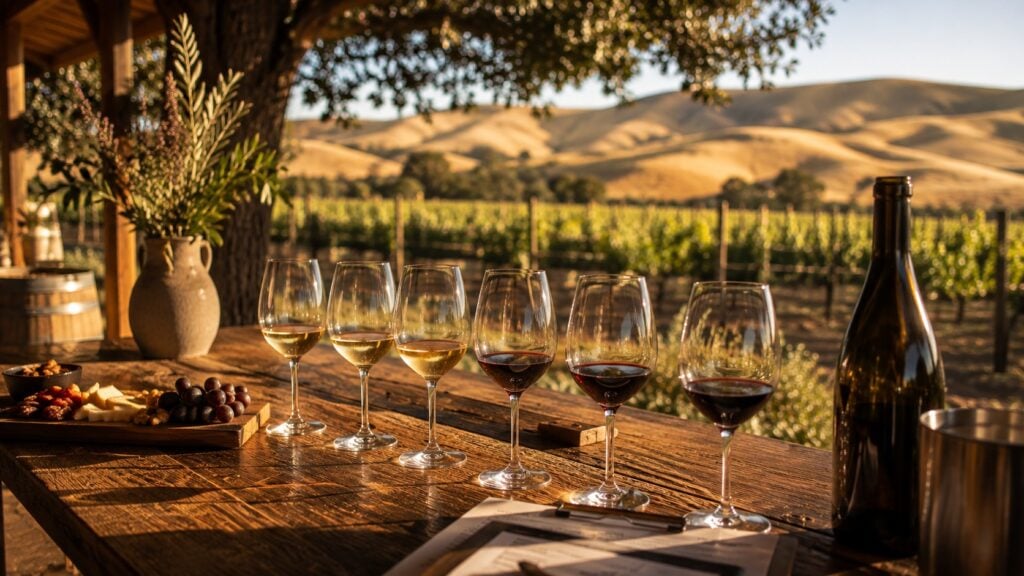
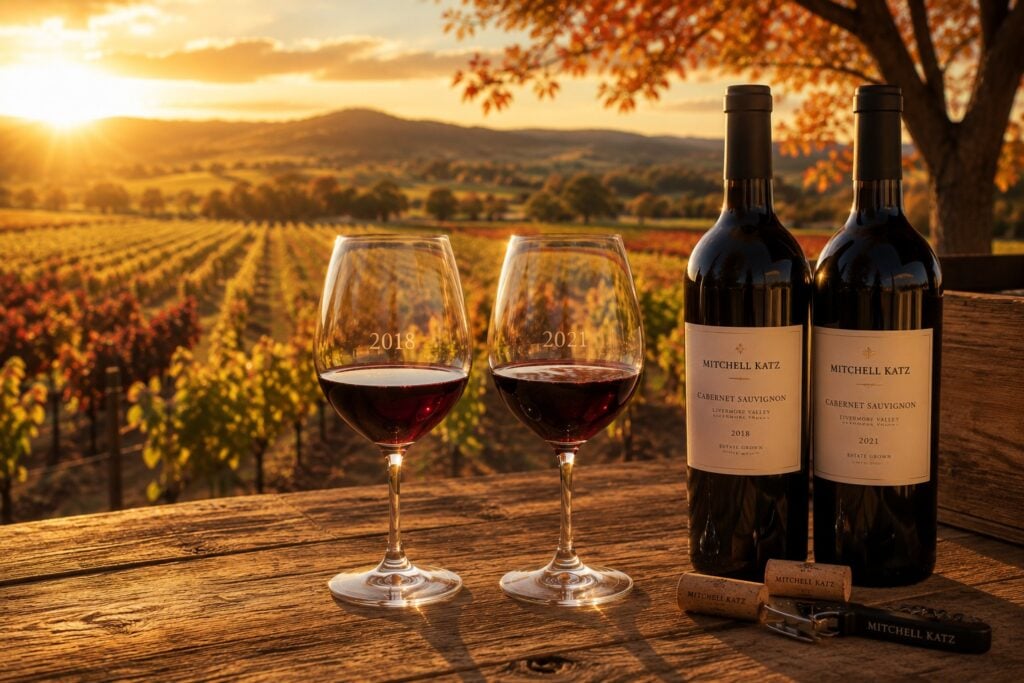
- Compare vintages – same vineyard, different year? You’ll taste how even seasonal shifts affect terroir.
Wine is more than chemistry. It’s agriculture, geography, and philosophy in a bottle.
11. Conclusion: Rooted in Livermore, Poured into Every Bottle
Every bottle of Mitchell Katz wine is a liquid love letter to Livermore Valley. From sun-drenched afternoons to mineral-rich soils, every natural factor shapes the soul of the wine.
In an age of global winemaking and commercial blends, Mitchell Katz stands apart by honoring what makes Livermore Valley sing – and bottling that harmony with every vintage.
Next time you raise a glass, know that you’re not just tasting grapes. You’re tasting the valley, the vineyard, and the vision of a winery committed to terroir truth.