What Does “Estate-Grown” Really Mean?
If you’ve ever stood in a tasting room swirling a glass and noticed the words estate grown on a bottle, you may have wondered: what does that actually mean?
In the simplest terms, estate-grown wine comes from grapes grown on land owned or controlled by the winery. The vineyard and winery must be in the same appellation, and the winemaking must happen on-site.
But the meaning goes deeper than geography.
An estate winery oversees every step of the process:
- Vineyard management
- Harvest timing
- Grape sorting
- Fermentation
- Aging
- Bottling
It’s the difference between cooking with ingredients you grew in your own garden versus buying them from multiple farms. Control creates consistency. Consistency creates character.
When people search for estate grown wine meaning, they’re often trying to understand whether it signals higher quality. The short answer? It can, but only when paired with intention and craftsmanship.
Estate-Bottled vs. Estate-Grown: Are They the Same?
The term “estate bottled” is federally regulated in the United States. To carry this designation, a wine must:
- Come from a single American Viticultural Area (AVA)
- Be produced and bottled at the winery
- Use grapes grown on land owned or controlled by the winery
Estate-grown is often used interchangeably with estate-bottled, though “estate bottled” has the stricter legal definition.
In practical terms, both suggest that the winery maintained direct oversight from vine to bottle. But consumers should always look deeper than the label. The real question isn’t just where the grapes came from, it’s how they were farmed and why they were chosen.
What Are Sourced Grapes?
Sourced grapes are purchased from independent growers rather than grown on land owned by the winery.
That might sound like a compromise, but it isn’t necessarily.
Some of the world’s most celebrated wines are made from sourced fruit. In fact, sourcing allows winemakers to:
- Access exceptional vineyard sites
- Work with rare or heritage varietals
- Adapt to vintage challenges
- Expand stylistic range
Think of it like a chef collaborating with specialty farmers for the best seasonal ingredients. Quality depends on relationship, standards, and vision and not ownership alone.
The key question becomes: does the winery carefully select and manage those vineyard partnerships?
How Grape Origin Impacts Wine Quality
Grape origin influences wine in three critical ways:
1. Vineyard Management Control
With estate vineyards, a winery can dictate irrigation practices, canopy management, pruning techniques, and harvest timing.
These decisions directly affect:
- Sugar development
- Acidity balance
- Tannin structure
- Aromatic intensity
When grapes are sourced, collaboration replaces control. The strength of that partnership determines quality outcomes.
2. Consistency Year After Year
Estate-grown wines often deliver stylistic consistency because vineyard practices remain steady.
Sourced grapes may introduce variation, but that variation can also create complexity and adaptability.
3. Expression of Terroir
Estate wines typically reflect a singular sense of place. Sourced wines may blend characteristics from multiple sites, creating layered profiles.
Neither approach is inherently superior. The impact depends on philosophy.
The Role of Terroir in Estate Wines
Terroir, the interplay of soil, climate, elevation, and human influence, is central to the estate winery definition.
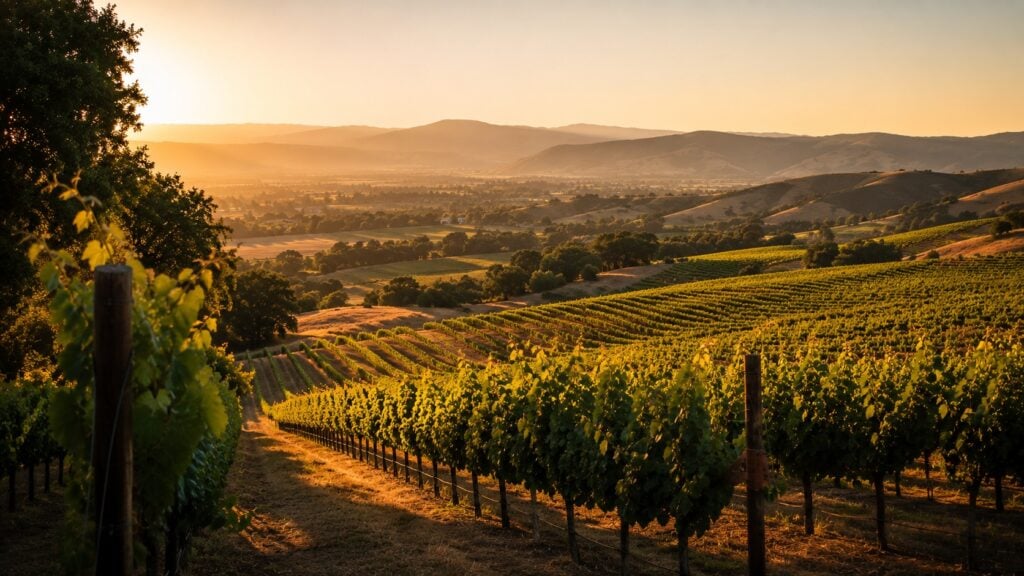
In Livermore Valley, warm days and cool nights create ideal conditions for structured reds and vibrant whites. Estate vineyards capture this microclimate consistently, allowing wines to express:
- Mineral nuances
- Balanced acidity
- Refined tannins
- Regional identity
When a winery farms its own vineyards, it can fine-tune every detail to highlight those characteristics.
Estate wines often feel cohesive, like a novel written by a single author rather than a collaborative anthology.
Flexibility and Creativity with Sourced Grapes
Now consider the advantages of sourcing.
A winery working with trusted growers can:
- Experiment with small-lot varietals
- Respond to climate shifts
- Highlight distinct vineyard blocks
- Blend across microclimates
This flexibility can enhance complexity and resilience.
For example, if one vineyard block underperforms in a hot year, sourcing from a cooler site can preserve balance.
Rather than being a shortcut, sourcing, when done carefully, becomes a strategic advantage.
Why Many Boutique Wineries Use Both
Small-production wineries often blend estate-grown and sourced grapes. Why?
Because quality wine is about precision, not purity.
An estate vineyard provides a foundational expression of place. Sourced grapes expand creative possibility.
Together, they allow winemakers to:
- Maintain house style
- Explore innovation
- Adapt to seasonal variability
- Deliver consistent excellence
It’s not an either-or equation. It’s a thoughtful balance.
Estate vs. Sourced in Livermore Valley
Livermore Valley’s diverse soils and microclimates make grape sourcing particularly meaningful.
Different elevations influence:
- Drainage
- Heat retention
- Wind exposure
An estate vineyard might showcase one microclimate beautifully. A carefully selected sourced vineyard might complement it with contrasting structure or aromatics.
This regional diversity is one reason Livermore Valley continues to gain recognition for its dynamic red blends and expressive varietals.
For wine lovers exploring a Livermore Valley estate winery, understanding sourcing strategy adds a new layer of appreciation.
How Mitchell Katz Winery Approaches Grape Sourcing
At Mitchell Katz Winery, quality begins with intention.
Rather than relying solely on one approach, the winery prioritizes:
- Vineyard partnerships built on trust
- Careful site selection within Livermore Valley
- Hands-on evaluation during harvest
- Small-lot production techniques
This approach allows the winemaking team to select fruit that aligns with stylistic goals rather than being limited by geography alone.
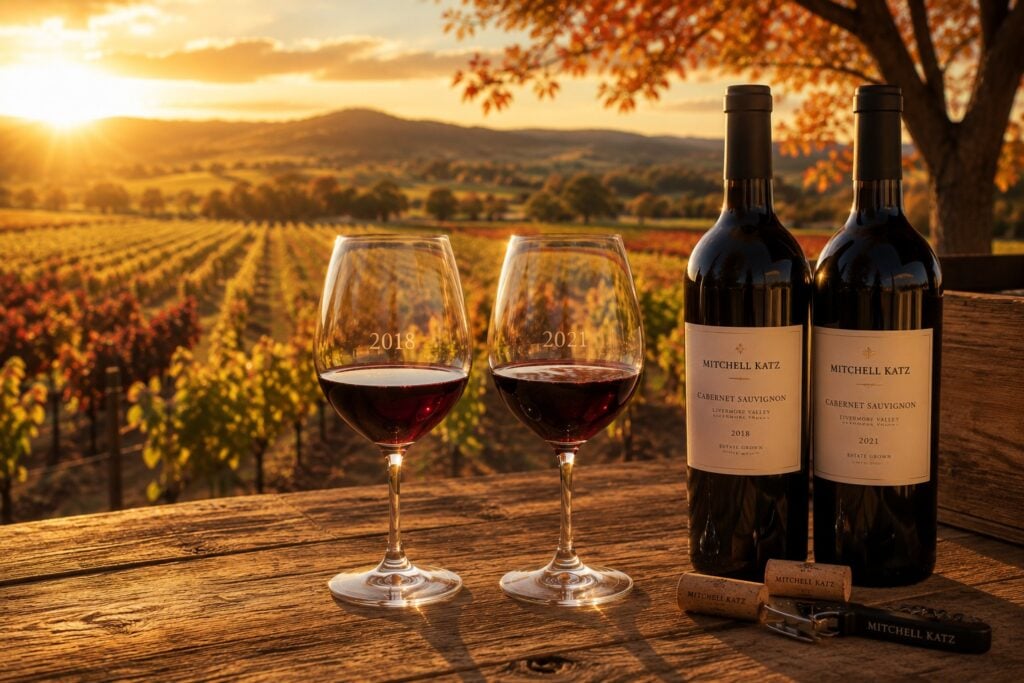
For example, when crafting structured Cabernet Sauvignon, vineyard site matters deeply such as soil composition, sun exposure, and water management all shape tannin profile and depth.
By choosing vineyards intentionally, Mitchell Katz Winery ensures each bottle reflects both regional character and refined craftsmanship.
What This Means for You as a Wine Lover
When choosing between estate-grown vs sourced grapes, ask yourself:
- Do you value a singular expression of place?
- Or do you enjoy layered complexity from multiple sites?
Estate wines often feel focused and terroir-driven. Sourced wines can feel expansive and nuanced.
But here’s the deeper truth: quality is about care.
A poorly farmed estate vineyard won’t outperform thoughtfully sourced fruit. Likewise, indiscriminate sourcing won’t match the integrity of estate oversight.
The best wines, estate or sourced, share three traits:
- Intentional farming
- Skilled winemaking
- Transparent philosophy
Understanding this empowers you to look beyond marketing language and focus on substance.
How to Identify Estate Wines on a Label
If you’re browsing bottles, here’s what to look for:
- “Estate Bottled” (regulated term)
- AVA designation
- Winery address matching vineyard location
- Detailed vineyard information
If the label doesn’t specify estate, don’t assume lower quality. Instead, research the winery’s sourcing practices.
Transparency is often the strongest indicator of integrity.
Transparency, Trust, and the Modern Wine Consumer
Today’s wine drinker is more informed than ever. A growing number of consumers actively research terms like estate grown wine meaning before making a purchase. They want clarity, authenticity, and connection to the story behind the bottle.
Transparency has become a hallmark of premium wineries. When a winery openly communicates whether grapes are estate-grown or sourced and explains why it builds trust. That trust translates into loyalty.
Estate-grown wines often appeal to consumers seeking a direct farm-to-bottle narrative. There’s romance in knowing the winery controls the land, nurtures the vines, and shepherds the fruit from bud break to bottling. It feels intimate and rooted.
On the other hand, thoughtful sourcing can signal discernment. It shows the winemaker is willing to seek out exceptional vineyard sites rather than rely solely on convenience. When partnerships are long-term and vineyard standards are high, sourced fruit can elevate quality rather than dilute it.
Ultimately, modern wine appreciation goes beyond labels. It’s about understanding intention, philosophy, and craft and choosing wines that align with your values as well as your palate.
Quality Is About Intention
The debate around estate-grown vs sourced grapes often oversimplifies wine.
Ownership does not equal excellence.
Partnership does not equal compromise.
What matters most is:
- Vineyard selection
- Farming precision
- Harvest timing
- Winemaking philosophy
At its best, estate-grown wine tells a focused story of place.
At its best, sourced wine tells a curated story of collaboration.
Both can result in exceptional bottles.
When you next raise a glass from Mitchell Katz Winery, you’re tasting not just grapes, but decisions. Decisions about site, soil, partnership, and craft.
And those decisions are what ultimately shape quality.
FAQs
What does estate-grown wine mean?
Estate-grown wine comes from grapes grown on land owned or controlled by the winery and produced within the same AVA.
Is estate-bottled better than sourced wine?
Not necessarily. Quality depends on vineyard management, grape selection, and winemaking skill — not ownership alone.
How do sourced grapes affect wine flavor?
Sourced grapes can add complexity by incorporating fruit from multiple vineyard sites with different soil and climate conditions.
Does estate-grown guarantee higher quality?
Estate-grown ensures control, but quality ultimately depends on farming practices and craftsmanship.
Why do wineries source grapes instead of growing their own?
Sourcing allows access to exceptional vineyard sites, rare varietals, and flexibility in responding to vintage conditions.