A great wine tasting experience isn’t just about sipping different wines, it’s about stepping into a story.
It’s the moment you realize wine isn’t just a drink. It’s a craft shaped by land, climate, time, and human touch. For first-time visitors, that realization can be either magical… or confusing.
The difference comes down to one thing: understanding what’s happening in your glass.
Whether you’re visiting a local winery or planning a weekend escape to Livermore Valley, knowing what to expect transforms your experience from intimidating to unforgettable.
What Is a Wine Tasting Experience?
At its core, a wine tasting experience is a guided journey through different wines, designed to help you:
- Discover new flavors
- Understand wine characteristics
- Compare styles and varietals
- Learn how wine is made
But the best tastings go beyond that.
They engage your senses, spark curiosity, and create a relaxed environment where you can explore without pressure. Think of it less like a test and more like a conversation between you and the wine.
What to Expect When You Arrive at a Winery
Your experience begins before the first pour.
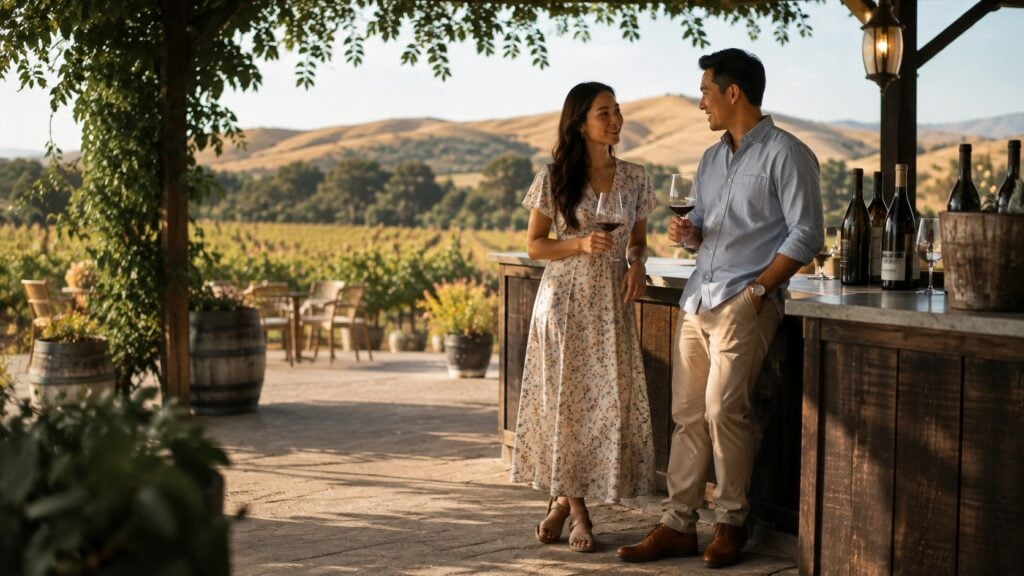
When you arrive at a winery like Mitchell Katz’s, you’ll typically be greeted by a host who will guide you through the tasting process.
Here’s what usually happens:
- You’ll check in for your tasting reservation
- You’ll be seated at a bar, table, or outdoor patio
- A tasting menu will be introduced
- A wine educator or host will guide you through each pour
The atmosphere matters more than you might expect. A welcoming environment helps first-time visitors feel comfortable asking questions and exploring at their own pace.
Understanding the Wine Tasting Process (Step-by-Step)
Wine tasting follows a deliberate structure designed to help you fully experience each wine.
Step 1: Observation
You’ll start by looking at the wine’s color and clarity.
Step 2: Aroma
Next, you’ll smell the wine to identify its aromas.
Step 3: Taste
Then comes the sip where flavor, texture, and balance come together.
Step 4: Finish
Finally, you’ll notice how long the flavor lingers after swallowing.
Each step builds on the last, helping you understand not just what you like, but why you like it.
The Five S’s of Wine Tasting Explained
See
Look at the wine’s color, depth, and viscosity. A deeper color often suggests a fuller-bodied wine.
Swirl
Swirling releases aromas by introducing oxygen. It may feel fancy, but it’s functional.
Smell
This is where wine comes alive. You might detect fruits, spices, oak, or floral notes.
Sip
Take a small sip and let it coat your palate.
Savor
Notice the finish, does it linger or fade quickly?
Wine Tasting Etiquette: Do’s and Don’ts
A great wine tasting experience is also about respect for the wine, the space, and others around you.
Do:
- Ask questions, there are no wrong ones
- Take your time
- Stay hydrated
Don’t:
- Wear strong perfumes (they interfere with aromas)
- Rush through tastings
- Feel pressured to like every wine
Common Mistakes First-Time Visitors Make
Many beginners make the same avoidable mistakes:
- Trying to memorize tasting notes instead of enjoying the moment
- Comparing themselves to “experts”
- Skipping the aroma step
- Drinking too quickly
The truth? There’s no “perfect” way to taste wine. The goal is discovery, not performance.
How to Choose the Right Wine Tasting Experience
Not all tastings are created equal.
Look for:
- Guided tastings with knowledgeable hosts
- A relaxed, welcoming atmosphere
- A curated selection of wines
- Opportunities to ask questions
This is where choosing the right winery makes all the difference.
Making the Most of Your Visit
To elevate your experience:
- Visit earlier in the day when your palate is fresh
- Eat beforehand or pair with food
- Take notes or photos of wines you enjoy
- Bring friends to share the experience
Wine is inherently social, it’s meant to be shared.
Why Mitchell Katz Winery Is Perfect for First-Time Wine Tasters
For first-time visitors, the environment can make or break the experience.
At Mitchell Katz Winery, the focus is on approachability without sacrificing quality. The tasting experience is designed to be:
- Educational without being overwhelming
- Relaxed, not rushed
- Personalized to your preferences
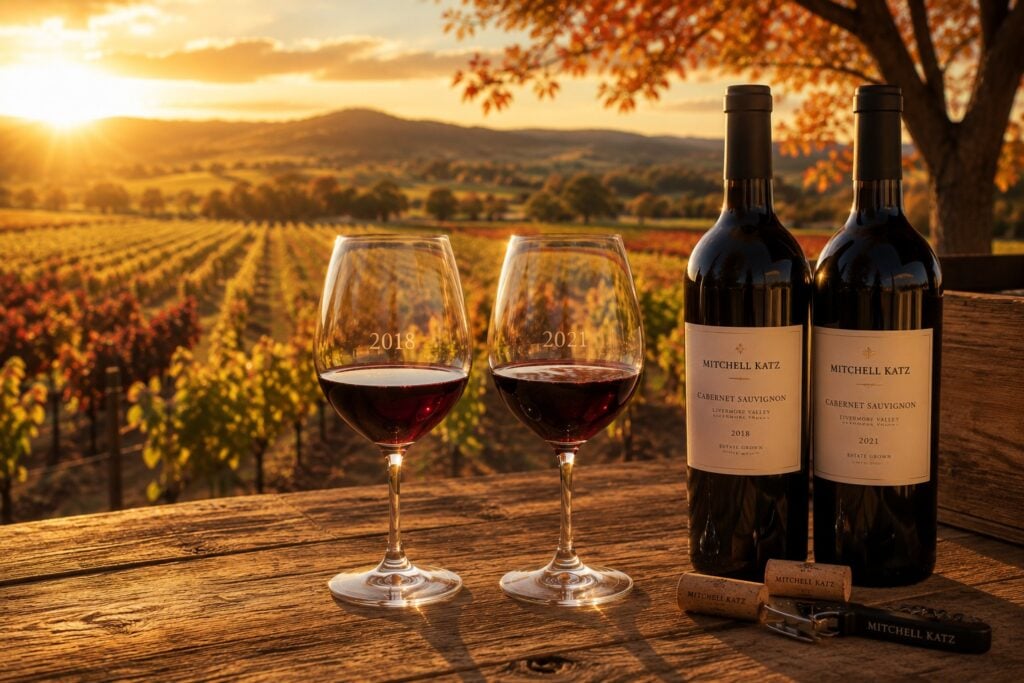
Located in the heart of Livermore Valley, it offers a balance of tradition and accessibility, making it an ideal starting point for anyone new to wine tasting.
How Wine Tasting Differs by Region
Not all wine tasting experiences are created equal and much of that comes down to geography.
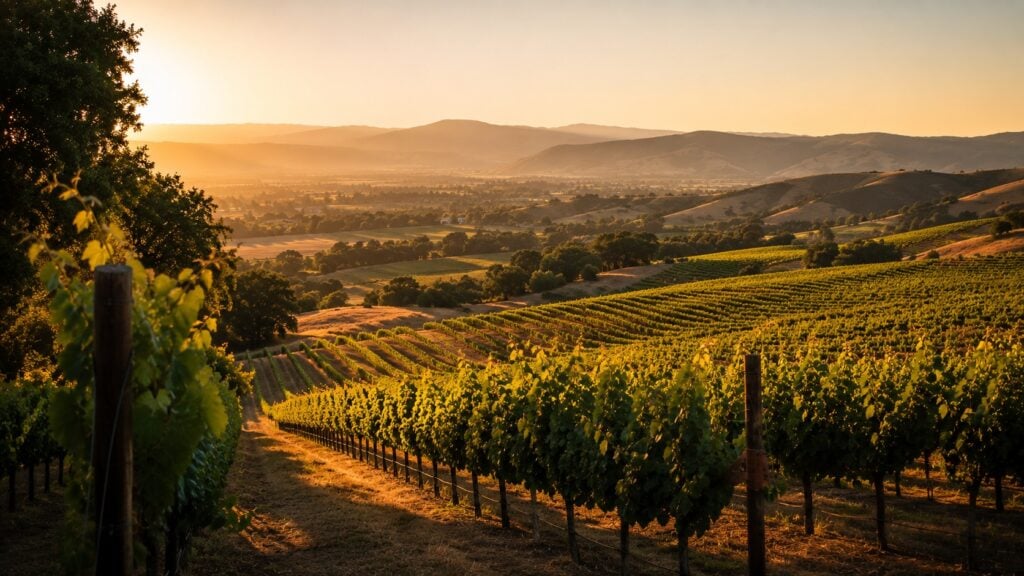
Each wine region has its own personality, shaped by climate, soil, and tradition. For example, Livermore Valley offers a more relaxed and approachable alternative to more commercialized regions, making it ideal for first-time visitors.
Cooler climates tend to produce wines with higher acidity and subtle flavors, while warmer regions often yield bolder, fruit-forward wines. Understanding this helps you set expectations before you even take your first sip.
Understanding Wine Tasting Menus
A tasting menu is your roadmap.
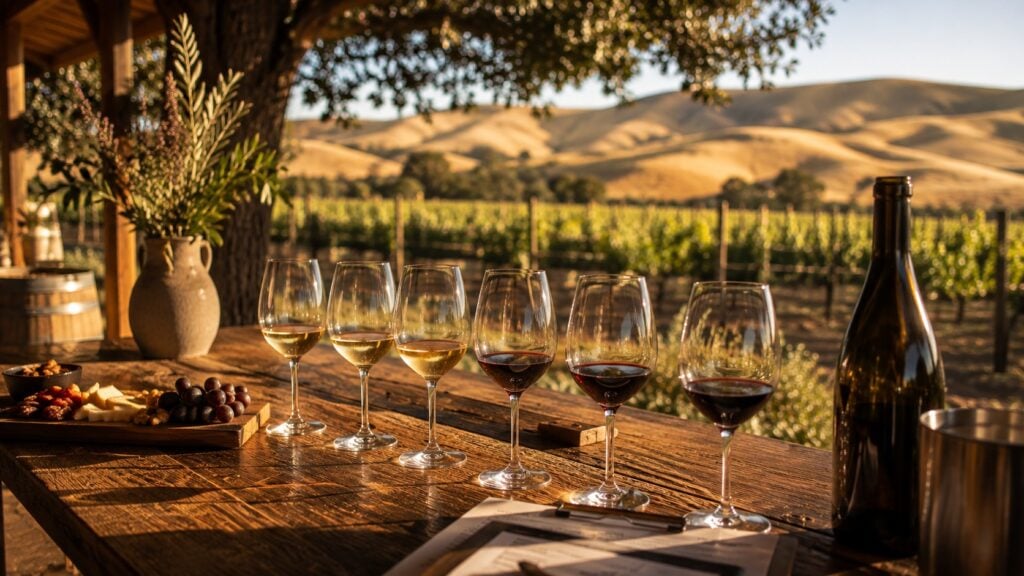
Typically, wines are arranged in a progression, from lighter to heavier. You might start with whites, move into rosés, and finish with reds.
Pay attention to:
- The order of wines
- The varietals listed
- Any tasting notes provided
These details guide your experience and help you understand how each wine fits into the bigger picture.
The Role of the Tasting Host
Your host isn’t just pouring wine, they’re shaping your entire experience.
A great host will:
- Read your preferences
- Adjust their explanations to your level
- Encourage questions
- Share stories behind each wine
Think of them as a translator between you and the winemaker’s intent.
How Your Senses Influence Taste
Wine tasting is a full sensory experience.
In fact, much of what you “taste” actually comes from smell. That’s why aroma plays such a critical role in identifying flavors.
Your environment also matters:
- Background smells
- Temperature
- Even lighting
All of these can subtly influence how you perceive a wine.
Tasting Notes vs. Personal Preference
One of the biggest misconceptions is that tasting notes are rules.
They’re not.
If a wine is described as having “blackberry and tobacco notes,” that doesn’t mean you must taste those exact things. Your experience is personal and that’s what makes wine interesting.
Trust your palate.
Group vs. Solo Wine Tastings
Your experience can vary dramatically depending on who you go with.
- Group tastings are social and energetic
- Solo tastings are more reflective and educational
- Couples tastings can feel intimate and relaxed
There’s no right choice, just different vibes.
Seasonal Differences in Wine Tasting
The time of year can completely change your experience.
- Spring: Fresh, vibrant wines and blooming vineyards
- Summer: Lively atmosphere, perfect for outdoor tastings
- Fall: Harvest season, arguably the most exciting time
- Winter: Quiet, cozy, and more personal
Each season offers a unique perspective on the same winery.
How to Build Your Wine Confidence Over Time
Confidence doesn’t come from memorizing wine terms.
It comes from repetition.
The more you taste:
- The more patterns you recognize
- The easier it becomes to describe flavors
- The more confident your preferences become
Wine is a journey, not a destination.
Turning Wine Tasting Into a Hobby
For many people, one tasting leads to something more.
You might start:
- Keeping a wine journal
- Hosting tastings at home
- Exploring different regions
- Joining a wine club
Before you know it, wine becomes part of your lifestyle.
Final Expert Tips for First-Time Wine Tasters
To wrap it all together:
- Don’t overthink it
- Focus on what you enjoy
- Ask questions freely
- Take your time
- Stay curious
Because at the end of the day, the best wine tasting experience is the one you enjoy the most.
Final Thoughts: Turning a Tasting into a Lasting Memory
A great wine tasting experience isn’t about having the most refined palate.
It’s about being present.
It’s about noticing the subtle differences between wines, sharing reactions with friends, and discovering something new about your preferences.
Once you understand the process, wine tasting becomes less intimidating and far more enjoyable.
And that’s when it transforms from a simple activity into something memorable.
FAQs
What should I expect at my first wine tasting?
You can expect a guided experience where you sample several wines while learning about their flavors, aromas, and production.
How long does a wine tasting take?
Most tastings last between 45 minutes to 1.5 hours.
Do I have to finish every glass?
No—spitting or leaving wine in your glass is completely acceptable.
What should I wear to a wine tasting?
Smart casual attire is typically appropriate. Avoid strong fragrances.