Wine tasting isn’t just about sipping, it’s about experiencing a story in every glass. From the vineyard rows to the barrel room, every step reflects craftsmanship, patience, and intention.
But here’s the reality:
Even the best wine can feel underwhelming if the experience around it is awkward, rushed, or uncomfortable.
That’s where wine tasting etiquette comes in.
Think of it as your backstage pass. When you understand the rhythm, the unspoken rules, and the small details, everything shifts, you become more confident, more present, and far more appreciative of what’s in your glass.
And in a place like Livermore Valley, where wine culture is both refined and welcoming, etiquette isn’t about being formal, it’s about enhancing the experience for yourself and everyone around you.
What to Expect at a Livermore Valley Winery
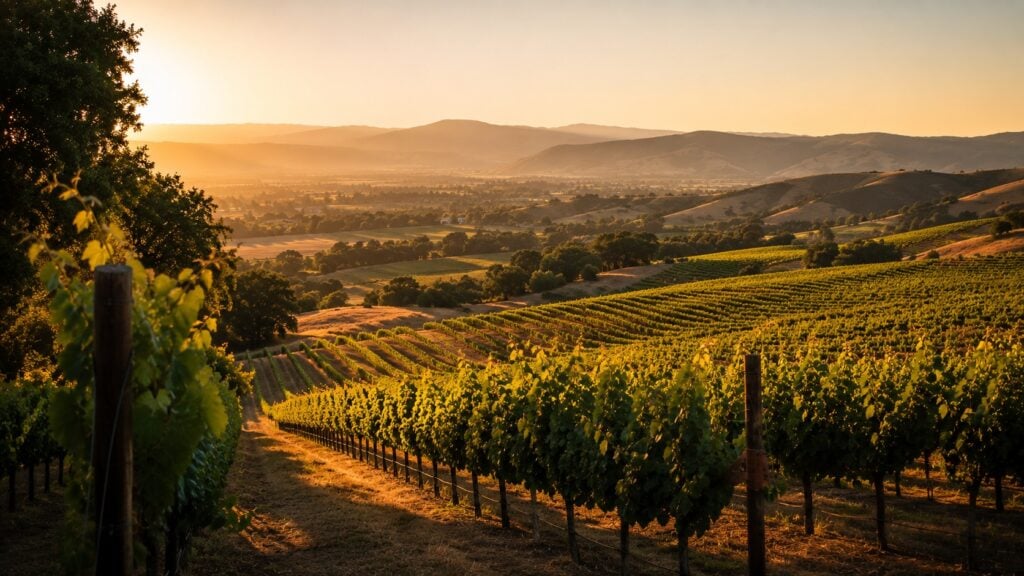
Livermore Valley offers something unique compared to more commercial wine regions. It blends approachability with depth, making it perfect for both beginners and seasoned wine lovers.
When you arrive, expect:
- A warm, relaxed atmosphere
- Knowledgeable staff ready to guide you
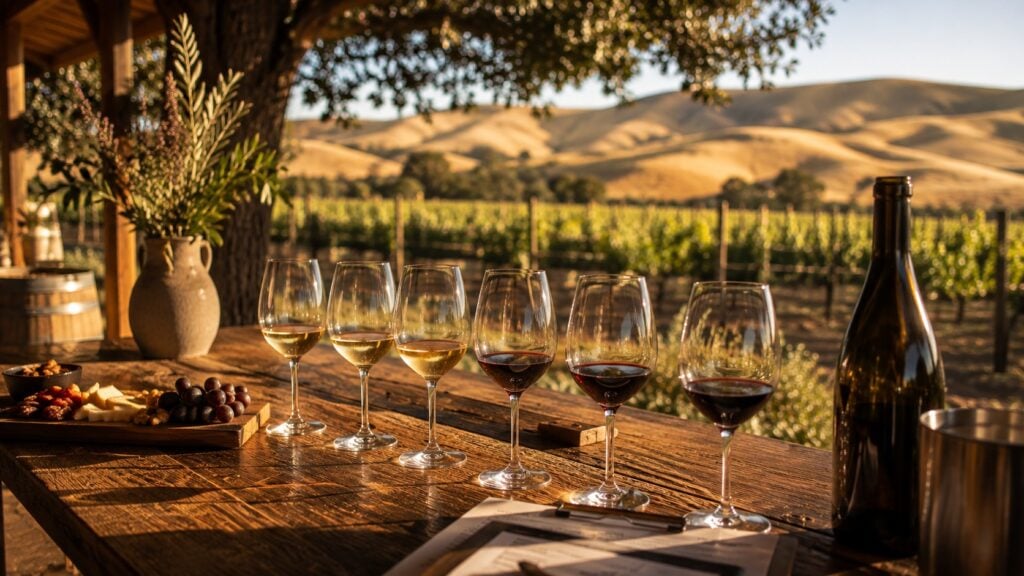
- Curated tasting flights featuring multiple wines
- A pace that encourages you to slow down and savor
Unlike crowded tourist-heavy regions, Livermore gives you room to engage, ask questions, and truly explore.
The Essential Do’s of Wine Tasting Etiquette
1. Do Arrive on Time (or Slightly Early)
Punctuality shows respect, not just for the winery, but for the experience itself. Tastings are often structured, and arriving late can disrupt the flow.
2. Do Ask Questions
There are no “dumb” questions in wine tasting.
In fact, asking:
- “What makes this wine unique?”
- “How should I pair this?”
…often leads to deeper insights and a more memorable experience.
3. Do Hold Your Glass Properly
Always hold the glass by the stem and not the bowl.
Why?
Because your hand can warm the wine, altering its aroma and taste.
4. Do Pace Yourself
Wine tasting is a marathon, not a sprint.
Take small sips, pause between wines, and allow your palate to reset. This helps you actually distinguish flavors instead of blending them together.
5. Do Use the Spit Bucket (If Needed)
It might feel awkward at first, but it’s completely normal, especially if you’re visiting multiple wineries.
Professionals do it all the time.
6. Do Be Open-Minded
You might discover a wine you never expected to enjoy. Stay curious and avoid dismissing something too quickly.
The Critical Don’ts You Should Avoid
1. Don’t Wear Strong Perfume or Cologne
Fragrance interferes with one of the most important parts of wine tasting: aroma.
Even a subtle scent can affect not only your experience but others around you.
2. Don’t Overindulge
Wine tasting is about appreciation and not consumption.
Know your limits. Slowing down actually enhances your ability to enjoy each pour.
3. Don’t Rush Through the Tasting
Each wine has a story. Skipping ahead or rushing through pours means missing the nuances that make the experience worthwhile.
4. Don’t Be Disrespectful to Staff
Even if a wine isn’t to your taste, avoid dismissive comments. A simple “this one isn’t for me” is perfectly acceptable.
5. Don’t Bring Outside Food (Unless Allowed)
Some wineries have strict policies. Always check ahead.
How to Taste Wine Like a Pro (Without Feeling Intimidated)
Wine tasting follows a simple, repeatable process:
Step 1: Look
Observe the color and clarity.
Step 2: Swirl
This releases aromas.
Step 3: Smell
Take a moment to identify scents such as fruit, spice, oak, floral notes.
Step 4: Sip
Let the wine coat your palate.
Step 5: Savor
Notice the finish, does the flavor linger or fade quickly?
The goal isn’t to be perfect, it’s to be present and observant.
Understanding the Pace of a Tasting Experience
A well-designed tasting has a rhythm:
- Light wines first
- Fuller-bodied wines later
- Sweet wines last
Respecting this order helps your palate adjust naturally.
Trying to jump ahead or mix the sequence can dull your ability to appreciate each wine.
Social Etiquette: Interacting with Staff and Other Guests
Wine tasting is a shared experience.
With Staff:
- Be engaged, but not demanding
- Listen actively
- Show appreciation for their expertise
With Other Guests:
- Be mindful of space
- Avoid dominating the conversation
- Keep noise levels respectful
A great atmosphere enhances everyone’s experience.
Dressing for the Occasion: Style Meets Practicality
Wine tasting is casual but thoughtful.
What works best:
- Comfortable, stylish clothing
- Layers (temperature can vary)
- Closed-toe shoes for vineyard walks
What to avoid:
- Strong fragrances
- Overly formal attire
- Anything uncomfortable, you’ll be standing and moving around
Planning Ahead: Reservations, Timing, and Group Visits
Reservations Matter
Many wineries prefer or require bookings. Planning ahead ensures:
- Better service
- A more personalized experience
Timing Is Everything
Morning to early afternoon tastings tend to be:
- Less crowded
- More relaxed
- More engaging
Group Etiquette
If you’re visiting with friends:
- Keep the group organized
- Avoid splitting attention
- Respect shared spaces
Elevating Your Experience: Small Details That Make a Big Difference
Want to go from a good visit to an unforgettable one?
Try this:
- Take notes on wines you enjoy
- Ask about vineyard stories
- Revisit a favorite wine at the end
These small actions deepen your connection to the experience.
Common Mistakes First-Time Visitors Make
- Treating it like a bar instead of an experience
- Skipping water between tastings
- Ignoring the order of wines
- Feeling intimidated and staying silent
The truth? Everyone starts somewhere. Confidence comes from participation.
Wine Tasting Etiquette for Couples: Sharing the Experience Without Distraction
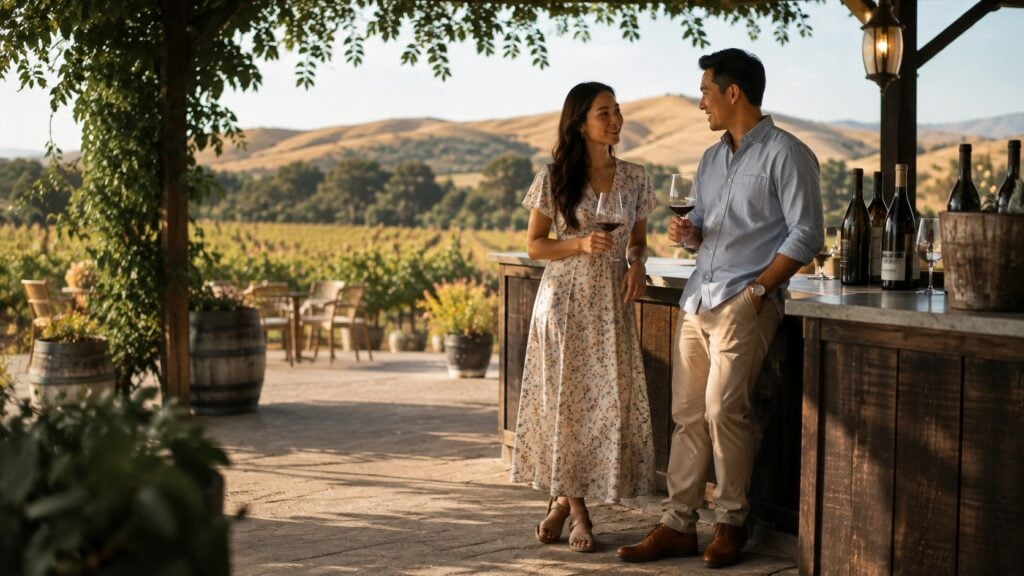
Wine tasting as a couple can feel romantic, immersive, and memorable, but it can also become distracting if not approached thoughtfully.
The key is balance.
Instead of focusing solely on each other, treat the experience as something you’re sharing together, not separating from. Engage with the wines first, then compare impressions. You’ll often discover how differently each of you perceives the same glass and that contrast becomes part of the experience.
A simple technique: after each pour, take a quiet moment to taste individually before discussing. This prevents one person’s opinion from influencing the other’s perception too early.
Avoid turning the tasting into a private bubble. Stay aware of your surroundings, the staff, and other guests. Subtle awareness elevates not just your experience, but everyone else’s.
Wine tasting, at its best, becomes a conversation, not just between you and your partner, but between you, the wine, and the environment.
Group Wine Tasting Etiquette: Dos and Dynamics
Group tastings can be incredibly fun but they’re also where etiquette matters most.
The biggest mistake? Treating it like a party bus stop.
Instead, approach it with structure:
- Appoint someone to manage timing and reservations
- Keep the group moving together
- Avoid splitting attention across multiple conversations
Large groups can easily overwhelm a tasting room. Being mindful of volume, space, and pacing ensures a smoother experience.
Another overlooked detail: ordering.
If tastings are pre-selected, go with the flow. If choices are available, avoid creating bottlenecks by having everyone decide individually at the counter.
The best group experiences feel coordinated and not chaotic.
Tasting Room vs. Vineyard Experience: What Changes
Not all wine tastings are created equal.
Tasting Room
- More structured
- Faster-paced
- Focused on multiple wines
Vineyard Experience
- Slower, more immersive
- Often includes storytelling, walks, or deeper education
- Emphasizes connection to the land
Etiquette shifts slightly depending on the setting.
In a tasting room, efficiency matters. In a vineyard, presence matters more than pace.
Adjusting your behavior to match the environment shows awareness and enhances your experience significantly.
How to Handle a Wine You Don’t Like (Gracefully)
Not every wine will resonate with your palate and that’s completely normal.
What matters is how you respond.
Avoid blunt statements like:
- “This is bad”
- “I hate this”
Instead, try:
- “This one isn’t quite my style”
- “I usually prefer something a bit lighter/bolder”
This keeps the interaction respectful while still being honest.
Remember: wine is subjective. What doesn’t work for you might be someone else’s favorite.
Graceful communication maintains the tone of the experience.
The Psychology of Taste: Why Wine Preferences Differ
Ever wondered why one person loves a wine that another dislikes?
It comes down to a mix of:
- Genetics
- Past experiences
- Sensory sensitivity
- Emotional associations
For example, someone more sensitive to bitterness may find certain reds overwhelming, while others find them complex and enjoyable.
Understanding this removes the pressure to “agree” with others.
Wine tasting isn’t about being right, it’s about being aware of your own preferences.
Final Thoughts: Turning a Good Visit into an Unforgettable One
Wine tasting etiquette isn’t about rigid rules, it’s about enhancing awareness, respect, and enjoyment.
When you understand the flow, engage with intention, and stay present, something shifts.
You’re no longer just tasting wine, you’re experiencing:
- The land
- The craft
- The story behind every bottle
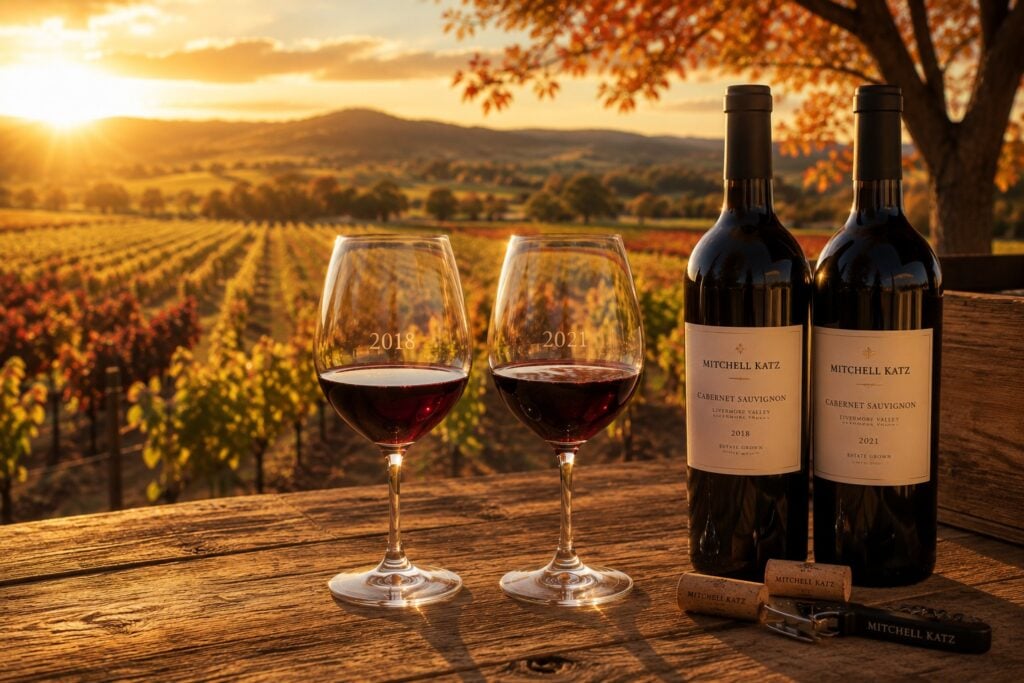
And in Livermore Valley, that experience is something truly special.
FAQs
What is proper wine tasting etiquette?
Proper wine tasting etiquette includes pacing yourself, asking questions, avoiding strong scents, and respecting the tasting environment.
Is it okay to spit out wine during a tasting?
Yes, it’s completely normal and helps maintain clarity when tasting multiple wines.
What should I wear to a wine tasting?
Comfortable, stylish clothing without strong fragrances is ideal.
How long does a wine tasting usually last?
Most tastings last between 45 minutes to 90 minutes.
Do I need a reservation for wine tasting in Livermore Valley?
Many wineries recommend or require reservations, especially on weekends.