Wine is more than a beverage, it’s a story of place, culture, and craftsmanship. And nowhere is that story more evident than in the distinction between Old World and New World wines.
For centuries, European regions like France, Italy, and Spain defined what wine should taste like. But over time, countries like the United States, Australia, and Chile began crafting wines with a different philosophy, one that embraces innovation, bold flavors, and modern techniques.
Today, this contrast shapes how we understand wine. And in the heart of California, Mitchell Katz Winery offers a compelling example of how New World winemaking can honor tradition while pushing boundaries.
What Are Old World Wines?
Old World wines come from the historic wine-producing regions of Europe. Think:
- France
- Italy
- Spain
- Germany
These wines are deeply rooted in tradition. Winemakers often follow strict regulations that dictate everything from grape varieties to production methods.
Key Characteristics:
- Earth-driven flavors
- Higher acidity
- Lower alcohol levels
- Subtle, restrained profiles
- Strong emphasis on terroir
In Old World philosophy, the vineyard speaks first and the winemaker simply guides the process.
What Are New World Wines?
New World wines originate from regions outside Europe, including:
- United States (especially California)
- Australia
- Chile
- Argentina
- South Africa
These wines reflect a more experimental and expressive approach to winemaking.
Key Characteristics:
- Fruit-forward flavors
- Higher alcohol content
- Fuller body
- Consistent quality
- Winemaker-driven style
Here, innovation thrives. Winemakers have more freedom to shape flavor, structure, and style.
Key Differences Between Old World and New World Wines
| Feature | Old World Wines | New World Wines |
|---|---|---|
| Philosophy | Tradition | Innovation |
| Flavor Profile | Earthy, subtle | Bold, fruit-forward |
| Alcohol | Lower | Higher |
| Labeling | Region-focused | Grape-focused |
| Climate Influence | Cooler climates | Warmer climates |
| Winemaking | Regulated | Flexible |
This table provides a snapshot but the real magic lies in tasting the difference.
The Role of Terroir vs. Technique
“Terroir” refers to the environmental factors, soil, climate, topography, that influence a wine’s character.
Old World wines emphasize terroir above all else. In contrast, New World wines balance terroir with human craftsmanship.
At Mitchell Katz Winery, this balance is key. The winery respects Livermore Valley’s natural conditions while using modern techniques to enhance expression and consistency.
Flavor Profiles: Tradition vs. Innovation
Imagine tasting two Cabernet Sauvignons:
- A French Bordeaux might offer notes of graphite, tobacco, and subtle dark fruit.
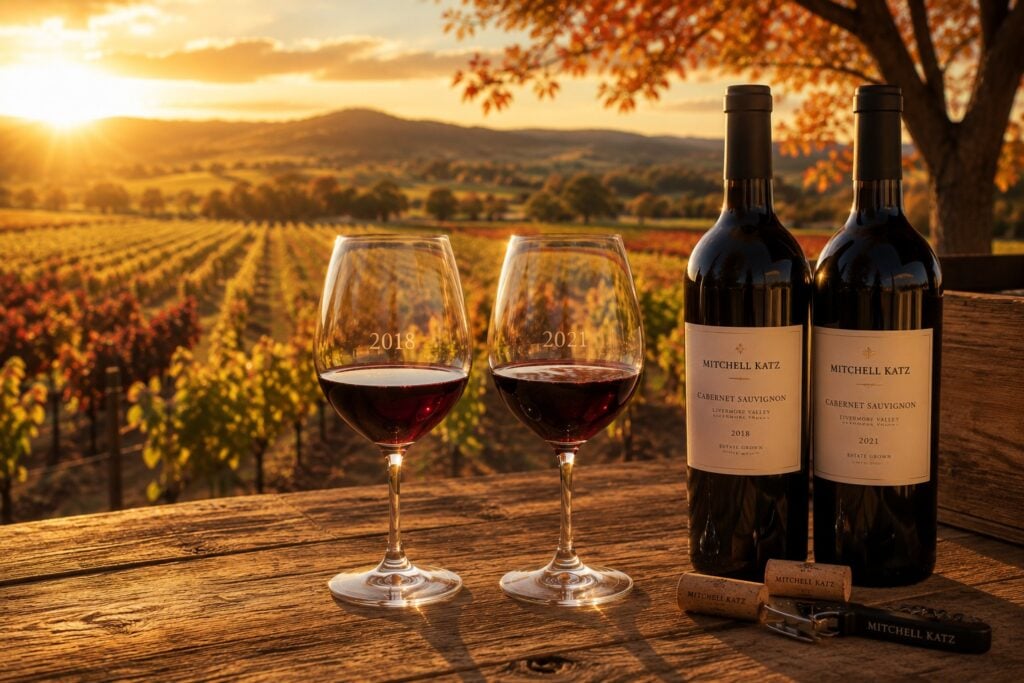
- A California Cabernet, like those crafted at Mitchell Katz, delivers ripe blackberry, plum, and hints of oak spice.
Neither is better. They simply tell different stories.
Where Does California Fit In?
California sits at the heart of the New World wine movement. Its diverse climates and soils allow for incredible versatility.
Regions like Napa and Sonoma get most of the spotlight, but Livermore Valley is quietly producing exceptional wines with a distinct identity.
Why Livermore Valley Is a Hidden Gem in New World Winemaking
Livermore Valley combines:
- Warm days
- Cool nights
- Coastal influences
This creates ideal conditions for balanced, expressive wines.
Unlike more commercialized regions, Livermore retains a sense of authenticity and craftsmanship, making it a perfect home for wineries like Mitchell Katz.
What Makes Mitchell Katz Winery Stand Out
Mitchell Katz Winery embodies the best of New World winemaking:
- A commitment to quality
- A willingness to innovate
- A respect for tradition
Their wines highlight the richness of California fruit while maintaining structure and elegance.
This balance sets them apart, not just locally, but globally.
Comparing Classic Varietals: Old World vs. Mitchell Katz Expressions
Cabernet Sauvignon
- Old World: Structured, earthy
- Mitchell Katz: Bold, fruit-forward, layered
Merlot
- Old World: Herbaceous, restrained
- Mitchell Katz: Plush, smooth, approachable
Chardonnay
- Old World: Mineral-driven, crisp
- Mitchell Katz: Rich, balanced, subtly oaked
These comparisons make the differences tangible and delicious.
How to Taste the Difference Yourself
To truly understand Old vs New World wines:
- Taste side-by-side
- Pay attention to aroma, body, and finish
- Notice fruit intensity vs earthiness
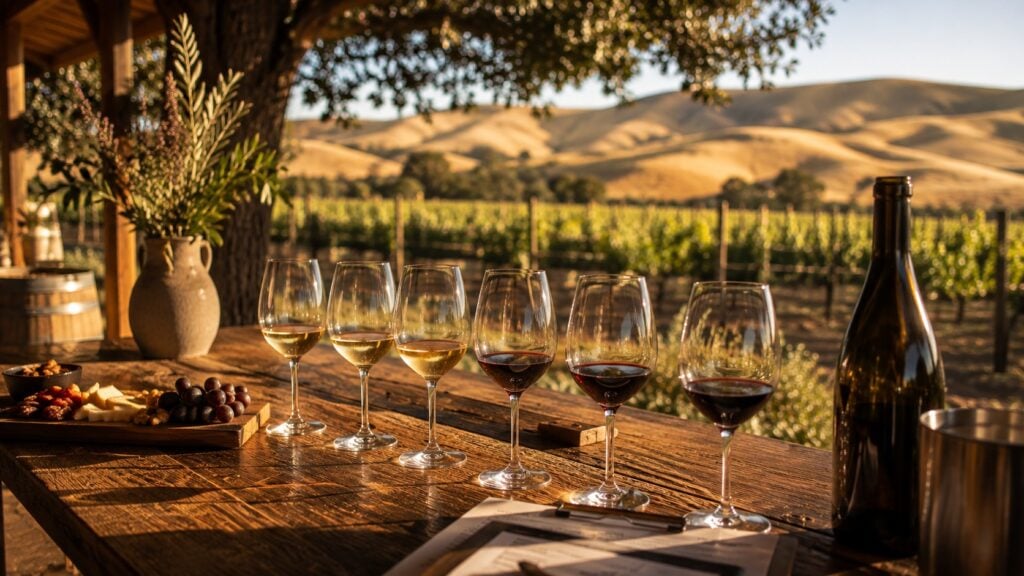
Wine tasting is experiential and your palate is the ultimate guide.
Choosing the Right Style for Your Palate
If you prefer:
- Subtle, complex wines → Old World
- Bold, fruit-driven wines → New World
But don’t limit yourself. The best wine is the one you enjoy.
How Climate Change Is Reshaping Old World and New World Wines
The traditional divide between Old World and New World wines is becoming less rigid and climate change is a major reason why.
Historically, Old World regions like Bordeaux and Burgundy were known for cooler climates that produced wines with higher acidity and lower alcohol. But rising global temperatures are shifting that balance. Grapes are ripening faster, leading to fuller-bodied wines with more pronounced fruit characteristics, traits once associated primarily with New World wines.
Meanwhile, New World regions like California are adapting in the opposite direction. Winemakers are seeking cooler vineyard sites, adjusting harvest times, and experimenting with drought-resistant grape varieties to maintain balance and structure.
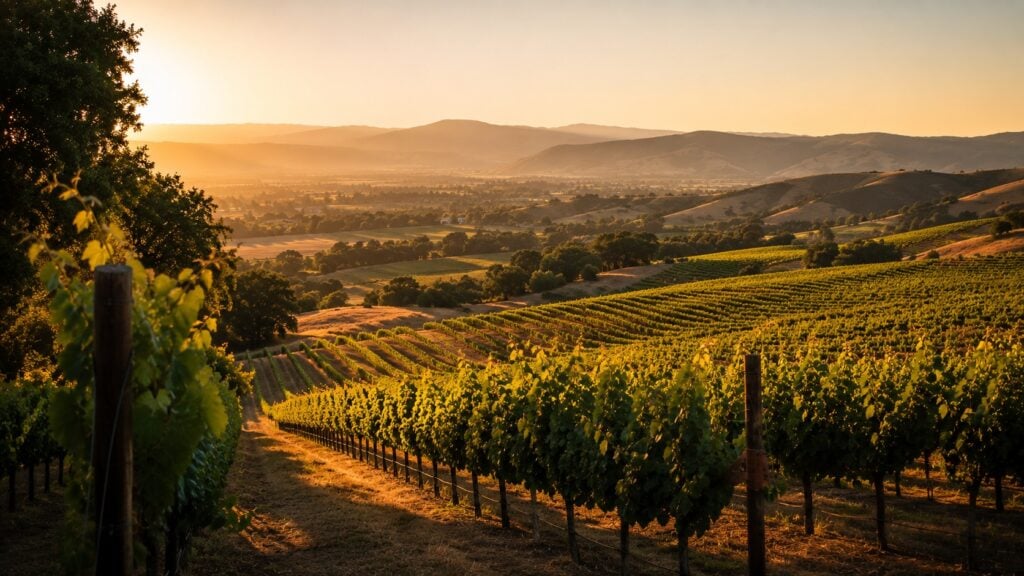
In Livermore Valley, this adaptability is especially important. The region’s natural diurnal temperature swings, warm days and cool nights, help preserve acidity even as overall temperatures rise. This allows wineries like Mitchell Katz to maintain elegance while still delivering rich, expressive wines.
The result? A fascinating convergence where Old World wines are becoming slightly bolder, and New World wines are becoming more refined.
The Evolution of Wine Drinkers’ Preferences
Today’s wine consumer is very different from the one of 20 years ago.
Modern drinkers are:
- More adventurous
- Less bound by tradition
- More interested in storytelling and experience
This shift has played directly into the strengths of New World wineries.
Consumers increasingly gravitate toward wines that are:
- Approachable
- Fruit-forward
- Easy to understand
Rather than deciphering complex regional labeling systems, many wine drinkers prefer clearly labeled varietals, like Cabernet Sauvignon or Chardonnay, paired with consistent flavor expectations.
Mitchell Katz Winery benefits from this shift by offering wines that are both expressive and accessible, without sacrificing complexity. This balance appeals to both beginners and seasoned enthusiasts.
At the same time, there’s a growing segment of consumers who appreciate the nuance of Old World wine, meaning the most successful wineries today are those that can speak to both audiences.
The Role of Technology in Modern Winemaking
One of the defining characteristics of New World winemaking is the embrace of technology.
From vineyard to bottle, modern tools allow winemakers to:
- Monitor grape ripeness with precision
- Control fermentation temperatures
- Analyze soil and vine health
- Ensure consistency across vintages
Old World producers often rely on tradition and minimal intervention, while New World wineries use data and innovation to refine their craft.
At Mitchell Katz Winery, technology enhances, not replaces, the art of winemaking. The goal isn’t to standardize flavor, but to ensure that each wine reaches its full potential.
This combination of science and craftsmanship allows for:
- Greater consistency
- Better quality control
- More expressive final products
In many ways, technology is what enables New World wines to compete on a global stage while still maintaining individuality.
Understanding Wine Labels: Old World vs. New World
Wine labels can be one of the most confusing aspects for consumers, especially when comparing Old World and New World bottles.
Old World Labels:
Typically emphasize region over grape variety.
For example:
- A Bordeaux label may not say “Cabernet Sauvignon” at all
- You’re expected to know what grapes are traditionally grown there
New World Labels:
Focus on grape variety and clarity.
For example:
- “Cabernet Sauvignon – Livermore Valley”
- Easy to understand at a glance
This difference reflects broader philosophies:
- Old World = tradition and regional identity
- New World = accessibility and consumer-friendly communication
For many modern wine drinkers, New World labeling lowers the barrier to entry, making it easier to explore and enjoy wine without needing extensive prior knowledge.
Food Pairing Philosophies: Old World vs. New World
Food and wine pairing is another area where Old and New World styles diverge.
Old World Approach:
Wine is designed to complement food subtly.
Higher acidity and lower alcohol make these wines ideal for:
- Rich dishes
- Fatty meats
- Traditional European cuisine
New World Approach:
Wines often take center stage.
Their bold flavors pair well with:
- Grilled meats
- Spicy dishes
- Fusion cuisine
Mitchell Katz wines, with their balance of fruit and structure, offer flexibility. They can stand up to bold flavors while still complementing more delicate dishes.
This versatility is a hallmark of modern California winemaking, where wines are crafted not just for tradition, but for real-world dining experiences.
Final Thoughts: Tradition Meets Innovation
The divide between Old World and New World wines isn’t about competition, it’s about contrast.
And in that contrast lies opportunity.
Mitchell Katz Winery represents a new chapter in winemaking, one where tradition informs innovation, and where every bottle tells a story rooted in both place and passion.
FAQs
What is the main difference between Old World and New World wines?
Old World wines focus on terroir and tradition, while New World wines emphasize fruit, innovation, and winemaking techniques.
Are New World wines better than Old World wines?
Not necessarily—it depends on personal taste preference.
Is California considered New World?
Yes, California is one of the leading New World wine regions.
What makes Livermore Valley unique?
Its climate and soil create balanced, expressive wines with both richness and structure.