If you’ve ever enjoyed a bottle of wine you loved, only to discover that the next year’s vintage tasted a little different, you’re not imagining things. Even when the grape variety, vineyard, and winemaker remain the same, every vintage tells its own story.
For many wine lovers, this can be surprising. We often expect products to taste identical from year to year. But wine isn’t manufactured in a factory. It’s an agricultural product deeply connected to nature, where every growing season brings its own weather, challenges, and opportunities.
This is especially true for single-vineyard wines. Rather than blending fruit from multiple locations to create consistency, single-vineyard wines celebrate the unique personality of one specific vineyard during one specific growing season. That means every bottle captures a moment in time that can never be perfectly repeated.
At Mitchell Katz Winery, this philosophy is embraced rather than hidden. Each vintage reflects the distinctive conditions of Livermore Valley and the character of carefully selected vineyard sites, allowing wine enthusiasts to experience how nature influences every bottle.
Whether you’re new to wine or looking to deepen your appreciation, understanding vintage variation will help you choose wines with greater confidence and enjoy every glass on a new level.
What Does “Vintage” Mean in Wine?
One of the most misunderstood terms on a wine label is the word vintage.
Simply put, a wine’s vintage refers to the year the grapes were harvested and not the year the wine was bottled or released.
For example:
- A 2023 Cabernet Sauvignon means the grapes were harvested during the 2023 growing season.
- Depending on the style of wine, bottling may not occur until months or even years later.
- Red wines often spend additional time aging before they’re available for purchase.
Because every growing season is different, every vintage develops its own personality.
Unlike many consumer products, wineries don’t aim to make every bottle taste exactly the same year after year. Instead, they work to express the best qualities each harvest naturally provides.
This is one of the reasons wine remains so fascinating: every vintage becomes a snapshot of a particular year in the vineyard.
Why Every Vintage Is Different
Nature never repeats itself exactly.
Even subtle differences in weather throughout the year can dramatically influence grape development.
Research has consistently shown that seasonal weather patterns, including temperature and rainfall, are among the most significant factors influencing wine quality and vintage variation.
Several natural factors shape every vintage.
Winter Rainfall
Healthy vineyards begin long before spring arrives.
Winter rains replenish groundwater, giving vines the moisture they need as the growing season begins. Too little rainfall may stress vines early, while excessive moisture can create other vineyard challenges.
The balance established during winter often influences fruit quality months later.
Spring Weather
Spring determines how the vineyard starts its growing season.
Warm, stable conditions encourage healthy bud break and flowering. Late frosts, unusually cool temperatures, or heavy rain during flowering can reduce crop size and affect grape development.
These early-season events often influence the entire vintage.
Summer Temperatures
During summer, grapes slowly ripen by accumulating sugar while maintaining natural acidity.
Moderate temperatures typically allow for gradual, even ripening that develops complex flavors.
Extreme heat can accelerate sugar accumulation before flavors fully mature, while unusually cool summers may extend the growing season and preserve vibrant acidity.
Each pattern creates a different expression in the finished wine.
Harvest Conditions
Harvest timing is one of the most important decisions a winemaker makes.
A warm, dry autumn allows grapes to remain on the vine longer, encouraging full flavor development.
Unexpected rain near harvest may require picking earlier than planned to protect fruit quality.
Every harvest requires careful observation rather than relying solely on the calendar.
How Single-Vineyard Wines Showcase Vintage Variation
Many large-scale wineries blend fruit from numerous vineyards spread across different regions.
This approach helps create consistency from year to year.
Single-vineyard wines take a different path.
Instead of smoothing out natural differences, they celebrate them.
Because all the grapes come from one vineyard, the wine becomes a true reflection of:
- that specific location,
- that specific growing season,
- and that specific harvest.
Think of it like photography.
A blended wine can resemble a carefully edited collection of images that presents a consistent look.
A single-vineyard wine is more like a candid photograph, capturing one unique moment exactly as it happened.
For wine enthusiasts, this authenticity makes collecting different vintages especially rewarding.
Comparing consecutive vintages allows you to taste how even small shifts in weather influenced aroma, texture, acidity, and overall balance.
Instead of asking, “Why does this wine taste different?”
Many experienced collectors ask,
“What story is this vintage telling?”
The Livermore Valley Advantage
Livermore Valley offers one of California’s most distinctive wine-growing environments.
Located east of San Francisco Bay, the region enjoys a Mediterranean climate that combines warm afternoons with cooling marine breezes.
These daily temperature swings play a significant role in preserving grape acidity while allowing flavors to mature gradually.
The result is wines that often balance richness with freshness.
However, even within this relatively consistent climate, every vintage brings subtle differences.
One year may feature:
- slightly warmer summer evenings,
- longer periods of sunshine,
- earlier harvest dates,
- or increased winter rainfall.
Another may experience cooler mornings, extended ripening, or slower flavor development.
These natural variations create subtle yet meaningful differences that careful tasters often notice.
Rather than masking these characteristics, wineries like Mitchell Katz Winery allow the vineyard’s personality to shine through each vintage.
This commitment to expressing place over perfect uniformity is one reason many wine lovers seek out single-vineyard bottlings.
The Winemaker’s Role in Every Vintage
Although weather shapes every growing season, great winemaking is about responding thoughtfully and not forcing every vintage into the same mold.
Experienced winemakers continually monitor vineyard conditions throughout the year.
They evaluate:
- sugar development,
- acidity,
- tannin ripeness,
- flavor concentration,
- and overall vine health.
Harvest decisions are made based on fruit readiness rather than a fixed date.
Once grapes reach the winery, each vintage may require slightly different fermentation techniques, aging timelines, or barrel selections.
These decisions aren’t made to erase vintage variation, they’re made to help each harvest express its best qualities.
At Mitchell Katz Winery, this philosophy emphasizes balance and authenticity, allowing each vintage to reflect both the vineyard and the growing season while maintaining the winery’s commitment to quality.
How to Taste the Difference Between Wine Vintages
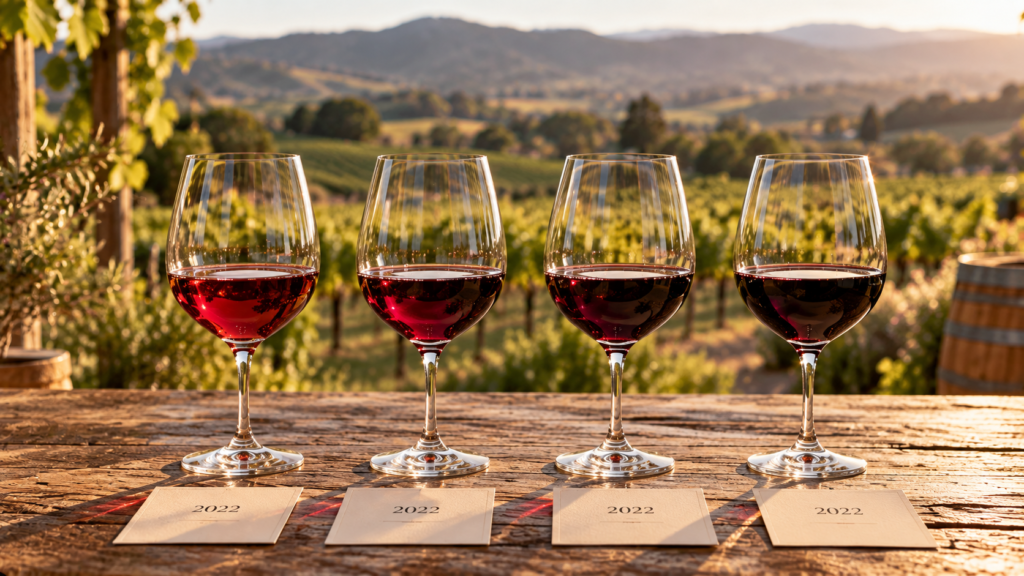
One of the most enjoyable ways to understand vintage variation is by tasting two or more vintages of the same wine side by side. This exercise allows you to focus on subtle differences while appreciating the consistency of the winery’s overall style.
You don’t need to be a sommelier to notice these distinctions. With a little attention and curiosity, anyone can begin to identify how a changing growing season influences what’s in the glass.
Look at the Wine
Before taking your first sip, observe the wine’s appearance.
A younger vintage may display vibrant ruby or deep purple hues, while an older vintage often develops garnet or brick-red tones as it matures. White wines can transition from pale straw to richer golden shades over time.
While color alone doesn’t reveal everything about a vintage, it provides your first clue about the wine’s age and development.
Compare the Aromas
Swirl the wine gently and take a moment to smell it before tasting.
A warmer growing season may produce aromas of ripe blackberry, plum, black cherry, or fig. Cooler vintages often emphasize red cherry, cranberry, raspberry, floral notes, or fresh herbs.
Oak aging can add additional layers such as vanilla, baking spices, cedar, or toasted oak, but the fruit profile often reflects the vintage’s growing conditions.
Take your time. Wines frequently reveal new aromas as they open in the glass.
Notice the Structure
Beyond flavor, pay attention to how the wine feels.
Ask yourself:
- Is the acidity bright and refreshing?
- Are the tannins firm or silky?
- Does the wine feel rich and full-bodied or lighter and more elegant?
- How long do the flavors linger after swallowing?
These structural elements often change more noticeably between vintages than individual flavor notes.
Focus on Balance Rather Than Power
Many people assume bigger, bolder wines are automatically better.
In reality, balance is often the hallmark of exceptional winemaking.
A cooler vintage with lively acidity and refined tannins may age beautifully for years, while a warmer vintage may offer generous fruit and immediate approachability.
Neither style is inherently superior, they simply express different growing seasons.
Understanding this helps wine lovers appreciate diversity rather than searching for a single “perfect” vintage.
Why Vintage Variation Is a Hallmark of Authentic Wine
In today’s world, consistency is often viewed as a sign of quality. Whether it’s your favorite coffee blend or a packaged food product, consumers expect the same experience every time they make a purchase.
Wine is different.
The best wineries don’t erase nature, they work with it.
Vintage variation demonstrates that a wine genuinely reflects the vineyard and the conditions of a particular year. It’s evidence that the grapes were allowed to express themselves rather than being manipulated to taste identical every vintage.
For collectors and enthusiasts, this authenticity is part of the excitement.
Each bottle becomes a snapshot of a specific moment in time.
A warm, sunny year may produce wines with lush fruit and generous texture. A cooler growing season may yield wines with vibrant acidity, elegant structure, and remarkable aging potential.
Both can be exceptional because they represent different expressions of the same vineyard.
Single-vineyard wines, in particular, invite drinkers to experience these differences in a meaningful way. Rather than blending away nature’s influence, they preserve it.
The Role of Aging in Vintage Expression
Vintage variation doesn’t end when the grapes are harvested.
As wine ages in the bottle, it continues to evolve.
Young wines often showcase fresh fruit, lively acidity, and primary aromas. Over time, those characteristics gradually transform into more complex notes such as dried fruit, leather, tobacco, cedar, forest floor, baking spice, or earthy undertones.
Because every vintage begins with different fruit characteristics, each one follows its own aging journey.
This is one reason collectors often purchase multiple vintages of the same wine. They enjoy watching how each evolves over five, ten, or even twenty years.
For everyday wine lovers, understanding this process adds another layer of appreciation when opening a special bottle.
Common Myths About Wine Vintages
Despite growing interest in wine education, several misconceptions about vintages continue to circulate.
Myth 1: Only “Great” Vintages Are Worth Buying
Exceptional winemakers produce outstanding wines across a wide range of growing conditions.
While critics may celebrate certain years, so-called “average” vintages often deliver beautiful balance, food-friendliness, and excellent value.
Myth 2: Every Wine Improves with Age
Not all wines are intended for long-term cellaring.
Many white wines, rosés, and lighter reds are crafted to be enjoyed while young and vibrant.
Only certain wines possess the structure necessary for extended aging.
Myth 3: The Vintage Is the Only Thing That Matters
Vintage is important, but it’s only one piece of the puzzle.
Other factors include:
- Vineyard location
- Soil composition
- Farming practices
- Grape variety
- Harvest decisions
- Winemaking techniques
- Proper storage after bottling
Together, these elements determine the quality of the finished wine.
Myth 4: Different Means Worse
Perhaps the biggest misconception is that variation indicates inconsistency.
In reality, thoughtful vintage variation is one of the defining characteristics of handcrafted wine.
If every bottle tasted exactly the same regardless of weather, vineyard, or growing season, much of wine’s personality would disappear.
Appreciating Vintage Variation at Mitchell Katz Winery
At Mitchell Katz Winery, every vintage is viewed as an opportunity rather than a challenge.
The winery’s commitment to quality begins in the vineyard, where careful farming practices and close observation help each block of grapes reach its full potential.
Instead of forcing every harvest into a predetermined style, the winemaking team allows each vintage to express its natural strengths while maintaining the balance, elegance, and craftsmanship guests have come to expect.
For visitors exploring the tasting room, comparing different vintages can become one of the most memorable parts of the experience.
Whether you’re sampling a bold Cabernet Sauvignon, an expressive Merlot, or another signature varietal, you’ll discover that each vintage tells a slightly different story about the vineyard, the season, and the art of winemaking.
These subtle differences aren’t flaws—they’re the very qualities that make handcrafted wines so compelling.
Final Thoughts
Every bottle of wine represents far more than fermented grapes. It reflects an entire growing season shaped by rainfall, sunshine, temperature, soil, and the countless decisions made in both the vineyard and the winery.
Single-vineyard wines take this connection one step further by capturing the unique identity of a single place during a single year. They invite us to experience nature’s influence with every sip, reminding us that no two harvests are ever exactly alike.
Rather than searching for identical flavors year after year, embrace the opportunity to explore how each vintage evolves. Comparing different harvests can deepen your appreciation of wine, sharpen your tasting skills, and reveal the remarkable relationship between climate, craftsmanship, and terroir.
The next time you notice that two vintages of the same wine taste a little different, remember: that’s not a sign that something has changed for the worse. It’s a reminder that wine is alive with character, shaped by the rhythms of nature and the dedication of the people who guide each harvest from vine to glass.
Understanding vintage variation transforms every bottle into more than just a beverage, it becomes a story worth discovering.
FAQs
What is a wine vintage?
A wine vintage refers to the year the grapes were harvested. It reflects the unique weather conditions and growing season that influenced the wine’s character.
Why does the same wine taste different every year?
Natural variations in rainfall, temperature, sunshine, and harvest conditions affect grape development, resulting in subtle differences from one vintage to the next.
Are single-vineyard wines better for understanding vintage variation?
Yes. Because all the grapes come from one vineyard, single-vineyard wines more clearly express the unique conditions of each growing season.
Does a higher-rated vintage always mean a better wine?
Not necessarily. Many lesser-known vintages produce beautifully balanced wines, especially when crafted by experienced winemakers.
Can I compare different vintages at home?
Absolutely. Tasting two or more vintages of the same wine side by side is one of the best ways to learn how weather and time influence aroma, flavor, and structure.