
Livermore Wine Country Day Trip: A Local's Guide
Everything you need to plan the perfect day in California's oldest wine region - 45 minutes from San Francisco, 35 from Oakland, and worlds away from Napa traffic.
40+ wineries · Wed–Sun tasting hours · No hotel required · 12-15 min between most wineries
Written by the team at Mitchell Katz Winery — making single-vineyard wines in Livermore Valley since 1998. Updated April 2026.
Table of Contents
Why Livermore Valley Is the Best Day Trip
in Bay Area Wine Country
If you’ve ever sat in Highway 29 traffic trying to get into Napa on a Saturday, Livermore Valley is the antidote. Forty-five minutes east of San Francisco on I-580, Livermore is California’s oldest wine region — Spanish missionaries planted the first vineyards here in the 1760s, and Concannon Vineyard bottled the country’s first single-varietal Petite Sirah in 1961. Today, 40+ wineries operate across the valley, most of them small and family-run.
The day-trip appeal is simple:
No Hotel
Needed
You can drive out from San Francisco, Oakland, or the South Bay in the morning and be home for dinner.
Tastings Are Affordable
Expect $20-$40 per tasting versus Napa's $50-$100.
Reservations
Are Easier
Weekends book up, but not weeks in advance the way Napa does.
Winemakers Are Often Pouring
At Livermore Valley wineries, it's common to find the winemaker behind the tasting room bar.
A Short Drive Between Wineries
Most are within a 15-minute drive of each other.
This guide is written by Mitchell Katz Winery, a family-owned Livermore winery since 1998. We’ve pointed thousands of visitors toward great days in the valley — here’s how to plan yours.
Getting to Livermore Valley
From San Francisco
From Oakland
From San Jose
From Sacramento
Public Transit Option
Tour Options (If You Don't Want To Drive At All)
Our Advice
The Perfect Livermore Day Trip Itinerary
Here’s a straightforward itinerary that works year-round. Adjust the wineries based on your preferences (more on that below) — but this pacing is sustainable, covers the best of the valley, and leaves you home in time for dinner.
10:30 AM - Coffee and breakfast in downtown Livermore
Start your day in downtown Livermore, which is walkable and full of small businesses worth stopping at before or after tastings.
Wingen Bakery on South Livermore Avenue is a local favorite – sourdough, pastries, breakfast sandwiches, and a family backstory that’s worth asking about.
First Street Alehouse also serves breakfast and has 28 rotating taps if the day turns into an evening.
If you’re arriving later and need a fast option, there are plenty of coffee shops and quick breakfast stops near downtown. Fuel up – you’re about to taste wine for four hours.
12:00 PM - First winery: Mitchell Katz Winery
A great first stop because it’s close to downtown, tastings are relaxed, and it sets the right pace for the day.
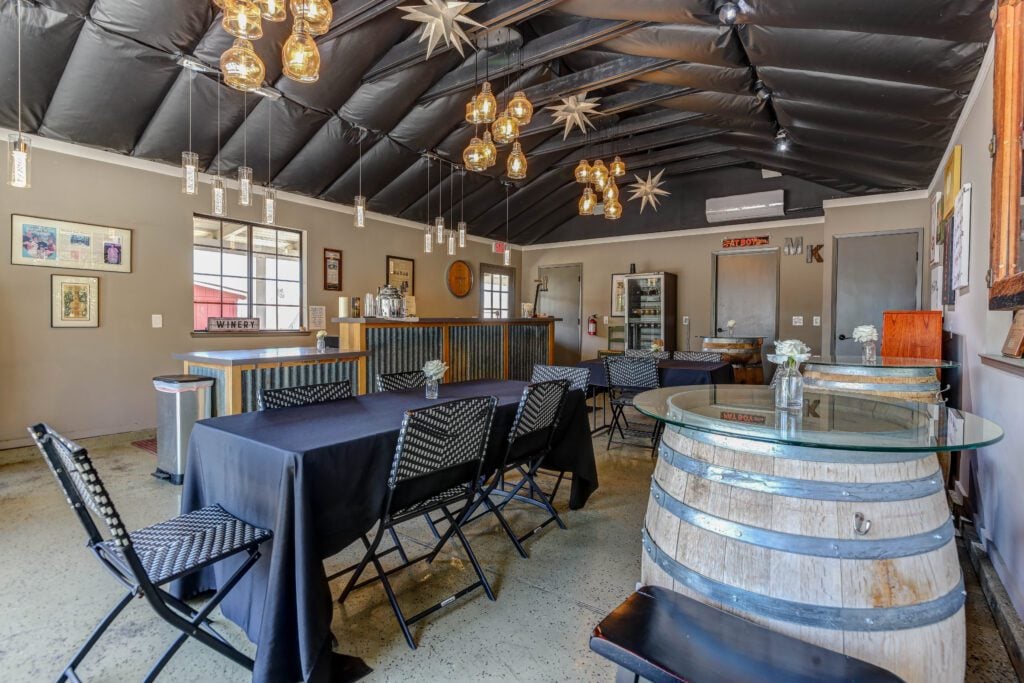
Mitchell Katz Winery is a family-owned boutique winery on South Vasco Road, pouring single-vineyard wines since 1998. The tasting fee is $20, tastings run 60-75 minutes, and groups are capped at six guests per reservation so you’re not competing with a party bus for the host’s attention. Try the Fat Boy Cabernet Sauvignon — it’s what we’re known for, aged 36+ months in French oak.
The tasting room is dog-friendly and picnic-welcome, so if you packed cheese and charcuterie, you can spread out on the patio.
1:30 PM - Lunch in the valley
A few options depending on how you’re feeling:
Sit-down in downtown Livermore: Range Life is the standout – a farm-to-table restaurant in a renovated 1800s brick building, run by alumni of San Francisco’s Tartine and Outerlands. California-style seasonal menu, excellent wine list, reservations recommended.
Winery restaurant: The Restaurant at Wente Vineyards on Arroyo Road serves a Californian-Mediterranean menu in an upscale setting. Expect $40-$60 per person for lunch.
Casual winery lunch: Garré Vineyard & Winery has a café with Mediterranean-inspired wine country cuisine — a simpler option right on a winery property.
Picnic route: Pick up sandwiches at a downtown deli and bring them to a picnic-friendly winery. Many Livermore wineries, including Mitchell Katz, welcome outside food.

2:45 PM — Second winery: A bigger, historic estate
After lunch, swing by one of the valley’s historic anchor wineries. Two to choose from:
Wente Vineyards is the oldest continuously operated, family-owned winery in the United States (founded 1883). Their tasting lounge offers cave tours, seated tastings, and a walk-up bar. The estate is large enough that it feels like a proper wine country experience — great for first-time Livermore visitors who want the full scale of it. See how Mitchell Katz and Wente compare.
Concannon Vineyard is a California Historical Landmark. They’re the winery that bottled the country’s first single-varietal Petite Sirah and whose Cabernet Sauvignon clone (Clone 8) makes up about 80% of California’s Cabernet today. The tasting room is historic, the property is walkable, and the port-and-chocolate pairing is worth asking about.
Either is a great complement to the smaller boutique feel of Mitchell Katz.
4:00 PM - Third winery: One more boutique stop
You’ve got time for one more tasting before rooms close at 5 PM. This is the stop to pick based on what you want to try:
Murrieta’s Well for seated tastings and a beautiful patio – historic property, excellent wines.
McGrail Vineyards for panoramic Livermore Valley views – known for Cabernet Sauvignon, female-owned, great for Instagram-worthy photos.
Retzlaff Vineyards for certified-organic wines, live music most Saturdays, food vendors on-site.
Las Positas Vineyards for three-time San Francisco Chronicle Best of Show awards (2019, 2024, 2025) and a restaurant + live music.
Dante Robere Vineyards for handcrafted Rhône and Bordeaux varietals across from Sycamore Grove Park – picnic-friendly, spacious patio.
5:30 PM - Dinner or head home
If you’re staying for dinner, downtown Livermore is the move.
Zephyr Grill & Bar for American comfort food in a cozy brick building.
The Black Cat for small plates and cocktails — a local favorite.
Strizzi’s for Italian if that’s what the group’s feeling.
If you’re driving home, you’ll be back in San Francisco by 7 PM easily, or earlier depending on traffic.
How to Customize This Itinerary
The itinerary above works for most people. Here’s how to adjust it:
If you want to visit more than three wineries
Start earlier and cap tastings at 45 minutes each. Four wineries is the maximum sustainable pace — your palate genuinely fades after that.
If you’re with a group of six or more, book private tastings
Most Livermore wineries (Mitchell Katz included) offer private experiences for groups of 7+ with dedicated hosting. Don’t try to book multiple standard reservations for a big group – it’s less fun for everyone.
If you’re celebrating something special
Book winery restaurants early. Wente and Las Positas get busy for birthdays, anniversaries, and bachelorette parties.
If you’re on a budget
The tasting fees are $20-$40 per winery. Three tastings + lunch + gas from San Francisco runs about $120-$180 per person total. Cheaper than a Napa day trip by about half.
If you want to ship wine home
Most Livermore wineries ship to most states. Buy what you love — you don’t have to carry it home on the plane. Mitchell Katz ships through our online store.
If you want food at every stop
Not every Livermore winery has a kitchen. Some (like Wente, Garré, Las Positas, Retzlaff) have on-site food; others (like Mitchell Katz) are picnic-friendly and welcome outside food. Plan accordingly.
Best Time of Year for a Livermore Wine Country Day Trip
Spring (March–May) is our favorite season.
The vineyards are bright green, the wildflowers are out, and the weather is ideal for patio tastings. Livermore Valley Wine Month happens every May, with special events across the valley.
Fall (September–October) is a close second.
Harvest is happening, the vineyards turn gold, and many wineries host release parties and crush events. Some of our best tastings happen during this stretch.
Summer (June–August) runs hot – Livermore often hits the 90s.
Tastings are still fun, but stick to wineries with covered patios or indoor seating. Everything’s bookable, just less scenic.
Winter (November–February) is quiet, which is either a pro or a con depending on your style.
Fewer crowds, easier reservations, but fewer events and occasionally rainy weather. A small number of wineries close in January – check individual winery hours before you go.
Day of week:
Weekends book up. If your schedule is flexible, Wednesday or Thursday afternoons are the best-kept secret in the valley. You’ll often have the tasting room nearly to yourself, and hosts have more time to talk you through each pour.
What to Bring on a Livermore Wine Country Day Trip
A designated driver if you’re not using rideshare or a tour. This is not negotiable — Livermore police patrol the wine country routes seriously.
Water and snacks
Tasting wine on an empty stomach on a hot day is a bad plan. Bring water for the car and something to snack on between stops.
Layers
Mornings are cool, afternoons warm up fast, and tasting room patios are often breezier than you’d expect.
Cash for tips
Tasting room hosts often work for tips on top of their hourly. $5-$10 per person per tasting is appreciated but not required.
A cooler or insulated bag
If you’re buying bottles to bring home and it’s a hot day, don’t leave wine in a parked car. A small cooler in the trunk goes a long way toward protecting what you buy.
Sunscreen and sunglasses
Patios are mostly unshaded, and the valley gets a lot of sun.
An open mind
Livermore grows over 50 different varietals – many are wines you haven’t tried before. Say yes to the pours you don’t recognize.
Where to Stay if You Decide to Make It a Weekend
If the day trip turns into an overnight stay — and it often does — a few options:
Purple Orchid Wine Country Resort & Spa – Boutique 10-room hotel surrounded by vineyards, with a spa, pool, and a daily wine-and-cheese social hour. The most wine-country-feeling option in Livermore.
AC Hotel Pleasanton – Modern hotel with good freeway access. Fifteen minutes from Livermore wineries.
Airbnbs in Pleasanton or Livermore – Best for groups larger than 4. The valley has plenty of vineyard-adjacent rentals.
Livermore Valley is underbuilt on hotels compared to its tourism. Book ahead, especially for spring and fall weekends.
Frequently Asked Questions About a
Livermore Wine Country Day Trip
How long does a Livermore Valley day trip take?
Plan for 6-8 hours total. That’s travel time + 3 wineries + lunch. You can compress it to 4-5 hours with 2 wineries and a quick lunch, or stretch it to a full day with 4 wineries and dinner.
How many wineries can I visit in a day?
Two to four is the sustainable pace. Tastings run 60-90 minutes each, and you’ll want food breaks and driving time. Your palate genuinely fades after the fourth tasting.
Do I need reservations for Livermore wineries?
Strongly recommended on weekends. Walk-ins are often welcome weekdays. Weekend afternoons book up at popular wineries like Wente, Mitchell Katz, and McGrail.
What's the best Livermore winery for a first-time visitor?
Depends on what you want. Wente is the biggest, most historic, and most polished. Mitchell Katz is the smaller, more relaxed option with single-vineyard wines. Murrieta’s Well has the best patio. Your best day usually combines 2-3 different styles.
Can I do a Livermore wine country day trip without a car?
Yes. Take BART to Dublin/Pleasanton and use rideshare to get between wineries. Costs about $20-$40 in rideshare total for the day. The Livermore Wine Trolley also runs guided tour packages for about $150 per person including lunch.
How much does a Livermore wine country day trip cost?
Tasting fees are $20-$40 per winery. Three tastings + lunch + gas from San Francisco runs $120-$180 per person total. A Napa day trip is typically double that.
What should I eat during a Livermore wine tasting day trip?
Grab breakfast in downtown Livermore before tastings start at noon. For lunch, Range Life, Wente Restaurant, or Garré Café are the top picks. For dinner, downtown Livermore has Zephyr Grill, The Black Cat, and Strizzi’s.
Is Livermore wine country dog-friendly?
Many wineries are dog-friendly, Mitchell Katz included. Always call ahead — policies vary. Dogs welcome on leash at most outdoor patios.
What grapes does Livermore Valley grow?
Over 50 varietals. Cabernet Sauvignon, Chardonnay, Petite Sirah, and Zinfandel are the most common. You’ll also find lesser-known Italian and Spanish varietals (Barbera, Albariño, Sangiovese) that are harder to find in Napa and Sonoma.
What makes Livermore Valley wine different from Napa?
Livermore has a wider temperature swing between day and night (thanks to San Francisco Bay breezes), which preserves acidity in the wines. Livermore also has a stronger single-vineyard tradition, more family-owned small producers, and a more relaxed tasting culture.
Is Livermore Valley worth the day trip from San Francisco?
Yes — especially if you’ve done Napa or Sonoma and want something smaller, more affordable, and less touristy. The drive is shorter, the tastings are cheaper, and the wineries are often run by the people actually making the wine.
Can I take BART to Livermore wine country?
Not directly. BART goes to Dublin/Pleasanton, which is 15-20 minutes by rideshare from most Livermore wineries. It’s a viable transit option if nobody in your group is willing to be the designated driver.
Is a Livermore Valley day trip worth it from San Francisco?
Yes — especially if you want a wine country experience without Napa-level commitment. Livermore is 45 minutes from San Francisco (versus 90+ minutes to Napa), tastings are about half the cost, and weekend reservations are far easier to get. You can leave SF at 10 AM, hit 3 wineries with lunch, and be home by 6 PM.
How does Livermore Valley compare to Sonoma?
Livermore is smaller (40+ wineries vs 400+ in Sonoma), closer to the Bay Area (45 min vs 75+ min), and significantly less expensive. Sonoma has more variety and bigger-name producers. Livermore wins on accessibility, intimacy, and price — which is why it’s increasingly the go-to day trip for Bay Area locals.
What's the closest wine country to San Francisco?
Livermore Valley, 45 minutes east via I-580. It’s the closest full-scale wine region to San Francisco — closer than Napa (60-90 min), Sonoma (75+ min), or Carneros (60 min). For a no-hotel-needed Bay Area day trip, Livermore Valley is the easiest choice.
Can I visit Livermore wineries without a car?
Yes, with planning. Take BART to the Dublin/Pleasanton station, then either rideshare to wineries (about $25-$40 per leg) or take Wheels Bus to downtown Livermore for $2. The Livermore Wine Trolley also offers full-day guided tours including pickup, three wineries, and lunch for about $150.
Ready to start your day?
Questions? Call us at (925) 800-6275 or email office@mitchellkatzwinery.com
Related Guides
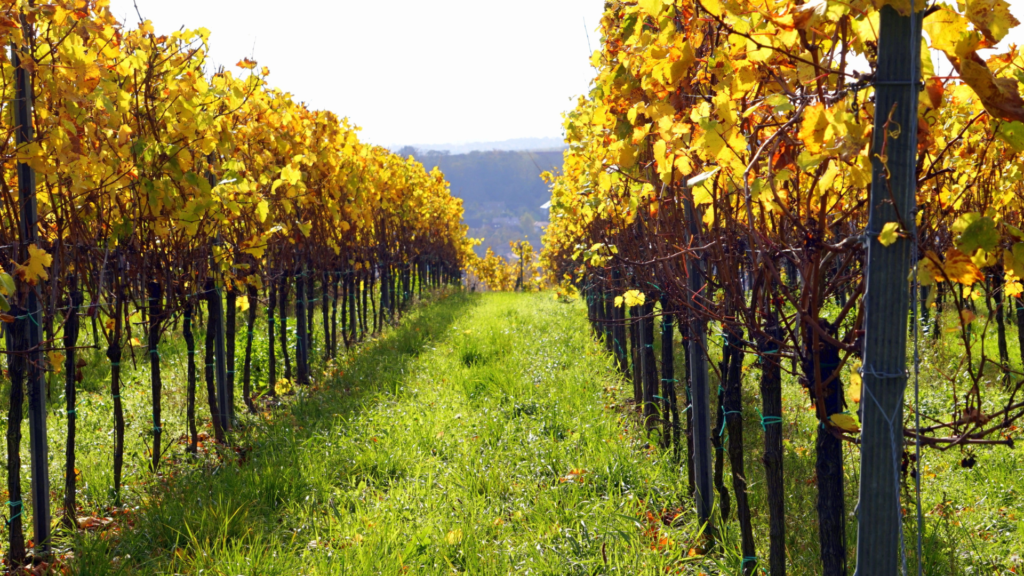
Wine Tasting in
Livermore Valley
what to expect, book a tasting
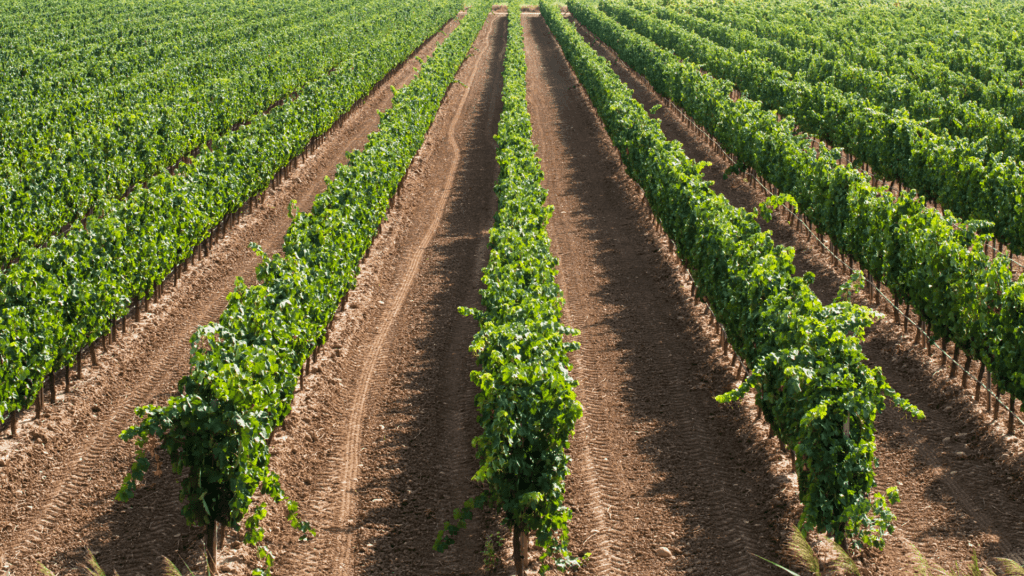
Wineries Near
Dublin & San Ramon
Tri-Valley guide
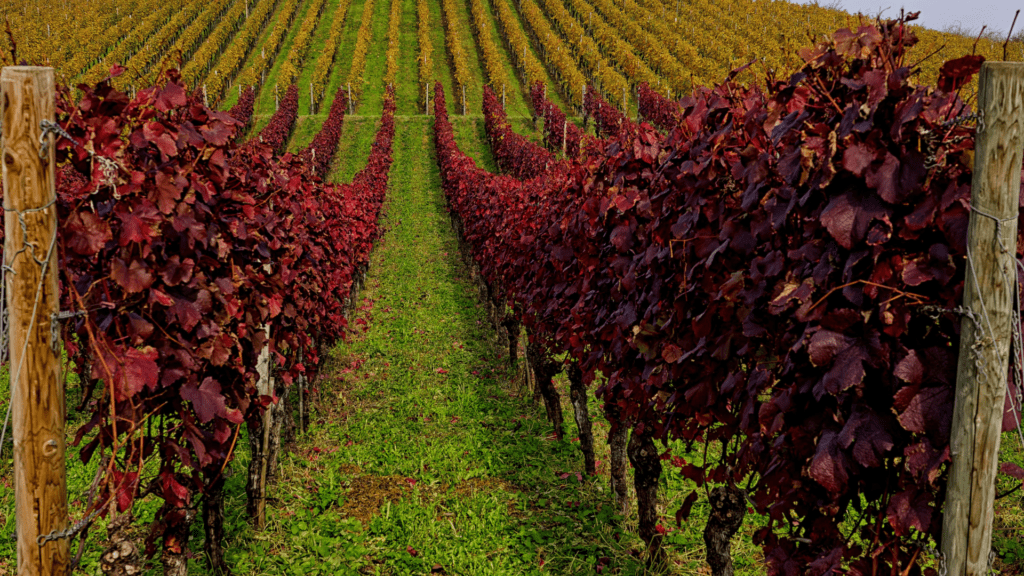
Wineries Near
Pleasanton
Pleasanton-area guide