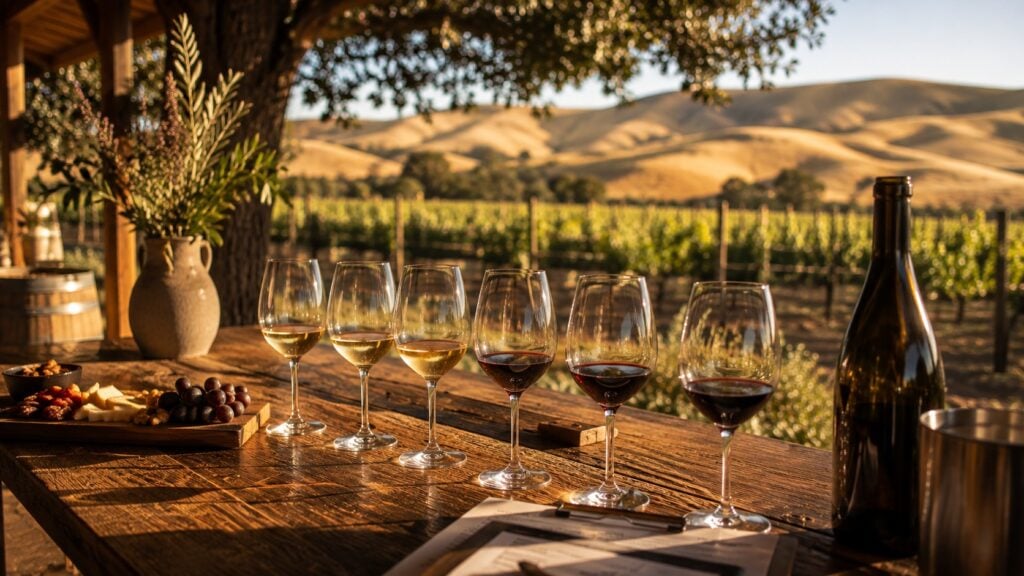
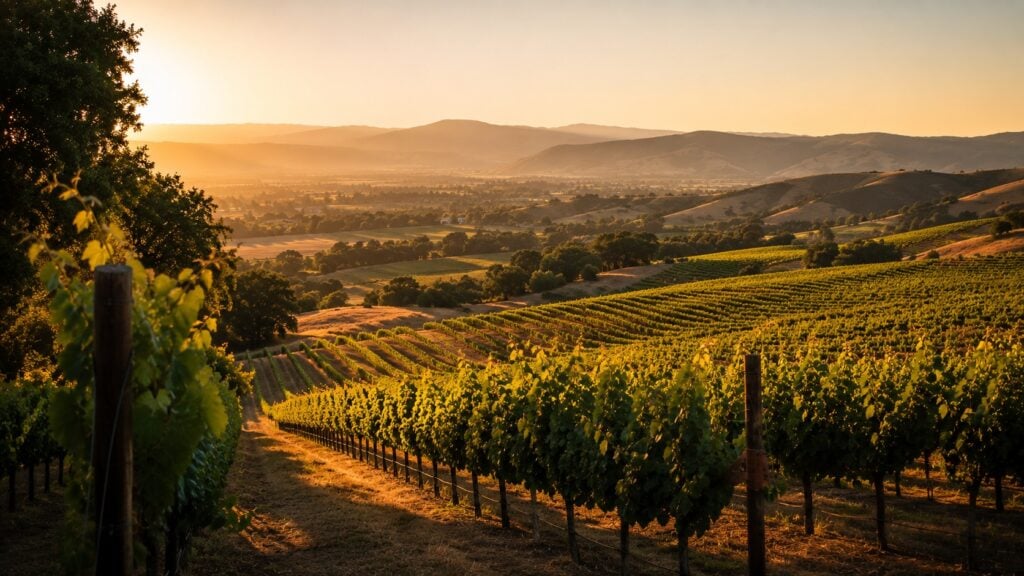
When you raise a glass of wine, you’re not just sipping a beverage—you’re experiencing a journey that began months or even years earlier. At Mitchell Katz Winery in Livermore, California, every bottle is a labor of love, crafted through dedication, tradition, and innovation. The process of turning grapes into wine is both art and science, and at Mitchell Katz, that journey from grape to glass is celebrated with each vintage.
This article takes you behind the scenes, step by step, through the winemaking process at Mitchell Katz Winery, showing you how a grape transforms into a bottle of fine Livermore Valley wine.
The Livermore Valley Advantage
Before we dive into the process, it’s important to understand what makes Livermore Valley so unique. This wine region, one of California’s oldest, offers a perfect balance of sunshine, cooling breezes from the Pacific, and gravelly soils that allow grapevines to thrive.
Unlike Napa or Sonoma, Livermore offers a less commercialized and more intimate experience, where boutique wineries like Mitchell Katz are dedicated to authenticity and quality. The valley’s terroir influences every sip, making the wines not only delicious but also deeply connected to the land.
Step One: Nurturing the Vineyards
Terroir and Climate
The foundation of great wine is always the vineyard. Livermore’s gravelly soils allow roots to dig deep, pulling in unique minerals that define the wines. The warm days and cool nights provide balance, ensuring sugars develop without sacrificing acidity.
Vineyard Care and Grape Selection
At Mitchell Katz Winery, vineyard care is intentional and precise. Each grape varietal, whether Chardonnay, Cabernet Sauvignon, or Petite Sirah, receives attention tailored to its needs. Careful canopy management, irrigation techniques, and pest control ensure only the best grapes reach the next stage.
Step Two: Harvest – Timing is Everything
Harvest is one of the most exciting times of year at any winery. Choosing when to pick grapes is both science and intuition.
Hand-Harvesting vs. Machine Harvesting
While many large-scale producers rely on machines, Mitchell Katz Winery emphasizes a more hands-on approach. Hand-harvesting ensures only the ripest, healthiest clusters make it to production, preserving the integrity of the wine.
The Katz Family Approach
For Mitchell Katz and his team, harvest is a family affair. It’s about community, teamwork, and tradition, with everyone involved in bringing in the fruit at its peak.
Step Three: Crushing and Destemming
Tradition Meets Modern Technique
Once grapes arrive at the winery, they are sorted and prepared for fermentation. Crushing and destemming separate the juicy berries from the stems, preparing the fruit for the next stage.
How Mitchell Katz Winery Honors the Grapes
Instead of rushing, the winemakers treat the fruit with care, balancing traditional techniques with modern technology to preserve flavors and aromas.
Step Four: Fermentation – The Heart of Winemaking
Red vs. White Fermentation
The fermentation stage is where the magic truly happens. For red wines, the skins stay with the juice, imparting color and tannins. For whites, skins are removed early, resulting in crisp, clean flavors.
Yeast, Temperature, and Transformation
At Mitchell Katz Winery, natural and cultured yeasts play their part, while temperature control ensures balanced fermentation. It’s a delicate dance between science and artistry.
Step Five: Pressing and Clarification
Extracting Juice and Separating Skins
Once fermentation is complete, the wine is pressed to extract every drop of flavor. Skins, seeds, and solids are carefully removed, leaving behind liquid gold.
Patience in Clarification
The wine is then clarified, either through settling or filtration. This step ensures purity and brilliance, preparing the wine for aging.
Step Six: Aging the Wine
Oak Barrels vs. Stainless Steel
Aging is where wines develop depth and complexity. Reds may spend months or years in oak barrels, soaking in vanilla, spice, and toast notes. Whites may be aged in stainless steel, preserving freshness and fruit-forward character.
The Signature Katz Style
Mitchell Katz Winery is known for balancing tradition with innovation. Some wines are barrel-aged for richness, while others are crafted to showcase bright fruit flavors. Each choice reflects the winery’s dedication to quality.
Step Seven: Blending and Tasting
The Art of Balance
Blending is a winemaker’s palette. By combining different lots, varietals, or barrel types, Mitchell Katz creates wines with depth, harmony, and individuality.
Family Traditions in Tasting
Blending sessions are often communal, involving not just the winemaking team but also the Katz family. This ensures each bottle reflects their values and taste.
Step Eight: Bottling and Labeling
From Winery to Cellar to Table
After aging and blending, wines are bottled with precision. Every bottle is sealed, labeled, and prepared to be enjoyed—whether in the tasting room, at home, or at celebrations across the country.
A Toast to Legacy
Each label carries more than just information; it represents the family’s legacy and the journey of the wine from grape to glass.
Visiting Mitchell Katz Winery – Experiencing the Process in Person
While reading about winemaking offers insight, nothing compares to experiencing it firsthand. Visitors to Mitchell Katz Winery in Livermore can enjoy tastings, tours, and conversations with the winemaking team. It’s a chance to connect not just with the wine but also with the people and the land that make it possible. (internal link)
The Role of Family Legacy in Winemaking
Family is at the heart of Mitchell Katz Winery. Founded in honor of his grandfather, Mitchell Katz carries forward not only a passion for wine but also the values of hard work, hospitality, and tradition. Every decision, from vineyard practices to hospitality, reflects a desire to keep wine personal and meaningful. Visitors often remark that tasting at Katz feels like joining a family gathering which is a hallmark of authenticity.
Livermore Valley vs. Napa and Sonoma: What Sets Katz Apart
While Napa and Sonoma dominate California’s wine headlines, Livermore Valley remains a hidden gem. Unlike the crowded highways of Napa, Livermore offers intimacy and approachability. The wines here, including those from Mitchell Katz, are crafted with the same attention to detail but without the commercial sheen. Livermore terroir produces bold Petite Sirahs and elegant Chardonnays with their own distinct fingerprint, proof that world-class wines don’t require world-famous addresses.
Food and Wine Pairing with Katz Wines
Pairing wine with food enhances both. Mitchell Katz Petite Sirah pairs beautifully with grilled ribeye or braised short ribs, its tannins softening against the richness of beef. The winery’s Chardonnay, with its crisp acidity and citrus notes, complements seared scallops or lemon chicken. Blends shine with charcuterie and cheeses, creating versatile options for gatherings. Katz wines are made to be shared at the table, enhancing celebrations big and small.
The Science of Terroir: Why Soil and Climate Matter
The gravelly soils of Livermore Valley force vines to struggle, concentrating flavors in the grapes. The region’s diurnal temperature swings, hot days, cool nights, preserve acidity while developing sugars. Katz wines are a direct expression of this terroir, each sip carrying hints of minerality and balance unique to the valley. It’s not just climate; it’s a conversation between land, grape, and winemaker.
Seasonal Work in the Vineyards: A Year in the Life
Wine is made in the vineyard long before harvest. In winter, vines are pruned to prepare for growth. Spring brings budbreak and frost protection. Summer requires canopy management, irrigation adjustments, and pest monitoring. Autumn is harvest which is a celebration of patience rewarded. At Mitchell Katz Winery, these tasks are guided by experience and intuition, ensuring each vintage reflects the best of the valley.
Winemaking Equipment: Tradition Meets Innovation
From stainless steel tanks to French oak barrels, equipment choices shape the wine. Mitchell Katz Winery blends tradition and modernity, using gentle crushers to preserve fruit integrity and temperature-controlled fermentation tanks to fine-tune flavors. Technology is a tool, but never a replacement for craftsmanship. Each piece of equipment supports the goal: wines that are authentic, expressive, and approachable.
Barrel Programs: French Oak vs. American Oak
Oak aging is an art form. French oak imparts elegance, subtle spice, and soft tannins, while American oak delivers bolder vanilla and coconut notes. At Mitchell Katz Winery, both are used strategically depending on varietal and style. A Petite Sirah might thrive in American oak, while Chardonnay benefits from the finesse of French oak. This nuanced approach ensures wines carry depth without overpowering the fruit.
The Role of Yeast in Flavor Development
Yeast is more than a fermentation tool — it’s a flavor architect. Natural wild yeasts bring unpredictability and complexity, while cultured strains provide consistency and control. Mitchell Katz Winery embraces both, allowing wines to develop character while ensuring balance. The choice of yeast affects not just aroma and taste but also mouthfeel, making it one of the most important invisible players in winemaking.
Sustainability Beyond the Vineyard
Sustainability at Mitchell Katz Winery doesn’t stop at the vines. Packaging choices, energy-efficient equipment, and water conservation all contribute to reducing the winery’s footprint. Recycling programs, eco-conscious suppliers, and long-term vineyard health are part of a holistic vision. Sustainability isn’t a marketing point — it’s a responsibility to future generations of winemakers and wine lovers alike.
The Future of Livermore Valley Wine
The Livermore Valley is on the cusp of broader recognition. With passionate winemakers like Mitchell Katz leading the way, the region is carving a reputation for world-class wines with approachable experiences. Investment in vineyards, tourism, and sustainability promises growth. For wine lovers, this means Livermore is not just California’s past — it’s also its future.
Spotlight on Signature Varietals: Petite Sirah and Chardonnay
Two varietals define Mitchell Katz Winery: Petite Sirah and Chardonnay. Petite Sirah is bold, inky, and structured, with notes of blackberry, pepper, and dark chocolate. Chardonnay, meanwhile, offers elegance, balancing citrus brightness with creamy textures. These wines showcase the versatility of Livermore terroir and the winemaking precision that defines the Katz approach.
Tasting Notes: How to Identify Katz Winery Characteristics
Katz wines share a family resemblance. Reds often exhibit rich fruit, balanced tannins, and a velvety finish, while whites lean toward crisp acidity with layered flavors. Petite Sirah lovers notice bold blackberry and spice, while Chardonnay enthusiasts enjoy citrus and vanilla hints. With practice, wine lovers learn to recognize the unmistakable Livermore signature in every Katz bottle.
The Art of Hospitality in the Tasting Room
Hospitality is as important as winemaking at Mitchell Katz Winery. Staff are trained not just in wine knowledge but in creating welcoming experiences. Guests are encouraged to explore, ask questions, and discover wines at their own pace. The goal is simple: every visitor should leave feeling like part of the Katz family.
Wine Clubs and Community: Building Connections
Joining the Katz wine club is more than securing exclusive bottles — it’s about belonging. Members enjoy special events, private tastings, and early access to releases. More importantly, they become part of a community of wine lovers connected by shared experiences. Wine clubs embody the winery’s belief that wine is best when shared.
Awards, Recognition, and Milestones
Over the years, Mitchell Katz Winery has earned critical acclaim and industry recognition. Awards highlight excellence, but milestones, like anniversaries and new vineyard plantings, tell a richer story of resilience, growth, and dedication. Each accolade reinforces what loyal fans already know: Katz wines stand among California’s finest.
A Look Ahead: Innovation at Mitchell Katz Winery
The future at Mitchell Katz Winery is as exciting as its past. Experimentation with lesser-known varietals, adoption of cutting-edge sustainability practices, and new hospitality experiences ensure the winery continues to evolve. Yet, innovation never overshadows tradition. For Mitchell Katz, the guiding principle remains the same: every bottle should tell a story of land, family, and passion.
Conclusion: Every Bottle Tells a Story
From vineyard to cellar, every step in the winemaking journey at Mitchell Katz Winery is guided by passion, tradition, and respect for the grape. When you sip a glass of their wine, you’re tasting more than just fermented fruit, you’re tasting history, terroir, craftsmanship, and family dedication. Truly, each bottle tells a story worth savoring.
FAQs
What makes Petite Sirah a signature wine at Mitchell Katz Winery?
Its bold structure, deep color, and rich blackberry flavors embody Livermore Valley’s terroir.
Why does Mitchell Katz Winery use both French and American oak?
Each type imparts unique flavors — French oak adds elegance, while American oak provides boldness.
What role does family play in the winery’s philosophy?
Family traditions shape winemaking, hospitality, and the community-focused approach.
How is Mitchell Katz Winery preparing for the future?
By blending innovation with tradition, adopting sustainability practices, and expanding varietal exploration.