There’s something deeply satisfying about opening a bottle of wine that you’ve intentionally saved for the perfect moment. A wine collection isn’t just about bottles, it’s about experiences waiting to happen.
Whether it’s a bold Cabernet shared at a celebration or a smooth Merlot enjoyed on a quiet evening, collecting wine transforms everyday moments into something memorable.
For many, starting a wine collection may feel intimidating. But here’s the truth: you don’t need a mansion, a cellar, or a sommelier certification to begin. You just need curiosity, a bit of guidance, and a passion for discovering what you love.
What Defines a Great Wine Collection?
A great wine collection isn’t measured by price or prestige, it’s defined by personal connection and intentional variety.
Think of your collection like a music library:
- Some bottles are your “classics” (reliable favorites)
- Others are reserved for special occasions
- A few are experimental and expand your taste
A well-rounded collection typically includes:
- Everyday drinkers
- Age-worthy wines
- Seasonal selections
- Conversation starters
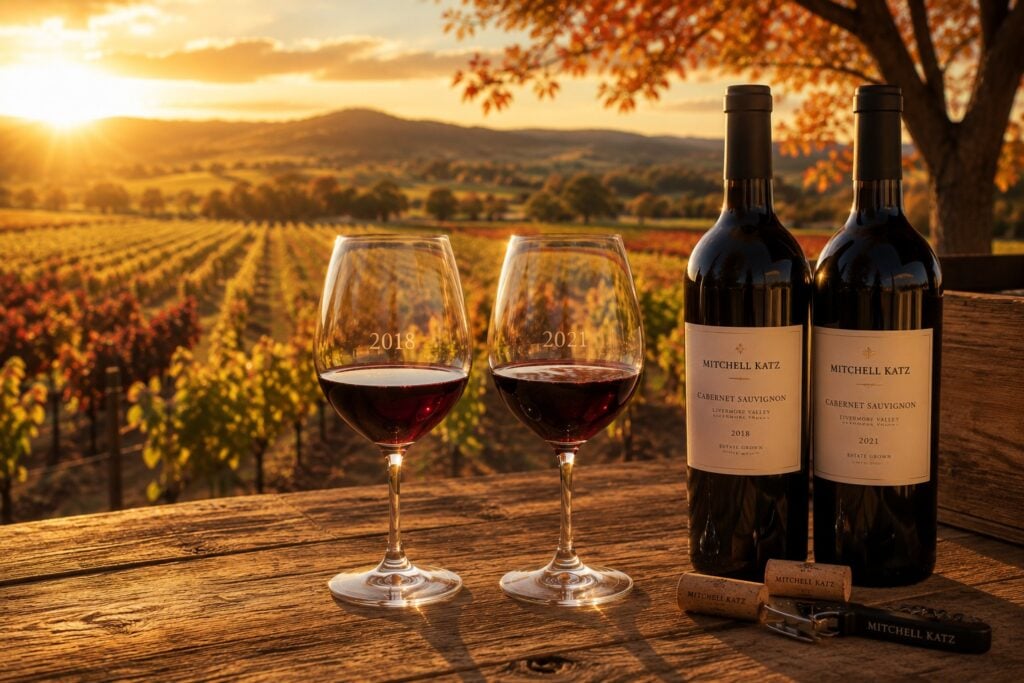
Wineries like Mitchell Katz excel at producing wines that fit beautifully across all these categories, making them ideal for collectors at any level.
Choosing the Right Wines to Collect
When building a wine collection at home, the biggest mistake beginners make is buying randomly. Instead, think strategically.
Start With What You Enjoy
If you love bold reds, lean into that. If crisp whites are your go-to, build from there.
Explore Regional Identity
Livermore Valley wines are known for their balance, structure, and food-friendly profiles. Exploring wines from a single region helps you develop a deeper understanding of terroir.
Diversify Gradually
Avoid buying 12 different wines all at once. Instead:
- Buy 2–3 bottles of wines you enjoy
- Taste one now
- Age the others
This creates a learning experience over time.
Understanding Which Wines Age Well
Not all wines are meant to age and that’s a good thing.
Wines That Typically Age Well:
- Cabernet Sauvignon
- Merlot
- Syrah
- Structured red blends
These wines have:
- Higher tannins
- Balanced acidity
- Complex flavor potential
Mitchell Katz’s red wines, particularly Cabernet and Merlot, are excellent candidates for short- to mid-term aging.
Wines Best Enjoyed Young:
- Most rosés
- Light whites
- Fresh, fruit-forward wines
A good rule of thumb: If a wine tastes amazing now, buy extra and see how it evolves.
How to Store Wine Properly at Home
Proper storage is the difference between a wine that evolves beautifully and one that deteriorates prematurely.
The 4 Golden Rules of Wine Storage:
1. Temperature Consistency
Ideal range: 55–65°F (13–18°C)
Avoid fluctuations at all costs.
2. Darkness
UV light can damage wine. Store bottles away from direct sunlight.
3. Humidity
Aim for 60–70% humidity to keep corks from drying out.
4. Position
Store bottles horizontally to keep corks moist.
Creating Your First Wine Cellar (Even Without a Basement)
You don’t need an underground cave to build a wine cellar.
Beginner-Friendly Options:
• Wine Fridge (Best Option)
Compact, temperature-controlled, and ideal for small collections.
• Closet Conversion
A dark, cool closet can work surprisingly well with minimal adjustments.
• Dedicated Rack in a Cool Room
Keep wine away from kitchens and heat sources.
Think of your setup as evolving over time. Start simple, upgrade as your collection grows.
Organizing and Tracking Your Collection
A collection without organization quickly becomes overwhelming.
Simple Tracking Methods:
- Spreadsheet (wine name, vintage, purchase date)
- Wine apps like Vivino
- Labeling shelves by type or drinking window
Tracking helps you:
- Avoid forgetting bottles
- Know when wines are at peak
- Make smarter buying decisions
When to Drink vs. When to Hold
Timing is everything in wine.
Signs a Wine Is Ready:
- Softer tannins
- Integrated flavors
- Aromas become more complex
When in Doubt:
Open one bottle and evaluate. This is why buying multiples is so valuable.
Wine collecting is part science, part intuition and part adventure.
Common Mistakes to Avoid
Even seasoned collectors make mistakes. Here are the most common ones beginners should avoid:
• Overbuying Too Quickly
Build slowly and intentionally.
• Ignoring Storage Conditions
Heat is your biggest enemy.
• Collecting for Status, Not Taste
Buy what you’ll actually enjoy.
• Forgetting to Drink Your Wine
A collection is meant to be experienced and not just admired.
Building a Collection You’ll Actually Enjoy
The best wine collection tells a story, your story.
Include bottles that:
- Remind you of special trips
- Pair with your favorite meals
- Reflect your evolving taste
Mitchell Katz wines are particularly well-suited for this kind of collection because they balance approachability with depth, making them enjoyable both now and years later.
Budgeting Your Wine Collection: How Much Should You Spend?
One of the biggest misconceptions about building a wine collection at home is that it requires a massive budget. In reality, some of the most enjoyable and meaningful collections are built over time with thoughtful purchases, not expensive splurges.
Start With a Monthly Wine Budget
Treat your collection like a hobby, not a one-time investment. Whether it’s $50 or $300 per month, consistency matters more than size.
The “3-Tier Buying Strategy”
A simple way to balance your collection:
- Everyday Wines ($15–$30): For casual enjoyment
- Mid-Tier Wines ($30–$60): For dinners and small gatherings
- Special Bottles ($60+): For aging or celebrations
Mitchell Katz wines fit beautifully across these tiers, making it easy to build a balanced collection without overspending.
Think Long-Term Value
Instead of buying one expensive bottle, consider buying:
- 3 bottles of a wine you love
- Drink one now
- Age the other two
This approach creates both enjoyment and education.
Buying Smart: Where and How to Source Your Wines
Where you buy your wine matters just as much as what you buy.
Direct From the Winery
Purchasing directly from Mitchell Katz Winery shop ensures:
- Proper storage before purchase
- Access to limited releases
- Authentic provenance
Wine Clubs
Joining a winery’s club gives you:
- Curated selections
- Access to exclusive vintages
- Consistent collection growth
Local Wine Shops
A good wine shop can act like a personal guide. Build relationships and ask for recommendations based on your taste preferences.
Vertical Collecting: Why Buying Multiple Vintages Matters
If you really want to elevate your wine collection, start thinking in terms of verticals.
What Is a Vertical Collection?
A vertical means collecting the same wine across multiple vintages (years).
For example:
- 2020 Cabernet
- 2021 Cabernet
- 2022 Cabernet
Why It’s Valuable
- Shows how climate affects flavor
- Enhances tasting experiences
- Adds depth to your collection
Livermore Valley’s vintage variation makes this especially exciting for collectors.
Developing Your Palate Over Time
Your wine collection should evolve as your taste evolves.
Keep Tasting Notes
After opening a bottle, jot down:
- What you liked
- What surprised you
- Whether you’d buy it again
Compare Wines Side-by-Side
Try tasting:
- A young wine vs. an aged version
- Two varietals from the same region
This builds awareness and confidence quickly.
Trust Your Preferences
Forget wine snobbery. If you enjoy it, it belongs in your collection.
Collecting With Purpose: Occasion-Based Wine Selection
A powerful way to structure your collection is by occasion rather than varietal.
Build Around Moments:
- Weeknight dinners: Easy-drinking reds or whites
- Celebrations: Bold, age-worthy wines
- Gifting: Crowd-pleasing, versatile bottles
- Seasonal gatherings: Light summer wines vs. rich winter reds
This approach ensures your collection is always practical and usable.
Short-Term vs Long-Term Aging Strategy
Not every bottle needs to sit for years. A smart collection balances both.
Short-Term Aging (1–3 Years)
- Enhances structure
- Ideal for most mid-range wines
Mid-Term Aging (3–7 Years)
- Develops complexity
- Softens tannins
Long-Term Aging (7+ Years)
- Reserved for structured, high-quality reds
Mitchell Katz wines often shine in the short- to mid-term window, making them ideal for collectors who want results without long waits.
Wine Collection Insurance & Protection (Advanced Tip)
As your collection grows, it becomes an asset worth protecting.
When to Consider Insurance:
- Collection exceeds $2,000–$5,000
- You’re aging wines long-term
- You own rare or limited bottles
What to Document:
- Purchase receipts
- Photos of your collection
- Storage conditions
Even if you never need it, having records adds peace of mind.
Expanding Your Wine Network & Experiences
Wine collecting doesn’t have to be a solo journey.
Attend Tastings & Events
Events allow you to:
- Discover new releases
- Meet other enthusiasts
- Deepen your knowledge
Share Your Collection
Hosting tastings with friends turns your collection into a social experience.
Visit Wine Regions
Travel enhances appreciation and creates emotional connections to your bottles.
Final Thoughts: From First Bottle to Personal Legacy
Starting a wine collection at home isn’t about perfection, it’s about discovery.
Each bottle you add becomes part of a timeline:
- What you loved
- What you learned
- What you celebrated
Over time, your collection becomes more than wine, it becomes a reflection of your journey.
So start small. Stay curious. And most importantly, enjoy every bottle along the way.
FAQs
How many bottles should a beginner wine collection have?
Start with 6–12 bottles to build variety without overwhelm.
Do I need a wine fridge to start collecting?
Not necessarily, but it significantly improves storage conditions.
What wines are best for aging at home?
Structured reds like Cabernet Sauvignon and Merlot are ideal.
How long can I store wine at home?
Depending on the wine, anywhere from 1 to 10+ years.