Opening a bottle of wine is often the beginning of a memorable meal, celebration, or relaxing evening. But what happens when you don’t finish the bottle? Many wine lovers have wondered whether the remaining wine will still taste good tomorrow or if it should be poured down the drain.
The answer depends on several factors, including the style of wine, how it’s stored, and how much air reaches the wine after opening. While wine doesn’t suddenly become unsafe to drink after the cork is removed, exposure to oxygen gradually changes its aromas, flavors, and overall character.
Understanding how long wine lasts after opening helps you enjoy every bottle at its best while reducing unnecessary waste. Whether you’re savoring a bold Cabernet Sauvignon, a crisp Chardonnay, a refreshing rosé, or a lively sparkling wine, knowing the proper storage techniques can extend freshness and preserve the experience the winemaker intended.
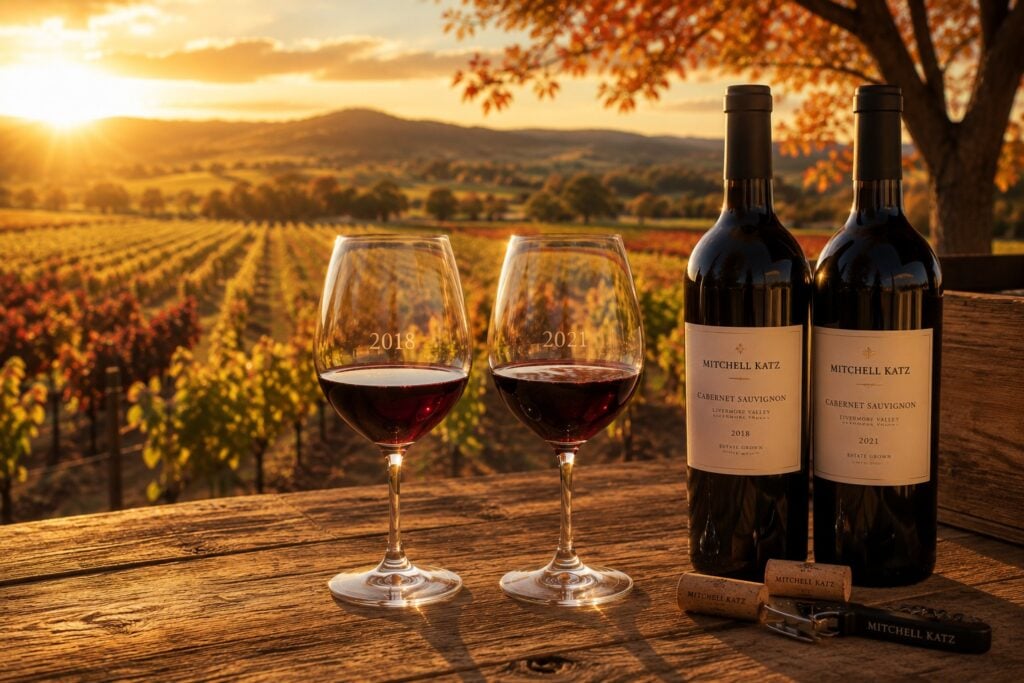
At Mitchell Katz Winery in Livermore Valley, every bottle is crafted to showcase balance, character, and the unique personality of California-grown grapes. Taking a few simple preservation steps ensures those qualities remain enjoyable even after the first glass.
Why Wine Changes After You Open It
The biggest reason wine changes after opening is oxidation.
When a bottle is sealed, very little oxygen comes into contact with the wine. Once the cork is removed, oxygen begins interacting with hundreds of aromatic compounds inside the bottle.
Initially, this can actually improve certain wines. Swirling wine in a glass introduces small amounts of oxygen that help release aromas and soften tannins, making the wine more expressive.
However, prolonged exposure has the opposite effect.
As oxidation continues, fresh fruit flavors begin to fade. Bright acidity becomes dull, floral aromas disappear, and eventually the wine develops flat or stale characteristics.
Think of slicing an apple. The fruit is fresh and vibrant at first, but after sitting out, it gradually turns brown. Wine undergoes a similar chemical process, although much more slowly.
Temperature, light, and air exposure all influence how quickly these changes occur.
How Long Different Types of Wine Last After Opening
While every bottle is unique, these general guidelines provide a reliable starting point.
| Wine Style | Typical Freshness After Opening |
|---|---|
| Red Wine | 3–5 days |
| White Wine | 3–5 days |
| Rosé Wine | 3–5 days |
| Sparkling Wine | 1–3 days |
| Fortified Wine | 2–4 weeks |
| Dessert Wine | 1–3 weeks |
These timelines assume the bottle has been properly resealed and stored in the refrigerator or another cool environment.
Remember that higher-quality wines may continue evolving differently than everyday table wines. Some structured reds can remain enjoyable slightly longer, while delicate aromatic whites may begin losing freshness sooner.
Red Wine Shelf Life
Most red wines remain enjoyable for three to five days after opening.
Several characteristics influence longevity.
Tannins Act as Natural Protection
Cabernet Sauvignon, Petit Verdot, Syrah, and other full-bodied reds contain significant tannins. These natural compounds help slow oxidation, allowing the wine to maintain its structure longer than lighter reds.
Because of their greater concentration, bold reds often taste excellent even two or three days after opening.
Lighter Reds Are More Delicate
Pinot Noir and Gamay generally contain lower tannin levels.
Their elegant fruit aromas tend to fade more quickly, meaning they’re usually best enjoyed within two or three days.
Refrigeration Helps Red Wine Too
A common misconception is that red wine should never be refrigerated.
In reality, placing an opened bottle in the refrigerator dramatically slows oxidation. Simply remove it about 20 to 30 minutes before serving so it can return closer to its ideal drinking temperature.
This simple habit often extends freshness by an extra day or two.
White Wine Shelf Life
Most white wines stay fresh for three to five days when refrigerated and properly sealed.
Because white wines emphasize freshness, acidity, and delicate fruit aromas, preserving those characteristics is especially important.
Crisp Whites
Sauvignon Blanc, Pinot Grigio, Albariño, and other light-bodied whites often deliver vibrant citrus and floral notes immediately after opening.
These bright characteristics gradually diminish over several days, although proper refrigeration slows the process considerably.
Richer Whites
Oak-aged Chardonnay and similar fuller-bodied whites usually maintain their character slightly longer because additional texture and oak influence provide more structure.
Even so, freshness remains an essential part of the experience, making refrigeration the best defense against premature oxidation.
Rosé Wine Shelf Life
Rosé wines generally remain enjoyable for three to five days.
Their appeal comes from vibrant fruit flavors, refreshing acidity, and delicate aromatics.
Because these elements are relatively subtle, rosé should always be resealed and refrigerated shortly after serving.
If left uncorked on a kitchen counter overnight, much of the wine’s lively personality may disappear by the following day.
Fortunately, proper storage preserves those refreshing summer flavors surprisingly well.
Whether enjoyed during warm afternoons or paired with seafood, salads, or grilled dishes, keeping rosé cold after opening helps maintain the bright, crisp profile that makes it so popular.
Sparkling Wine Shelf Life
Sparkling wines present a unique challenge.
Unlike still wines, they must preserve both flavor and carbonation.
Once opened, bubbles begin escaping almost immediately.
Using a purpose-built sparkling wine stopper creates a tighter seal than simply replacing the cork, helping retain pressure inside the bottle.
In most cases:
- Sparkling wine tastes best within 24 hours.
- It often remains enjoyable for up to three days with a proper stopper.
- Without one, noticeable carbonation loss can occur within hours.
Even after bubbles soften, sparkling wine can still be useful for cooking or creating refreshing wine-based cocktails.
Fortified and Dessert Wine Shelf Life
Fortified wines, including Port, Madeira, Marsala, and many dessert wines, last considerably longer after opening because they contain higher alcohol levels and, often, greater residual sugar.
These natural preservatives help slow oxidation significantly.
Many fortified wines remain enjoyable for two to four weeks when refrigerated and properly sealed.
Some styles, particularly Madeira, can remain stable for even longer due to the unique production methods used during winemaking.
Dessert wines such as Late Harvest wines or Ice Wine also benefit from higher sugar concentrations, allowing them to retain their rich flavors well beyond the lifespan of most table wines.
Even so, proper storage is still essential. Keeping the bottle tightly sealed and refrigerated preserves freshness and ensures every glass delivers the vibrant aromas and balanced sweetness the winemaker intended.
The Best Ways to Store Opened Wine
Proper storage is the difference between enjoying another delicious glass tomorrow and discovering a flat, lifeless wine the next day. Fortunately, preserving opened wine doesn’t require expensive equipment. A few simple habits can dramatically extend its freshness.
1. Re-Cork the Bottle Immediately
The easiest and most effective step is to replace the cork as soon as you’re finished pouring.
Every minute a bottle sits open allows additional oxygen to interact with the wine. Even if you plan to have another glass later in the evening, keeping the bottle sealed between pours slows oxidation.
If the original cork doesn’t fit back easily, use a reusable wine stopper designed to create an airtight seal.
2. Refrigerate Every Opened Wine
Many people assume refrigeration is only for white wines and rosés. In reality, refrigeration benefits nearly every wine once it’s opened.
Lower temperatures slow the chemical reactions responsible for oxidation. This means:
- Red wines stay fresher longer.
- White wines retain their bright acidity.
- Rosés preserve their fruit-forward aromas.
- Sparkling wines hold onto carbonation more effectively.
For red wines, simply remove the bottle from the refrigerator about 20 to 30 minutes before serving to allow it to warm slightly.
3. Keep the Bottle Upright
After opening, always store wine standing upright.
Keeping the bottle vertical reduces the amount of wine exposed to oxygen inside the bottle. Less surface area means slower oxidation and a longer-lasting wine.
4. Avoid Heat and Sunlight
Wine dislikes rapid temperature changes.
Leaving an opened bottle on the kitchen counter, near a sunny window, or inside a warm car accelerates flavor deterioration.
Instead, choose a cool, dark location or better yet, the refrigerator.
5. Use Wine Preservation Tools
Wine enthusiasts who frequently enjoy a glass rather than the entire bottle may benefit from preservation systems.
Popular options include:
- Vacuum pumps that remove some of the air from the bottle.
- Inert gas sprays that replace oxygen with gases such as argon.
- Preservation systems that pour wine without removing the cork.
While these tools can extend freshness, they aren’t essential for most wine drinkers. Simple refrigeration and proper sealing remain highly effective for everyday enjoyment.
Final Thoughts
Every bottle of wine tells a story, from the vineyard where the grapes were grown to the craftsmanship that transformed them into something worth sharing. Once that bottle is opened, time becomes an important part of the experience.
Fortunately, preserving wine after opening is straightforward. Re-corking the bottle, refrigerating it promptly, storing it upright, and minimizing exposure to heat and oxygen help maintain the aromas, flavors, and balance that make each wine enjoyable.
Whether you’re savoring a robust Cabernet Sauvignon over several evenings, enjoying a crisp Sauvignon Blanc with dinner, or saving a sparkling wine for tomorrow’s celebration, understanding how long each style typically lasts allows you to appreciate every glass with confidence.
At Mitchell Katz Winery, every wine is crafted to express the character of Livermore Valley and the dedication that goes into every vintage. With proper care after opening, those carefully developed flavors can continue to shine long after the first pour.
FAQs
How long does red wine last after opening?
Most red wines remain fresh for three to five days when re-corked and refrigerated.
Should I refrigerate opened wine?
Yes. Refrigeration slows oxidation and helps preserve the wine’s aromas and flavors, regardless of whether it’s red, white, rosé, or sparkling.
How can I tell if my wine has gone bad?
Common signs include vinegar-like aromas, dull flavors, loss of fruit character, and significant color changes.
What’s the best way to preserve an opened bottle?
Seal it tightly, store it upright, refrigerate it promptly, and keep it away from heat and direct sunlight.
Does sparkling wine lose its bubbles overnight?
Yes. Without a proper sparkling wine stopper, carbonation begins escaping almost immediately after opening.