What Does “Dry” and “Sweet” Wine Actually Mean?
If you’ve ever taken a sip of wine and thought, “This tastes dry… but I’m not sure why,” you’re not alone.
In wine terminology, “dry” doesn’t mean the absence of flavor, it means the absence of sugar.
- Dry wine: Contains little to no residual sugar
- Sweet wine: Contains noticeable residual sugar left after fermentation
Here’s the key:
Sweetness in wine comes from grape sugars that weren’t converted into alcohol during fermentation.
That’s it. No mystery, just chemistry.
Why Wine Sweetness Isn’t What Most People Think
Many beginners assume:
- Dry = bitter
- Sweet = sugary like juice
But that’s not quite right.
A dry wine can still taste:
- Fruity
- Smooth
- Rich
And a sweet wine isn’t always:
- Overpowering
- Syrupy
Think of it like coffee:
- Black coffee = dry (no sugar)
- Latte with syrup = sweet
But both can be complex and enjoyable depending on your preference.
The Science Behind Dry vs. Sweet Wine
During fermentation, yeast consumes sugar and produces alcohol.
- If fermentation runs fully → dry wine
- If stopped early → sweet wine
Other factors also influence perceived sweetness:
- Acidity (makes wine feel less sweet)
- Tannins (add structure and dryness, especially in reds)
- Alcohol level (can enhance body and mouthfeel)
This is why two wines with similar sugar levels can taste completely different.
A Simple Way to Identify Your Taste Preference
If you’re unsure what you like, start here:
Ask Yourself:
- Do you enjoy desserts or prefer savory foods?
- Do you like black coffee or sweetened drinks?
- Do you prefer bold flavors or light, refreshing ones?
Quick Guide:
- Prefer sweet drinks? → Start with off-dry or sweet wines
- Prefer balanced flavors? → Try semi-dry wines
- Like bold, structured drinks? → Explore dry wines
The best way to learn? Taste side-by-side.
Dry vs. Sweet Wines: Key Flavor Differences
Dry Wines
- Crisp or bold
- Lower sugar
- Often higher tannins (reds)
- Flavors: earth, spice, dark fruit, citrus
Sweet Wines
- Smooth, lush
- Noticeable sugar
- Lower tannins
- Flavors: honey, ripe fruit, floral notes
Neither is “better”, it is just different.
Popular Dry and Sweet Wine Styles to Know
Dry Wines
- Cabernet Sauvignon
- Merlot
- Chardonnay (unoaked styles especially dry)
- Sauvignon Blanc
Sweet Wines
- Moscato
- Riesling (can vary widely)
- Late harvest wines
- Dessert wines
Many visitors are surprised to discover that wines they thought were “sweet” are actually just fruit-forward dry wines.
How to Tell If a Wine Is Sweet Before You Taste It
You don’t have to guess. Look for clues:
On the Label:
- “Dry” or “Brut” → very low sugar
- “Off-dry” → slightly sweet
- “Late harvest” → sweet
Alcohol Content:
- Lower alcohol (8–11%) → often sweeter
- Higher alcohol (13%+) → typically dry
Ask at the Winery:
This is where visiting a place like Mitchell Katz Winery makes all the difference.
A guided tasting helps you understand what you’re experiencing in real time.
Finding Your Perfect Match at Mitchell Katz Winery
A wine tasting isn’t just about drinking, it’s about discovery.
At a Livermore Valley tasting experience, you can:
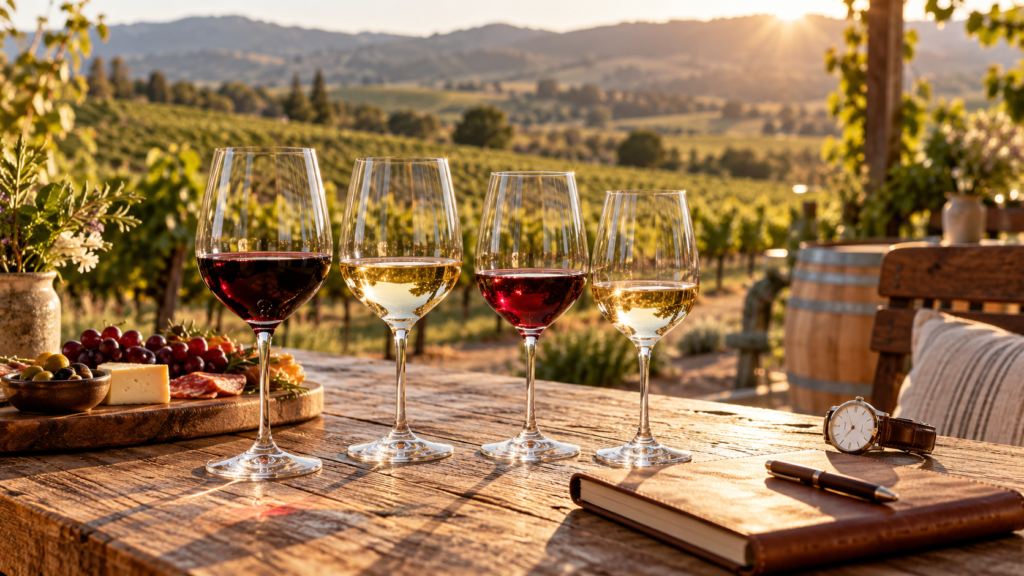
- Compare dry vs. slightly sweet wines side by side
- Learn how aroma influences taste
- Discover unexpected favorites
You might walk in thinking you love sweet wine…
…and leave with a new appreciation for a structured red.
That’s the magic of tasting in person.
Common Mistakes Beginners Make When Choosing Wine
Mistake #1: Judging by Name Alone
A wine’s name doesn’t always indicate sweetness.
Mistake #2: Avoiding Dry Wines Too Quickly
Many dry wines are incredibly smooth and approachable.
Mistake #3: Sticking to One Type
Exploration is key, your taste evolves with experience.
How Your Preferences Can Evolve Over Time
Wine taste isn’t fixed.
Many people start with sweeter wines and gradually:
- Appreciate acidity
- Enjoy tannins
- Prefer more complex profiles
It’s similar to developing a taste for dark chocolate or espresso.
How Food Pairings Change the Perception of Sweetness
One of the most overlooked aspects of wine tasting is how dramatically food can alter your perception of sweetness.
A wine that tastes dry on its own can suddenly feel:
- Softer
- Fruitier
- Even slightly sweet
…when paired with the right dish.
Why This Happens
Your palate doesn’t evaluate wine in isolation. Instead, it constantly compares flavors.
For example:
- Salty foods reduce the perception of bitterness → making wines feel smoother
- Sweet foods make wines taste drier by comparison
- Acidic dishes enhance freshness in wine
Practical Example
Try this simple experiment:
- Sip a dry red wine
- Then take a bite of something salty like cheese
- Sip again
You’ll likely notice the wine feels rounder and less harsh.
This is why tasting experiences at places like Mitchell Katz Winery often emphasize pairing, it unlocks a completely different dimension of flavor.
The Role of Serving Temperature in Dry vs. Sweet Wines
Temperature isn’t just a detail, it can completely reshape how a wine tastes.
Cooler Temperatures:
- Emphasize acidity
- Reduce perceived sweetness
- Make wines feel crisp and refreshing
Warmer Temperatures:
- Enhance aromas
- Increase perceived sweetness
- Soften structure
What This Means for You
If a wine tastes too sweet:
→ Chill it slightly
If a wine feels too sharp or dry:
→ Let it warm up a bit
This small adjustment can make a huge difference, especially during a tasting experience.
Dry vs. Sweet Wine Myths (Debunked)
Myth #1: Sweet Wine Is Only for Beginners
Reality: Many of the world’s most complex wines are sweet (like dessert wines).
Myth #2: Dry Wine Means Bitter
Reality: Dry refers to sugar and not flavor intensity.
Myth #3: White Wine Is Always Sweet
Reality: Many white wines are bone dry.
Myth #4: Expensive Wine Is Always Dry
Reality: Price has nothing to do with sweetness.
Understanding these myths helps you make more confident and informed choices.
How to Build Your Own Dry vs. Sweet Wine Tasting at Home
You don’t need a vineyard to explore your palate.
Step-by-Step:
- Choose 3–5 wines:
- One sweet
- One off-dry
- One fully dry
- Taste in order:
- Start with sweet → end with dry
- Take notes:
- Sweetness level
- Acidity
- Texture
- Compare side-by-side
This mirrors the educational experience you’d find at a professional tasting, like those offered in Livermore Valley.
Understanding Wine Labels Beyond Sweetness
Wine labels can feel confusing, but they offer useful clues.
Look For:
- Alcohol percentage
- Region
- Grape variety
For example:
- Higher alcohol often = drier wine
- Cooler regions often produce higher acidity wines
Learning to read labels helps you predict taste before opening the bottle.
How Acidity and Tannins Influence Sweetness Perception
Sweetness isn’t just about sugar, it’s about balance.
Acidity:
- Makes wine feel fresher
- Reduces perceived sweetness
Tannins (mostly in red wines):
- Add structure
- Create a drying sensation
A wine with high acidity and tannins can feel very dry, even if it contains a small amount of sugar.
This is why wine tasting is as much about texture and structure as it is about flavor.
Choosing Wine for Social Occasions and Events
Your wine choice should match the setting and not just your personal taste.
For Mixed Groups:
- Choose balanced or slightly off-dry wines
- These appeal to a wider range of palates
For Dinner Parties:
- Pair wine with the meal
- Consider how flavors interact
For Celebrations:
- Slightly sweeter wines are often crowd-pleasers
Understanding dry vs. sweet wine helps you choose confidently for any occasion.
Why Livermore Valley Is Ideal for Exploring Wine Preferences
Few places offer the diversity and accessibility of Livermore Valley.
Here, you can:
- Taste multiple styles in one visit
- Compare dry and fruit-forward wines side by side
- Learn directly from knowledgeable staff
A visit to Mitchell Katz Winery provides a perfect environment to refine your palate.
You’re not just drinking wine, you’re discovering what you truly enjoy.
Final Thoughts: There’s No “Right” Taste, Only Yours
The debate between dry vs. sweet wine isn’t about which is better.
It’s about what you enjoy most.
The best way to find out?
- Taste widely
- Stay curious
- Trust your palate
Whether you prefer bright and sweet or bold and dry, the journey is what makes wine exciting.
FAQs
Does chilling wine make it less sweet?
Yes—cooler temperatures reduce perceived sweetness and enhance acidity.
Why does dry wine sometimes taste fruity?
Fruit flavors come from grapes, not sugar—so a wine can be fruity but still dry.
Can I train my palate to like dry wine?
Absolutely. Exposure and experience often shift preferences over time.
What wine should I try first as a beginner?
Start with off-dry wines, then explore both sweeter and drier styles.