Walking into a winery for the first time is exciting. The atmosphere is inviting, the aromas are enticing, and the anticipation of discovering a new favorite wine adds to the experience. Then you’re handed a tasting menu filled with unfamiliar grape varieties, tasting notes, vineyard names, vintages, and wine terminology that can seem overwhelming.
The good news is that you don’t need to be a certified sommelier to understand a wine tasting menu. With a little knowledge, you’ll quickly learn how to read each section, understand what you’re ordering, and confidently select wines you’ll genuinely enjoy.
Whether you’re planning your first visit to Mitchell Katz Winery in Livermore Valley or exploring wineries anywhere in California wine country, understanding a tasting menu transforms your visit from simply sampling wine into appreciating the craftsmanship behind every pour.
By the end of this guide, you’ll know exactly what each part of a wine tasting menu means, why wines are presented in a particular order, and how to choose wines that match your personal preferences.
Why Wine Tasting Menus Matter
A wine tasting menu is much more than a list of wines. Think of it as a roadmap designed to help guests experience a winery’s unique style and philosophy.
Every winery carefully curates its tasting flights to showcase different grape varieties, winemaking techniques, vineyard sites, or seasonal releases. Rather than serving wines randomly, the menu is intentionally organized to help each wine shine.
A thoughtfully designed tasting menu helps visitors:
- Experience wines in their ideal order
- Learn about different grape varieties
- Compare styles side by side
- Discover wines they may not normally choose
- Understand what makes the winery unique
Boutique wineries such as Mitchell Katz Winery often use tasting menus to introduce guests to small-lot wines that may not be widely available elsewhere. This creates a more personal and educational experience than simply ordering a single glass of wine.
Understanding the Layout of a Wine Tasting Menu
Although every winery designs its menu differently, most include similar information.
Wine Name
The first item you’ll notice is the wine’s name.
Sometimes this simply identifies the grape variety, such as:
- Cabernet Sauvignon
- Chardonnay
- Sauvignon Blanc
- Merlot
Other wines may feature proprietary names created by the winery, especially blends. These unique labels often represent the winery’s signature style rather than a single grape variety.
Vintage
The vintage refers to the year the grapes were harvested.
For example:
2023 Sauvignon Blanc
This means the grapes were picked during the 2023 growing season.
Vintage matters because weather conditions vary every year. Cooler seasons may produce wines with brighter acidity, while warmer years often create richer, fuller-bodied wines.
Learning to notice vintages adds another layer of appreciation during your tasting.
Wine Variety
Many tasting menus clearly indicate which grape was used.
Examples include:
- Cabernet Sauvignon
- Syrah
- Petite Sirah
- Viognier
- Zinfandel
If a wine is a blend, the menu may list the percentages of each grape used.
Understanding the grape variety gives you immediate clues about the wine’s expected body, flavor profile, and structure.
Decoding Common Wine Terms
Wine menus often include descriptive language that sounds sophisticated but is actually quite approachable once you know what the terms mean.
Dry
One of the most misunderstood wine terms.
Dry doesn’t mean the wine lacks fruit.
Instead, it means very little natural sugar remains after fermentation.
Dry wines can still taste fruity because of flavors like blackberry, peach, cherry, or citrus.
Sweet
Sweet wines contain more residual sugar and offer noticeable sweetness.
Dessert wines are obvious examples, but some white wines can also lean slightly sweet while maintaining refreshing acidity.
Body
Body refers to how heavy or rich the wine feels in your mouth.
Generally speaking:
- Light-bodied wines feel delicate.
- Medium-bodied wines offer balance.
- Full-bodied wines feel richer and more powerful.
Comparing body is similar to comparing beverages:
- Skim milk
- Whole milk
- Heavy cream
Each has increasing richness despite being similar products.
Acidity
Acidity gives wine its freshness and liveliness.
High-acid wines feel crisp and refreshing.
Lower-acid wines often seem softer and rounder.
Acidity is especially important when pairing wine with food because it helps balance rich flavors.
Tannins
Tannins are naturally occurring compounds found primarily in red wines.
They create the drying sensation you feel on your gums after drinking certain wines.
Young Cabernet Sauvignon typically has firmer tannins than Pinot Noir.
As wines age, tannins gradually soften, creating smoother textures.
Finish
The finish describes how long the flavors remain after swallowing.
A longer finish generally indicates greater complexity and craftsmanship.
Rather than disappearing immediately, premium wines continue evolving on your palate for several seconds or even minutes.
Understanding Wine Flights
One of the most important sections of a tasting menu is the tasting flight itself.
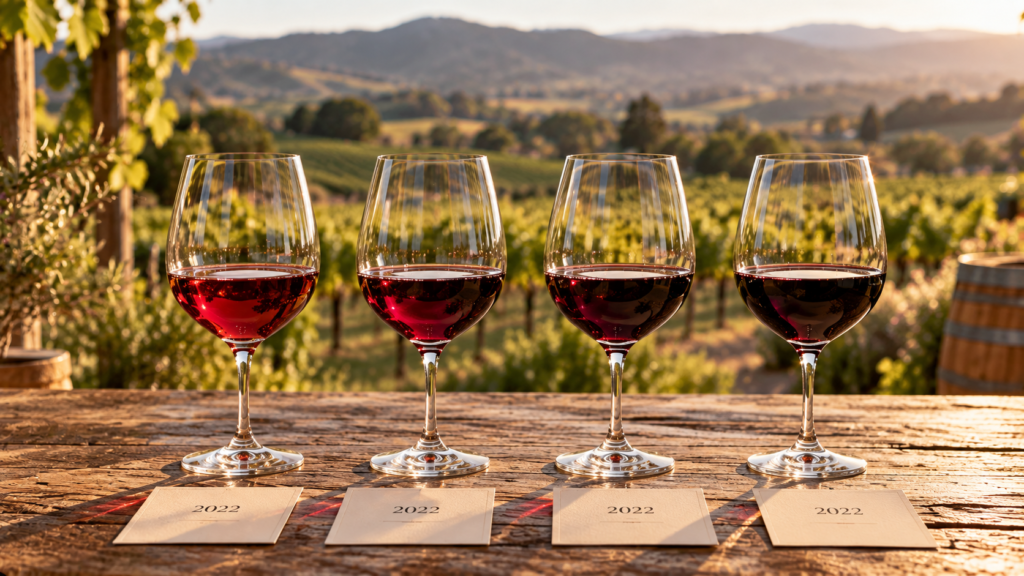
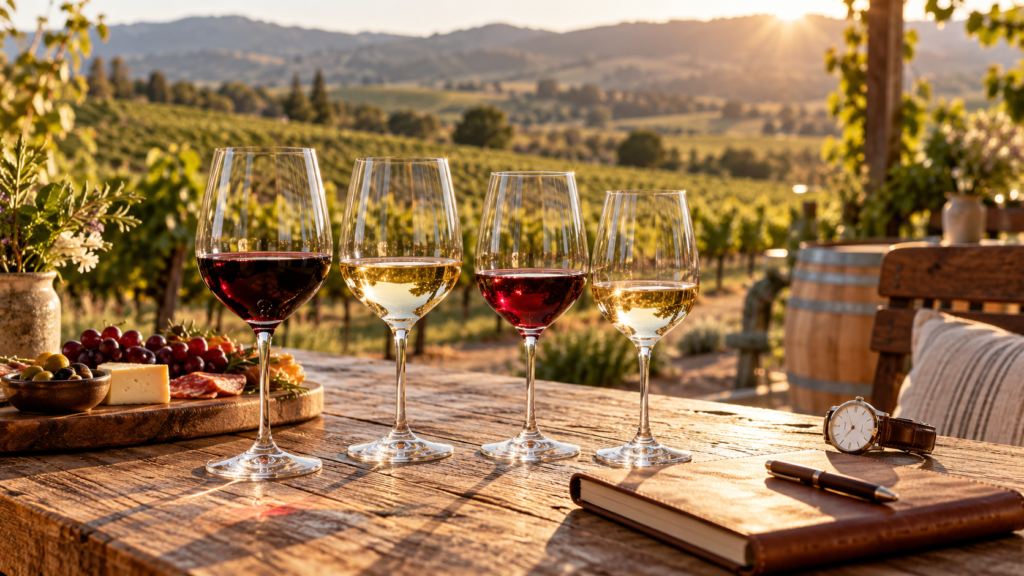
A flight is a carefully selected group of wines served together for comparison.
Instead of focusing on one bottle, guests experience multiple styles in a single visit.
Flights may be organized around:
- White versus red wines
- Estate selections
- Reserve wines
- Seasonal releases
- Small-lot production
- Vineyard designations
- Winemaker favorites
Each approach tells a different story about the winery.
At Mitchell Katz Winery, tasting flights provide guests with an opportunity to explore the diversity of Livermore Valley while experiencing the craftsmanship behind each small-lot wine.
Rather than rushing through each pour, take time to compare similarities and differences.
Notice how aromas evolve.
Observe changes in body.
Pay attention to how acidity and tannins interact.
These comparisons often become the most memorable part of the tasting experience.
Why Wines Are Served in a Specific Order
If you’ve ever noticed that white wines arrive before reds, there’s a good reason.
Professional tastings follow an intentional progression that prevents stronger wines from overpowering lighter ones.
The general sequence is:
- Sparkling wines
- Light white wines
- Fuller-bodied white wines
- Rosé wines
- Light reds
- Medium-bodied reds
- Full-bodied reds
- Dessert wines
Imagine beginning with a bold Petite Sirah before tasting a delicate Sauvignon Blanc.
The intense tannins and concentrated fruit would make it difficult to appreciate the white wine’s subtle aromas.
Serving lighter wines first allows every pour to be experienced as intended.
This progression is one of the easiest clues for understanding a tasting menu like a professional.
Putting It All Together at Mitchell Katz Winery
Now that you know how to read a wine tasting menu, your next winery visit can become a richer, more engaging experience.
When you arrive at Mitchell Katz Winery in Livermore Valley, start by reviewing the tasting menu before your first pour. Notice how the wines are organized, whether by style, vintage, or tasting flight.
Read each tasting note carefully, looking for clues about body, acidity, fruit character, and structure. As each wine is poured, compare what you taste with the menu’s description. You may notice aromas or flavors that weren’t immediately obvious, and that’s part of the fun. Wine is deeply personal, and every palate experiences it a little differently.
As you move through the tasting, pay attention to how each wine builds on the previous one. A bright white may prepare your palate for a richer Chardonnay, while elegant reds gradually lead into more structured selections. This intentional progression helps you appreciate the craftsmanship behind each bottle.
If a particular wine stands out, ask what makes it unique. Perhaps it’s produced from a specific vineyard block, aged in a certain type of oak, or released only in limited quantities. These stories add depth to the tasting and help you connect with the wine beyond what’s in your glass.
Most importantly, enjoy the experience. Wine tasting isn’t about identifying every aroma perfectly or using technical language. It’s about exploring new flavors, learning something new, and sharing memorable moments with friends and family.
Final Thoughts
A wine tasting menu is much more than a list of wines, it’s an invitation to explore a winery’s story, philosophy, and craftsmanship. Once you understand how to read it, you’ll approach every tasting with greater confidence and curiosity.
From understanding grape varieties and vintages to interpreting tasting notes and recognizing why wines are served in a specific order, these simple skills can transform the way you experience wine.
Whether you’re visiting Mitchell Katz Winery for the first time or returning to discover new releases, taking a few moments to understand the tasting menu will help you appreciate each pour on a deeper level. You’ll leave not only with a favorite bottle but also with a greater understanding of the artistry that takes every wine from vine to glass.
FAQs
What is a wine tasting menu?
A wine tasting menu is a curated list of wines offered during a tasting experience. It typically includes the wine name, vintage, grape variety, tasting notes, and the order in which the wines will be served.
Why are wines served in a specific order during a tasting?
Wineries usually serve wines from lighter to fuller-bodied styles so that delicate flavors aren’t overshadowed by more robust wines. This progression helps visitors appreciate the unique characteristics of each pour.
How do I know which wine I’ll enjoy most?
Reading tasting notes is a great place to start. Descriptions mentioning citrus, crisp acidity, and minerality often indicate lighter wines, while notes of blackberry, oak, vanilla, and firm tannins point toward fuller-bodied selections.
Do I need wine knowledge before visiting a winery?
Not at all. Winery staff are there to guide you through the experience. Asking questions and trying different wines is one of the best ways to build your confidence and discover your personal preferences.
What should I ask during a wine tasting?
Consider asking about food pairings, vineyard sources, aging potential, limited-production wines, or the winemaker’s recommendations. These conversations can make your tasting experience even more rewarding.