Wine lovers often ask why one bottle of the same wine tastes slightly different from another made just a year earlier. The label may feature the same winery, the same vineyard, and even the same grape variety, yet the aromas, flavors, texture, and finish can all evolve from one vintage to the next.
The answer lies in one of wine’s most fascinating qualities: every vintage tells the story of a unique growing season.
Unlike manufactured products that aim for perfect consistency, fine wine reflects nature. Rainfall, sunshine, temperature swings, wind, and harvest conditions all influence how grapes develop throughout the year. Winemakers guide the process with skill and experience, but they don’t control the weather. Instead, they work alongside it.
For wine enthusiasts, this natural variation is part of the magic. Each vintage captures a snapshot of a particular year, preserving the conditions of the vineyard long after harvest has ended.
At Mitchell Katz Winery in Livermore Valley, every vintage is viewed as an opportunity to express the unique character of both the vineyard and the growing season. Rather than forcing wines into a rigid style, the goal is to allow each year’s conditions to shine while maintaining exceptional balance, structure, and quality.
What Is a Wine Vintage?
A vintage refers to the year the grapes used to make a wine were harvested.
When you see “2024” or “2025” on a wine label, that number represents the growing season and not the year the wine was bottled.
Although this seems simple, that single number carries an incredible amount of information.
It reflects:
- Winter rainfall
- Spring temperatures
- Summer heat
- Cool evening temperatures
- Harvest timing
- Overall grape ripeness
In other words, a vintage is nature’s signature.
Two Cabernet Sauvignons grown on the same vines can taste noticeably different simply because one season experienced a cooler spring while another enjoyed warmer days and longer ripening periods.
This natural diversity is one of the reasons collectors, sommeliers, and wine enthusiasts often discuss vintages with such enthusiasm.
The Vineyard Year: Weather Shapes Every Stage
To understand why vintages differ, it helps to follow the vineyard through an entire growing season.
Winter Dormancy: Preparing for a New Beginning
After harvest, grapevines enter dormancy.
Although the vineyard appears quiet, important work is happening underground. Roots continue storing nutrients while vines recover from the previous season.
Winter weather plays an essential role.
Adequate rainfall replenishes groundwater and soil moisture, giving vines a healthy start when spring arrives.
If winter is unusually dry, vineyards may begin the growing season under additional stress. Conversely, excessive rain can increase disease pressure and affect soil conditions.
Every vintage begins long before the first grape appears.
Spring Bud Break
As temperatures rise, tiny buds begin emerging from the vine.
This stage, known as bud break, signals the official beginning of the new vintage.
Weather becomes especially important here.
Late spring frosts can damage delicate new shoots, reducing yields before the season truly begins.
Fortunately, Livermore Valley enjoys a relatively mild Mediterranean climate that lowers the risk of severe frost compared to many wine-growing regions.
Warm, stable spring weather allows vines to establish healthy canopies that support grape development throughout the season.
Flowering: Tiny Blossoms Become Future Grapes
Several weeks later, vines begin flowering.
Unlike colorful garden flowers, grapevine blossoms are small and easy to overlook.
This brief stage determines how many grapes each cluster may eventually produce.
Flowering depends heavily on calm weather.
Strong winds, rain, or unusually cool temperatures can interrupt pollination, leading to fewer grapes developing on each cluster.
A smooth flowering season often sets the stage for balanced yields and consistent fruit quality later in the year.
Fruit Set: Building the Crop
After flowering comes fruit set, when tiny berries begin forming.
At first, these grapes are hard, green, and surprisingly small.
Their early development depends on moderate weather and healthy vine growth.
If vines become stressed from excessive heat or insufficient moisture too early, berry size and overall yield may decrease.
Interestingly, smaller berries aren’t always a disadvantage.
Smaller grapes often contain a higher ratio of skins to juice, producing wines with deeper color, richer tannins, and greater concentration.
Nature rarely follows simple rules, and every growing season presents its own opportunities.
Veraison: The Vineyard Changes Color
One of the most beautiful moments in the vineyard occurs during veraison.
Green grapes gradually soften and begin changing color.
Red varieties transform into shades of purple, crimson, and deep blue, while white grapes shift toward golden-green.
At this point, sugar levels increase while acidity slowly decreases.
Warm sunny days encourage ripening, but equally important are cool nighttime temperatures.
Livermore Valley’s well-known diurnal temperature swings help preserve acidity while allowing grapes to develop complex flavors.
This balance between warm days and cool nights contributes to wines that feel both expressive and fresh.
Ripening: Flavor Development Accelerates
As harvest approaches, grapes undergo dramatic changes.
Sugars continue rising.
Acidity gradually softens.
Seeds mature.
Tannins become smoother.
Most importantly, flavor compounds develop.
This is when Cabernet Sauvignon begins showing blackcurrant notes.
Merlot develops plum and cherry characteristics.
Syrah reveals blackberry and pepper.
Zinfandel expresses ripe berry flavors alongside spice.
The pace of ripening depends almost entirely on weather.
Cool seasons often produce:
- Higher acidity
- Brighter fruit
- Lower alcohol
- Elegant structure
Warmer seasons may produce:
- Fuller body
- Richer fruit
- Softer tannins
- Higher alcohol
- Greater concentration
Neither style is inherently better.
Each offers a different expression of the vineyard.
Harvest: The Most Important Decision
Harvest timing is perhaps the single most critical decision a winemaker makes.
Picking too early may preserve acidity but sacrifice flavor development.
Waiting too long can produce overly ripe fruit with diminished freshness.
Winemakers constantly monitor:
- Sugar levels
- Acidity
- Seed maturity
- Skin development
- Flavor evolution
- Weather forecasts
A sudden heatwave can accelerate ripening dramatically.
Unexpected rain near harvest may dilute flavors or increase disease pressure.
Every vintage requires careful observation rather than following the calendar.
Experienced winemakers understand that perfect harvest dates change every year.
How Mitchell Katz Winery Adapts to Every Vintage
While weather influences every growing season, experienced winemakers understand that great wine is never left entirely to chance. The role of the vineyard and cellar team is to observe, adapt, and make thoughtful decisions that allow each vintage to express its best qualities.
At Mitchell Katz Winery, winemaking begins long before grapes reach the crush pad. Every season is approached with careful attention to vineyard conditions, recognizing that no two years and no two vineyard blocks develop in exactly the same way.
Rather than expecting nature to follow a fixed schedule, the team evaluates each stage of the growing season independently.
Vineyard Management That Responds to Nature
Every growing season presents different opportunities and challenges.
In cooler years, canopy management may focus on allowing additional sunlight to reach the fruit, encouraging even ripening.
During warmer seasons, maintaining healthy leaf coverage can help protect grape clusters from excessive afternoon heat while preserving fresh fruit characteristics.
Irrigation decisions also vary from vintage to vintage. Water management isn’t simply about helping vines survive, it is about encouraging balanced growth while allowing grapes to develop concentration and complexity. Small adjustments throughout the season can have a meaningful impact on fruit quality by harvest.
Crop management is another important consideration. If vines produce more fruit than they can ripen evenly, selective thinning helps concentrate the vine’s energy into the remaining clusters. Conversely, in lighter-yielding years, preserving healthy fruit becomes especially important.
These practices aren’t about forcing grapes to behave a certain way. Instead, they help each vineyard reach its fullest potential under the conditions nature provides.
Harvest Decisions Based on Flavor, Not Just Numbers
One of the biggest misconceptions about harvest is that it happens when grapes reach a specific sugar level.
In reality, experienced winemakers evaluate many factors simultaneously.
A vineyard may show ideal sugar readings while tannins remain slightly green. Another block may have excellent flavor development even though laboratory measurements suggest additional time could be beneficial.
Harvest decisions often include evaluating:
- Fruit aroma
- Skin texture
- Seed maturity
- Natural acidity
- Sugar accumulation
- Weather forecasts
- Overall vineyard balance
Sometimes neighboring vineyard blocks are harvested days or even weeks apart because each ripens at its own pace.
This careful attention helps preserve the individuality of every vintage while maintaining the winery’s commitment to quality.
Gentle Winemaking Preserves Vintage Character
Once grapes arrive at the winery, the goal becomes preserving what the vineyard has already created.
Fermentation, aging, and blending are carefully managed to showcase each vintage rather than mask it.
Oak aging, for example, is selected to complement the fruit instead of overwhelming it. The objective is harmony, allowing vineyard character, varietal expression, and seasonal influence to work together.
Every decision in the cellar supports the same philosophy: let the vintage speak for itself.
Why Vintage Variation Makes Wine More Exciting
For those new to wine, vintage differences can seem intimidating.
Many people assume they should always search for the “best” year.
In reality, experienced wine enthusiasts often appreciate the diversity that different vintages provide.
Imagine reading the same novel every year with identical characters, identical dialogue, and an identical ending.
Eventually, the story would lose its sense of discovery.
Wine is different.
Each vintage offers another chapter.
One Cabernet Sauvignon may emphasize blackberry and cocoa.
Another may lean toward cassis, cedar, and graphite.
One Merlot may appear plush and generous, while the following year displays brighter cherry fruit and lively acidity.
These differences don’t indicate inconsistency.
They demonstrate authenticity.
Because wine is an agricultural product, it naturally reflects the season that produced it.
This connection to time and place is one of the qualities that distinguishes fine wine from many other beverages.
Every Bottle Becomes a Memory
Vintage variation also adds a deeply personal dimension to enjoying wine.
A bottle often reminds us of the year it represents.
Perhaps it recalls an unusually cool summer, a memorable vacation, a family celebration, or an exceptional harvest season.
Opening an older vintage becomes more than tasting wine.
It becomes revisiting a moment in time.
Collectors often build vertical tastings, multiple vintages of the same wine, not because they expect identical bottles, but because they want to experience how the vineyard evolved from one season to the next.
Few agricultural products tell such a vivid story of changing weather, changing seasons, and changing years.
Appreciating Every Vintage
Understanding vintage variation transforms the way many people experience wine.
Instead of asking whether one vintage is “better” than another, the more interesting question becomes:
“What story does this vintage have to tell?”
A warmer growing season may create generous fruit and velvety textures.
A cooler year may reward patience with elegance, freshness, and remarkable aging potential.
Both reflect the same vineyard through different natural conditions.
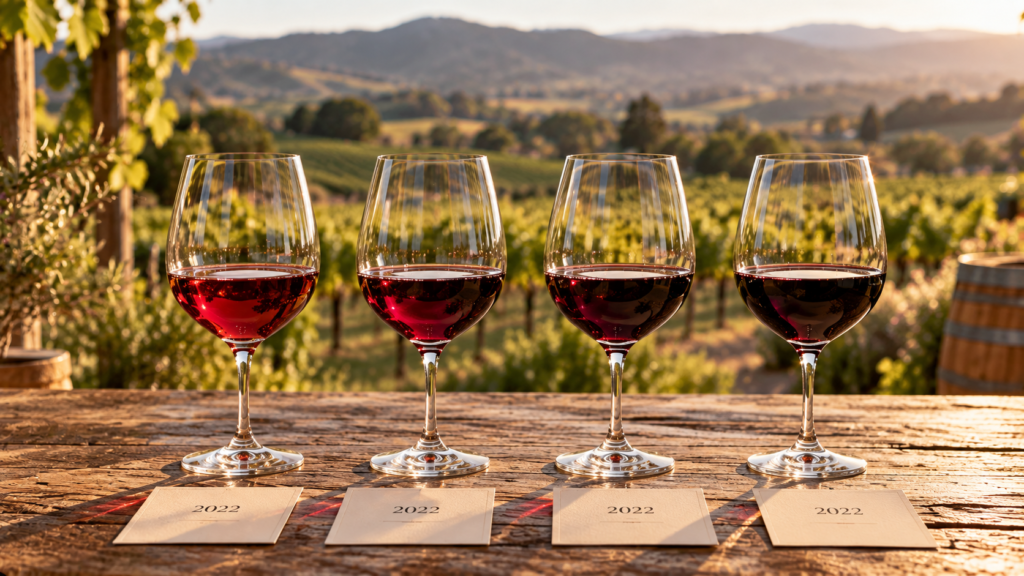
For visitors to Mitchell Katz Winery, tasting multiple vintages can be one of the most rewarding experiences available. Comparing wines from different years highlights how subtle shifts in weather influence aroma, texture, balance, and complexity while showcasing the consistent craftsmanship that ties every vintage together.
Rather than seeking perfect uniformity, Mitchell Katz Winery celebrates what makes every harvest unique. That philosophy allows each bottle to capture not only the character of Livermore Valley but also the distinctive personality of the growing season itself.
In the end, that is one of wine’s greatest gifts.
Every bottle represents a conversation between nature and the people who carefully nurture it from vineyard to glass.
No two years are exactly alike.
And that’s precisely what makes every vintage worth discovering.
FAQs
Does weather really affect the taste of wine?
Yes. Temperature, rainfall, sunshine, wind, and harvest conditions all influence grape development. These factors affect sugar levels, acidity, tannins, aromas, and flavor compounds, resulting in wines that differ from one vintage to another.
Is an older vintage always better?
Not necessarily. Some wines improve with age, while others are crafted to be enjoyed young. The ideal vintage depends on the grape variety, winemaking style, storage conditions, and personal taste.
Why do wineries list the vintage on the bottle?
The vintage identifies the year the grapes were harvested. It provides insight into the growing season and helps consumers understand the environmental conditions that influenced the wine.
Why do wines from the same winery taste different each year?
Because weather changes annually. Even when the same vineyard and winemaking methods are used, seasonal differences naturally influence grape composition, creating subtle variations in the finished wine.
Does Livermore Valley’s climate help produce balanced wines?
Yes. Livermore Valley benefits from warm days, cool evenings, and a long growing season. These conditions encourage grapes to develop concentrated flavors while retaining the natural acidity that contributes to balanced, age-worthy wines.
Can vintage variation improve food pairings?
Absolutely. Brighter, cooler-climate vintages often pair beautifully with lighter dishes, while richer, warmer vintages complement heartier meals. Exploring different vintages can add an entirely new dimension to food and wine pairing.