Introduction: A Tale of Two Reds
Cabernet Sauvignon and Merlot are two of the most iconic red wine varietals in the world. Though often discussed together, they offer distinct experiences. At Mitchell Katz Winery in Livermore Valley, these two wines are not just produced—they are celebrated. This blog explores how both varietals thrive in California terroir and how Mitchell Katz crafts them into standout expressions of quality and flavor.
Cabernet Sauvignon and Merlot: The Origins and Global Identity
Cabernet Sauvignon hails from Bordeaux, France, a natural cross between Cabernet Franc and Sauvignon Blanc. Known for its bold structure and aging potential, it has become the most widely planted red wine grape in the world.
Merlot, also from Bordeaux, was once the most popular varietal globally due to its plush, approachable profile. While sometimes overshadowed by its Cabernet cousin, Merlot’s soft tannins and ripe fruit make it a beloved choice for casual drinkers and connoisseurs alike.
California’s Expression: How the Golden State Shapes These Varietals
California’s diverse climate and topography allow for a wide range of expressions in both Cabernet and Merlot. In regions like Livermore Valley, winemakers harness hot days and cool nights to balance fruit ripeness with acidity.
Cabernet here tends to be bold, with ripe blackberry, cassis, and hints of eucalyptus or tobacco. Merlot often leans toward plummy richness with mocha, cherry, and soft tannins.
The Livermore Valley Advantage: Terroir, Microclimate, and Character
Livermore Valley is one of California’s oldest wine regions, with vineyards dating back to the 1800s. Its unique east-west orientation invites maritime breezes that cool the vines in the evening, preserving acidity while promoting full flavor development.
Mitchell Katz takes full advantage of this terroir, growing grapes in well-drained gravelly soils and leveraging the diurnal shift to enhance complexity in both Cabernet and Merlot.
Mitchell Katz Winery’s Cabernet Sauvignon: A Closer Look
Mitchell Katz Cabernet Sauvignon is known for its intensity and elegance. Aged in oak barrels, it features robust notes of blackcurrant, graphite, cedar, and spice. The tannin structure is firm but refined, making it age-worthy while still accessible young.
Single-vineyard selections highlight subtle differences in soil and sun exposure, delivering nuanced bottles that reward both casual sipping and cellar aging.
Mitchell Katz Winery’s Merlot: The Plush Rival
Contrary to stereotypes, Mitchell Katz’s Merlot is anything but boring. It’s rich, velvety, and complex. Layers of dark cherry, plum, cocoa, and vanilla unfold with each sip. Lower tannins and a silkier mouthfeel make it a great introductory red, but the depth of flavor ensures it holds its own among more robust reds.
The winery’s small-batch approach enhances Merlot’s elegance and allows its smooth finish to shine.
Side-by-Side: Flavor Profile Comparison
| Characteristic | Cabernet Sauvignon | Merlot |
|---|---|---|
| Body | Full | Medium to Full |
| Tannins | High | Medium |
| Acidity | Medium to High | Medium |
| Flavor Notes | Blackcurrant, Cedar, Tobacco | Plum, Cherry, Mocha |
| Aging Potential | 10+ years | 5-7 years |
Tannin, Acidity, and Aging: Key Structural Differences
Cabernet Sauvignon is defined by its tannic backbone. These tannins act as a natural preservative, helping the wine age gracefully for over a decade. The acidity also helps balance the bold fruit, making it food-friendly.
Merlot has softer tannins and lower acidity, making it more immediately drinkable. While it doesn’t age as long, it evolves beautifully over a 5-7 year window.
Winemaking Techniques at Mitchell Katz: Cabernet vs. Merlot
Mitchell Katz employs tailored techniques for each varietal. For Cabernet, longer maceration and oak aging intensify the structure and flavor complexity. French oak is typically used for its subtle spice and integration.
For Merlot, the winery often employs shorter maceration and uses a mix of French and American oak to highlight fruit while adding warmth and roundness.
Food Pairings: Local Favorites and Culinary Matches
Cabernet Pairings:
- Grilled ribeye steak
- Rosemary lamb chops
- Aged cheddar or Gouda
Merlot Pairings:
- Roast chicken or pork tenderloin
- Mushroom risotto
- Brie or Camembert
Local Livermore Valley cuisine—from wood-fired pizzas to gourmet burgers—pairs exceptionally well with both.
Serving, Storing, and Aging: Tips for Enthusiasts
Cabernet Sauvignon
- Decant for 30–60 minutes before serving
- Serve at 60–65°F
- Store bottles horizontally in a cool, dark place
Merlot
- Can be enjoyed younger, decanting optional
- Serve at 58–60°F
- Best consumed within 5–7 years
Visitor Insights: Tasting Cabernet and Merlot at the Winery
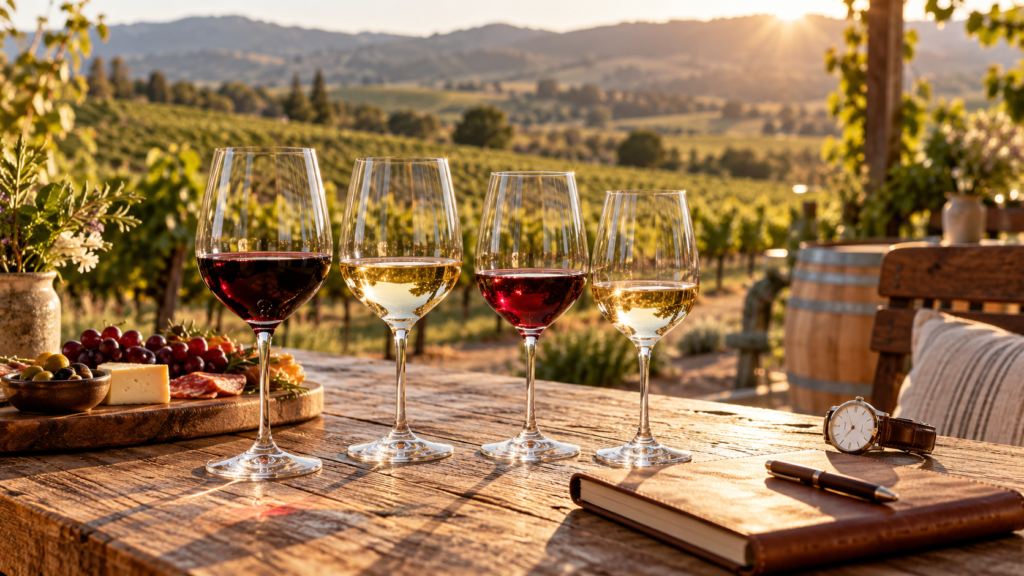
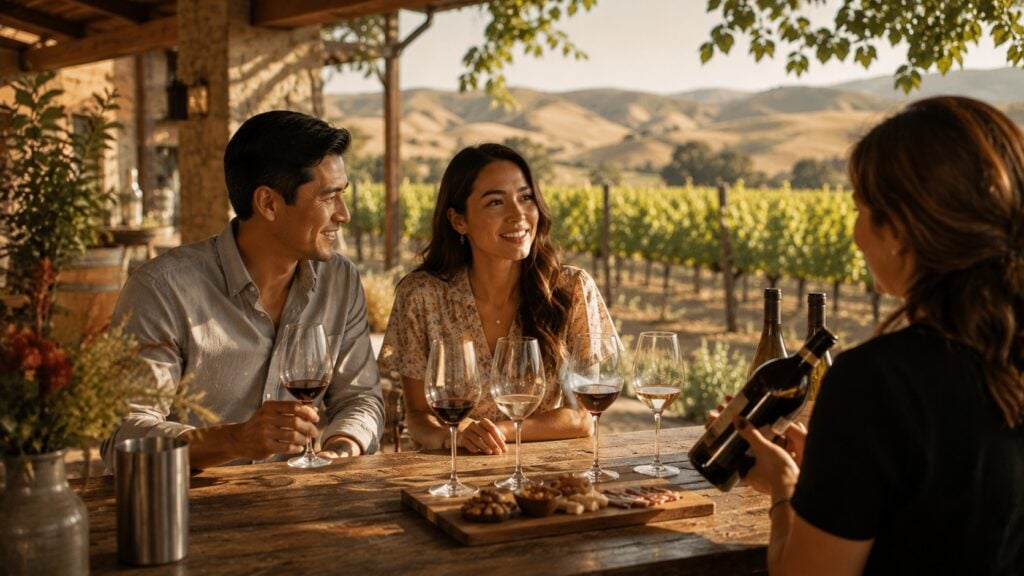
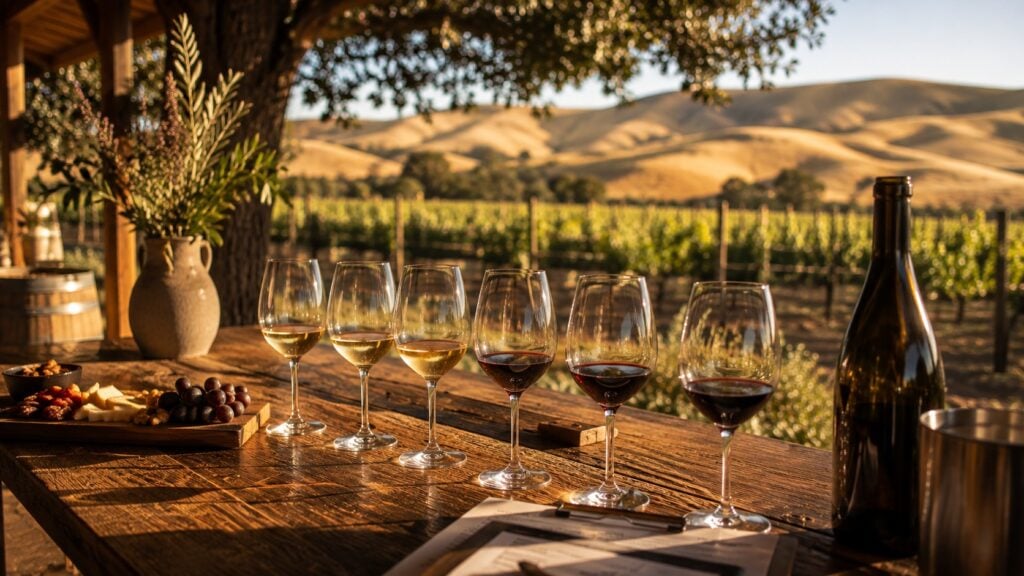
Taste our Cabernet and Merlot side-by-side at a Mitchell Katz Winery wine tasting. Visitors can experience both wines in a picturesque setting overlooking vineyards. Staff provide guided tastings, offering insight into production methods, flavor distinctions, and food pairing tips.
Seasonal events, barrel tastings, and member-exclusive releases offer additional opportunities to explore these varietals.
Expert Opinions and Awards: Recognition of Mitchell Katz Reds
Mitchell Katz Cabernet and Merlot have earned praise in regional wine competitions and from critics alike. Judges consistently highlight balance, varietal expression, and drinkability.
In blind tastings, the winery’s Merlot often surprises with its depth, while the Cabernet stands out for its bold, structured elegance.
Choosing Your Wine: When to Reach for Cabernet, When for Merlot
Choose Cabernet Sauvignon when:
- You’re serving rich meats or bold cheeses
- You enjoy structured, age-worthy wines
- You want a wine to cellar or pair with celebratory meals
Choose Merlot when:
- You’re introducing someone to red wine
- You’re having a weeknight dinner with roast poultry or pasta
- You crave something smooth, plush, and comforting
Cabernet and Merlot in the Broader Market: Consumer Trends
In recent years, Cabernet Sauvignon has remained a consistent favorite among wine buyers, particularly in the U.S. due to its strong character and food pairing versatility. Merlot, while facing some challenges in the early 2000s, is experiencing a resurgence as drinkers rediscover its plushness and balance.
At Mitchell Katz Winery, the demand for both varietals remains high. Cabernet appeals to seasoned wine collectors, while Merlot draws newer drinkers who appreciate a softer profile. Seasonal club offerings and limited editions allow enthusiasts to explore the spectrum these varietals offer.
Educational Events and Tasting Notes at Mitchell Katz Winery
Mitchell Katz Winery regularly hosts educational events designed to deepen guests’ appreciation of wine. These include vertical tastings, where different vintages of the same varietal are sampled side-by-side, and comparative tastings of Cabernet and Merlot.
Attendees learn how aging influences flavor, how tannins evolve, and how to detect subtle changes in bouquet and finish. These events provide a hands-on way to understand the key differences and joys of each wine.
Red Wine Myths: Separating Fact from Fiction
- Myth: Merlot is too simple for serious wine drinkers.
Truth: High-quality Merlot, like that from Mitchell Katz, can be rich, complex, and age-worthy. - Myth: Cabernet is always better than Merlot.
Truth: Better is subjective. Each varietal serves different palates and occasions. - Myth: Red wine must be aged for decades.
Truth: While aging enhances structure, many modern reds, especially Merlot, are crafted for immediate pleasure.
Pairing Wines with the Seasons: When Cabernet or Merlot Shines
Spring & Summer: Merlot’s soft tannins and fruit-forward profile make it a great warm-weather red. Try it slightly chilled with grilled chicken or summer salads.
Fall & Winter: Cabernet steps forward with its bold flavors and structure. It pairs perfectly with roasted meats, stews, and hearty pastas, making it ideal for cooler seasons.
How to Start Your Cellar: Tips Using Mitchell Katz Reds
If you’re beginning a wine collection, Mitchell Katz’s single-vineyard Cabernet and Merlot are excellent starting points. Here are tips to consider:
- Start with variety: Include both Cabernet and Merlot to suit different meals and moods.
- Track vintages: Label and store wines by year to monitor aging potential.
- Store smartly: Keep bottles in a cool, dark place, ideally 55°F, with 60-70% humidity.
- Taste over time: Purchase multiple bottles of the same vintage and taste them every 2–3 years to appreciate their evolution.
Hosting with Red Wine: Cabernet and Merlot for Every Occasion
Hosting with red wine can elevate any gathering from ordinary to unforgettable. Cabernet Sauvignon and Merlot from Mitchell Katz Winery are exceptional choices that bring sophistication, flavor, and conversation to the table.
Casual Get-Togethers
When entertaining close friends or hosting a relaxed backyard dinner, Merlot is your go-to. Its softer tannins and fruity profile pair effortlessly with burgers, grilled veggies, or charcuterie. Slightly chill it for outdoor summer meals. It’s approachable, low-maintenance, and sure to please diverse palates.
Formal Dinners
For a more upscale evening—think roasted duck, filet mignon, or a multi-course experience—Cabernet Sauvignon delivers. Its structure and boldness make it an ideal partner for red meats and complex sauces. Decanting enhances the experience and gives guests something to talk about beyond the food.
Holiday Celebrations
Thanksgiving and Christmas dinners benefit from both varietals. Merlot’s warm, plush notes complement stuffing, cranberry sauce, and glazed ham, while Cabernet brings gravitas to roasts and aged cheeses. Offering both gives guests options and enriches the celebration.
Wine & Cheese Parties
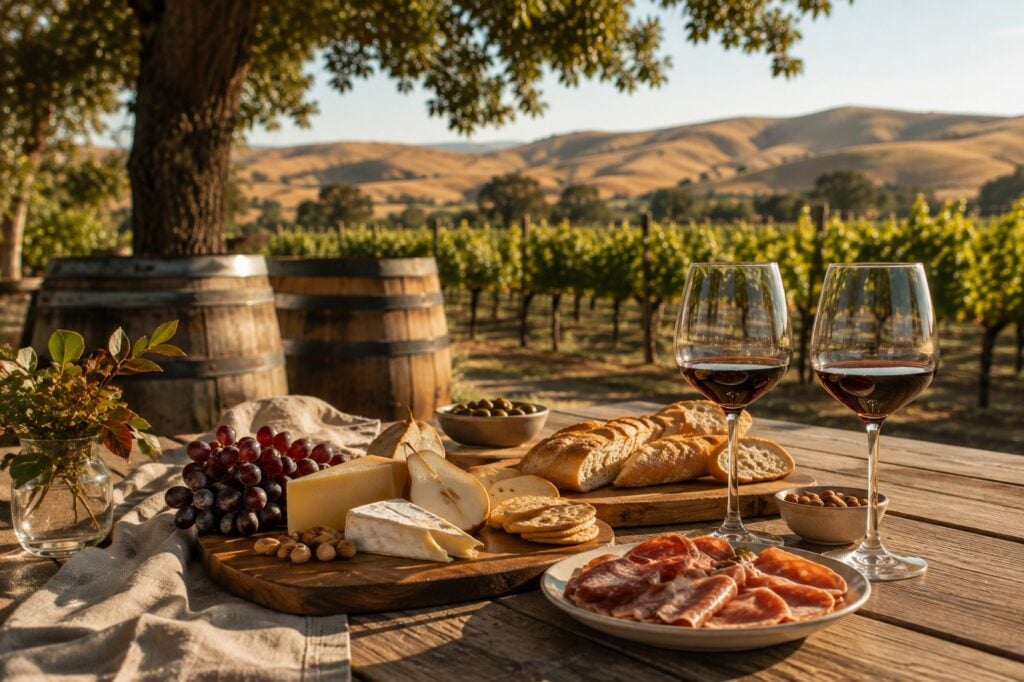
Create a tasting station featuring Cabernet with hard cheeses like aged cheddar or Manchego, and Merlot with creamy Brie or Camembert. Add olives, nuts, and dried fruits for contrast. This duo shines on a tasting board and highlights their complementary nature.
Gifting and Wine Club Sharing
Cabernet and Merlot from Mitchell Katz make excellent gifts. They’re also ideal for wine club sharing—swap bottles with fellow members to discover new pairings and compare vintages. Their balance of approachability and elegance ensures they’ll be well received.
Anniversaries and Milestones
Celebrating a wedding anniversary, promotion, or milestone birthday? Open a bottle of aged Cabernet or a limited-edition Merlot. These wines mark moments and become part of the memory.
Pro Tips for Hosting:
- Label your wines and include tasting notes to guide guests.
- Offer both varietals to accommodate different preferences.
- Have non-alcoholic pairings on hand for inclusivity.
- Set the scene with proper glassware and serving temperatures.
Ultimately, Cabernet and Merlot are not just wines; they’re experiences. When you host with Mitchell Katz reds, you’re not just pouring wine—you’re curating atmosphere, taste, and connection.
Conclusion: Complementary Not Competing
Cabernet Sauvignon and Merlot at Mitchell Katz Winery embody the best of California winemaking. Each varietal, nurtured by the Livermore Valley terroir and crafted with care, offers a unique journey from vine to glass.
Rather than competing, these wines complement one another, offering wine lovers a fuller, richer tasting experience. Whether you’re savoring Cabernet’s bold depth or Merlot’s supple charm, Mitchell Katz Winery ensures that every sip tells a story worth sharing.
FAQ
What’s the main difference between Cabernet Sauvignon and Merlot?
Cabernet Sauvignon is bolder with higher tannins and acidity, making it ideal for aging. Merlot is softer and more approachable, with plush fruit flavors and smoother texture.
Is Merlot a good wine for beginners?
Yes, Merlot’s softer tannins and fruit-forward profile make it a great starting point for new red wine drinkers.
Can you age Merlot from Mitchell Katz Winery?
Absolutely. While not as long-lived as Cabernet, Mitchell Katz Merlot can age gracefully for 5–7 years, gaining depth and complexity.
Which wine pairs best with steak: Cabernet or Merlot?
Cabernet Sauvignon is the go-to for steak due to its structure and tannins, which balance rich meats beautifully.
Does Mitchell Katz Winery grow its own grapes?
Yes, the winery focuses on single-vineyard wines using grapes grown in Livermore Valley, showcasing regional terroir and quality.