Whether you’re a casual wine lover or a dedicated collector, how you store your wine plays a critical role in how it tastes. At Mitchell Katz Winery, we put our hearts into every bottle, from vine to barrel to glass. But once it leaves our cellar, the next chapter is up to you. Proper wine storage ensures that each sip retains the aroma, structure, and flavor our winemakers crafted. This guide will help you store your Mitchell Katz wines in peak condition, whether you’re saving a bottle for a special occasion or savoring a club release at its prime.
Understanding Wine as a Living Product
Wine is not a static product, it’s alive, evolving with time. The complex chemical reactions between acids, tannins, alcohol, and fruit compounds mean that even after bottling, your wine continues to mature. That maturation can result in beautifully integrated flavors or disappointment depending entirely on how the bottle is stored. Understanding wine’s sensitivity to environmental factors is the first step to preserving it.
The Golden Rules of Wine Storage
Temperature
The ideal wine storage temperature is 55°F (13°C). Fluctuating temperatures can cause the wine to expand and contract, pushing the cork or drawing air in. Store your bottles in a location with steady, cool temps and never over 70°F, and never subject to rapid changes.
Humidity
A relative humidity of 60–70% keeps corks from drying out, which helps maintain a tight seal. Too dry, and you risk oxidation; too damp, and mold can form. Humidity is especially crucial if you’re aging bottles long-term.
Light
UV light can prematurely age wine. Dark storage spaces are ideal. If using a wine fridge or cellar, opt for UV-resistant glass or blackout doors.
Vibration
Constant vibration disturbs sediment and speeds up chemical reactions. Avoid storing wine near appliances, sound systems, or busy walkways.
Red vs. White: Tailoring Storage to Wine Type
Red wines (like our Livermore Cabernet Sauvignon or Merlot) are more tolerant of slight temperature variances, but they still require cool, dark environments. Aging reds benefit greatly from cellar storage.
White wines (such as our Chardonnay or Sauvignon Blanc) are more delicate. They need consistently cooler temperatures, ideally between 45°F and 50°F, making a wine fridge an excellent choice.
Storing Opened Wine: Maximizing Freshness
Once a bottle is opened, oxygen becomes both friend and foe. It opens the bouquet but quickly begins degrading the wine.
- Re-cork tightly and store upright
- Use a vacuum pump to remove air
- Store in the fridge—even reds
- Drink within 2–5 days depending on varietal
For premium bottles or club-exclusive vintages, consider wine preservation systems like Coravin.
Wine Fridge, Cellar, or Rack? Choosing the Right Option
Wine Fridge: Best for short to mid-term storage. Dual-zone models let you store reds and whites at different temps. Look for UV-resistant doors and vibration control.
Wine Cellar: Ideal for aging wines long-term. Whether custom-built or a converted basement, maintaining consistent climate control is essential.
Wine Rack: Perfect for everyday access but only if kept in a cool, dark, and stable environment. Avoid kitchens and direct sunlight.
Wine Storage at Home vs. Wine Club Members
If you’re a member of our Mitchell Katz Wine Club, you may receive exclusive or limited-edition bottles meant for aging. These require special attention:
- Label bottles with the vintage year and ideal drinking window
- Keep an inventory of club releases
- Store sideways to keep corks moist
Every shipment is an invitation to build a personal cellar, curated by our winemakers.
How Livermore’s Climate Plays a Role
Livermore Valley’s warm days and cool nights shape the flavor of our wines but that warmth can be a storage hazard in homes without climate control. California sunshine is beautiful but can sneak in through windows, heating rooms where wine is stored. If you’re local, consider:
- Keeping wine away from exterior walls
- Storing in interior closets or cool basements
- Investing in a wine fridge, even for small collections
Common Wine Storage Mistakes to Avoid
- Storing wine in the kitchen: Heat and light are your enemies
- Standing bottles upright long-term: Corks dry out and let air in
- Storing near vibrations: Disrupts delicate aging processes
- Ignoring the cork: Always check for signs of dryness or leakage
- Forgetting about them: Wines have ideal drinking windows. Don’t miss them!
Aging Wines: What to Cellar and Why
Not all wines are meant to age but some Mitchell Katz vintages are built to evolve beautifully over time. Wines with higher tannins, acidity, or structure often improve with age.
Great candidates for aging:
- Reserve Cabernet Sauvignon
- Heritage Red Blend
- Single-vineyard Petite Sirah
Cellaring these wines allows tertiary flavors, like dried fruit, leather, or earth, to develop, turning each bottle into a story.
How to Create a Wine Inventory System
Keeping track of your Mitchell Katz collection helps ensure you drink bottles at their peak and avoid overlooking aging opportunities. Apps like CellarTracker or spreadsheets can help log vintages, varietals, drinking windows, and notes. Use tags or QR codes for faster organization.
Travel and Wine: Transporting Bottles Safely
When traveling with wine especially Mitchell Katz bottles from our tasting room—use insulated wine carriers or molded packaging. Keep bottles horizontal, avoid temperature extremes, and always pack in your carry-on if flying within allowed quantities.
Building a Wine Tasting Space at Home
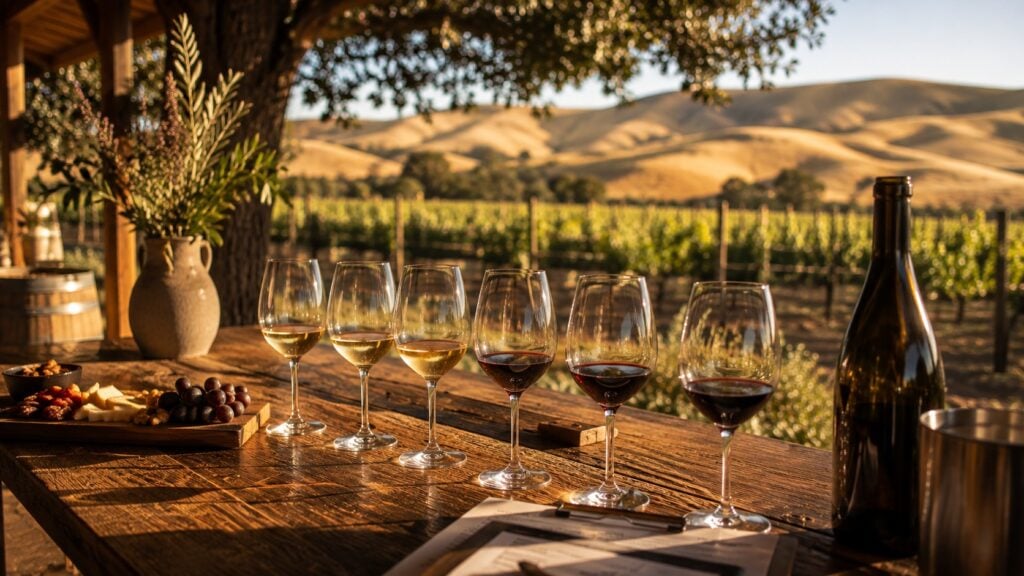
Your wine storage can be functional and experiential. Create a cozy tasting nook near your storage space with wine glasses, decanters, notes, and even some local Livermore Valley maps. This can double as a social spot or solo tasting retreat.
Tech Tools for Wine Storage Management
Smart wine fridges and inventory trackers now offer features like humidity alerts, temperature graphs, and AI-powered suggestions. For Mitchell Katz collectors, these tools add a modern layer of precision to your personal cellar.
The Role of Glass Bottles and Corks in Aging
The chemistry of aging depends on cork integrity and bottle shape. Traditional corks allow minimal oxygen exchange, vital for wines meant to evolve. Mitchell Katz uses high-quality corks designed for both drink-now and age-worthy releases.
Debunking Wine Storage Myths
- Myth: “All wines get better with age.” Truth: Only structured wines age well.
- Myth: “Keep wine in the fridge.” Truth: Regular fridges are too cold.
- Myth: “Screw caps don’t need storage care.” Truth: Temperature still matters!
Pairing Storage with Wine Tasting Goals
Want to host a vertical tasting of Mitchell Katz Cabernets? Proper storage is key. Store wines from multiple vintages side-by-side under identical conditions to create the perfect tasting lineup down the road.
How Winemakers Store Their Own Wine
Ever wonder how winemakers like us at Mitchell Katz store our personal collections? Climate-controlled cellars, bottle rotation, and structured tasting calendars help us age wines with purpose and predict their evolution.
Storing Sparkling Wines: A Different Approach
Sparkling wines (like Mitchell Katz Sparkling Rosé) prefer cooler temps and can be stored upright short-term. For long-term aging, horizontal storage helps keep corks moist. Avoid agitation to preserve bubbles.
Effects of Altitude and Pressure on Stored Wine
Higher elevations affect pressure inside wine bottles. If you live at high altitudes, your storage strategy should minimize pressure swings by maintaining stable temperature and avoiding frequent movement.
Budget-Friendly Wine Storage Hacks
You don’t need a $10K cellar to store Mitchell Katz wine well. Repurpose a cool closet, install budget wine racks, or use a dual-zone mini fridge. Add blackout curtains to windows and place hygrometers for monitoring humidity.
How to Store Wine for Gifting and Holidays
If gifting Mitchell Katz wines, store them in decorative yet functional packaging. Avoid pre-wrapping bottles if they’ll be exposed to heat or sunlight. Include care instructions for recipients to preserve wine quality.
The Evolution of Wine Storage Through History
From Roman clay amphorae to modern wine lockers, the way we store wine has evolved dramatically. Mitchell Katz’s cellar continues that legacy by balancing traditional methods with new-age tech.
Organizing Wine by Vintage, Varietal, or Vineyard
There’s no single “right” way to organize your wine—choose what aligns with your goals. Sort Mitchell Katz wines by vintage to track aging, varietal for tasting comparisons, or vineyard for terroir exploration.
Preparing Your Home for a Wine Delivery
Before your next club shipment arrives, ensure your storage is ready. Unpack wines immediately, let them rest upright for 24 hours, and log each bottle in your inventory system to track its ideal window.
Choosing the Right Racks for Aesthetic + Function
Wine racks should do more than hold bottles—they should complement your space and support optimal aging. Look for wood or metal racks that keep bottles horizontal and protect from vibration.
Planning a Wine Cellar Build: Tips from the Pros
Thinking of building a wine cellar for your Mitchell Katz collection? Start with insulation, vapor barriers, and cooling units. Consult a cellar designer who understands both style and science.
Hosting a Wine Storage-Themed Wine Night
Make learning fun! Host a wine night where guests bring improperly stored wines versus properly aged Mitchell Katz wines. Taste the differences, discuss techniques, and toast to better bottle care.
Wine Storage Across the Seasons: A Year-Round Guide
Your wine’s environment shifts with the seasons. In summer, manage heat; in winter, avoid dry air. Install seasonal monitoring or small climate adjustments to protect your collection year-round.
Conclusion: Preserving the Legacy in Every Bottle
Mitchell Katz wines are a celebration of craftsmanship and time. Proper storage ensures that what we create—and what you collect—will reach its full potential. Treat each bottle like a living story, waiting for the perfect moment.
FAQs
What’s the best temperature to store wine at home?
The ideal storage temperature is around 55°F (13°C). Avoid fluctuations to preserve wine quality.
Can I store wine in the fridge long-term?
Standard refrigerators are too cold and dry for long-term storage. Use a wine fridge for proper humidity and temperature.
How long can I store an opened bottle of Mitchell Katz wine?
Most opened wines last 2–5 days with proper sealing and refrigeration.
Do Mitchell Katz wines need to be stored differently from store-bought wines?
While the basics are the same, Mitchell Katz wines—especially reserve and club releases—are crafted for aging and deserve careful storage.
Can I age all Mitchell Katz wines?
Not all wines are designed to age. Reds with high tannin and structure (like our Reserve Cabernet) are better suited for cellaring.