Ever noticed how a wine’s taste evolves after sitting in your glass for a few minutes? That transformation isn’t magic, it’s chemistry. At Mitchell Katz Winery, we know that the ritual of swirling, sniffing, and sipping wine is more than tradition, it’s science in action.
Aerating wine can dramatically change your sensory experience, unlocking hidden aromas and softening bold flavors. Whether you’re a casual drinker or a connoisseur, understanding wine aeration helps you get the most out of every bottle.
What Is Wine Aeration?
Wine aeration is the process of exposing wine to oxygen to enhance its flavor and aroma. When wine meets air, volatile compounds begin to evaporate, revealing subtler notes while mellowing harsher ones. In short: aeration is letting the wine “breathe.”
This process occurs naturally as you swirl wine in your glass, but it can also be intentional through decanting or using a wine aerator.
The Science Behind Wine and Oxygen
To understand wine aeration, we need to peek into the chemistry of wine and oxygen. When wine is exposed to air, two main processes begin:
Oxidation
This is where oxygen interacts with various compounds in wine, like phenolics, ethanol, and acids, creating new aromatic molecules. Oxidation helps:
- Reduce astringency from tannins
- Enhance fruitiness
- Round out acidity
Volatilization
Many aromatic compounds in wine are volatile. When aerated, these compounds evaporate, allowing your nose to detect:
- Floral notes
- Spices
- Earthy undertones
The balance between oxidation and volatilization is what makes wine taste more expressive or sometimes over-oxidized if left too long.
Aerating Red vs. White Wines
Red wines are generally the most aerated, especially young reds high in tannins like Petite Sirah. Aeration can help:
- Soften tannins
- Reduce “tight” or “closed” structure
- Reveal complex aromatics
White wines, however, typically don’t benefit as much. But exceptions exist:
- Oaked Chardonnays may open up with light aeration
- Natural whites or orange wines can mellow through exposure
At Mitchell Katz Winery, our Cabernet Sauvignon and Petit Verdot benefit greatly from aeration, while our Chardonnay only needs a gentle swirl.
How Wine Aeration Affects Flavor and Aroma
When you aerate wine, you’re changing its sensory profile. Here’s how:
| Component | Before Aeration | After Aeration |
|---|---|---|
| Tannins | Tight, astringent | Softer, smoother |
| Acidity | Sharp | More balanced |
| Aromas | Muted | Fruit-forward, floral, spicy |
| Flavor Balance | Overpowered by alcohol or tannin | Harmonious and nuanced |
| Mouthfeel | Harsh | Rounded and velvety |
This is why sommeliers often decant bold reds before service, aeration brings the wine to life.
Decanting vs. Aerators: What’s the Difference?
Both decanting and using a wine aerator introduce oxygen, but they do so in different ways:
Decanting
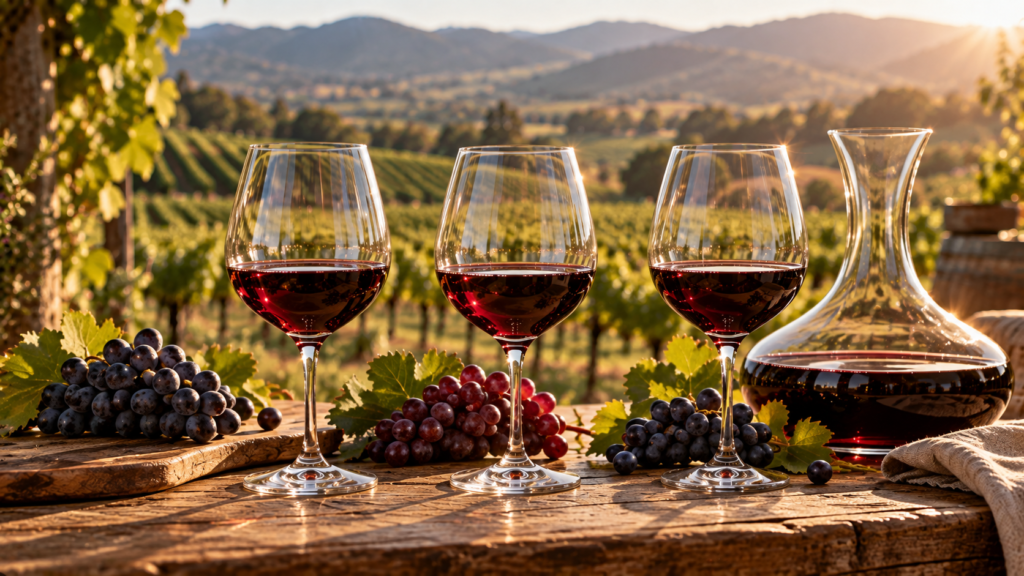
- How it works: Wine is poured into a wide-bottomed vessel to slowly oxygenate.
- Best for: Young, high-tannin reds or wines with sediment.
- Time: 30 mins to 2 hours
Aerators
- How they work: Devices that force oxygen into wine as you pour.
- Best for: Quick drinking, casual service.
- Time: Instant
At Mitchell Katz, we decant some of our younger vintage reds for tasting room guests, while recommending a simple aerator at home for everyday enjoyment.
When (and When Not) to Aerate Wine
Not all wines benefit from aeration. In fact, some can suffer if overexposed to air.
Wines That Benefit
- Young, tannic reds (Cabernet Sauvignon, Syrah)
- Vintage wines (with care)
- Natural wines with bottle funk
Wines to Avoid Aerating
- Delicate whites
- Older vintages (15+ years), which may oxidize too fast
- Sparkling wines, aeration removes bubbles
Pro tip: When in doubt, try a side-by-side, pour one glass straight from the bottle, and one after aerating. Taste both and compare.
How to Aerate Wine Properly
Here are practical steps for different aeration methods:
Using a Decanter
- Choose a clean glass decanter with a wide base.
- Pour wine gently to avoid breaking delicate aromas.
- Let sit for 30–60 minutes.
- Swirl occasionally to enhance exposure.
Using a Wine Aerator
- Attach aerator to the bottle.
- Pour directly into glass, oxygenation occurs instantly.
- Swirl before sipping.
Natural Aeration (Swirling)
- Pour wine into a glass.
- Swirl it gently for 10–30 seconds.
- Ideal for lighter reds or whites with minimal aeration needs.
Mitchell Katz Winery’s Approach to Wine Oxygenation
At Mitchell Katz Winery, we craft wines with a strong structural backbone especially our reds, which are known for their bold, expressive profiles.
Why Aeration Matters to Us:
- Our Cabernet Sauvignon, Zinfandel, and Syrah develop complexity with time and air.
- In our tasting room, we often pre-aerate bottles for weekend pours, ensuring guests experience the full depth of the vintage.
- We educate our Wine Club members on how to taste the evolution of our wines, from first pour to final sip.
Winemaking is an art, but also a precise science. From barrel aging to bottle release, we understand how oxygen plays a vital role, not just in winemaking, but in your glass.
How Winemakers Control Oxygen During Production
Behind every perfectly balanced bottle of wine is a series of precise decisions, many involving oxygen. At Mitchell Katz Winery and others like it, oxygen isn’t just a tasting-room factor; it’s woven into the very fabric of winemaking.
Oxygen Exposure in Winemaking
Oxygen interacts with wine from fermentation to bottling. But too much or too little can spell disaster. Winemakers use the following techniques to manage this delicate balance:
Controlled Oxidation
- During fermentation, small oxygen exposure helps yeast function properly.
- In barrel aging, especially in oak, slow oxygen exposure softens tannins and integrates flavors.
- Some wines undergo micro-oxygenation, a modern technique that introduces minuscule oxygen amounts over time to mimic aging.
Oxygen Limitation
- Once ideal development is reached, winemakers restrict oxygen to preserve freshness and prevent spoilage.
- Wines are transferred and bottled using inert gases like nitrogen or argon to limit oxidation.
Tools of the Trade
- Oak barrels: Porous wood allows micro-oxygenation.
- Stainless steel tanks: Airtight to prevent oxygen exposure.
- Barrel topping: Ensures no headspace for oxygen to sneak in.
- Sulfites: Added to prevent oxidation post-fermentation.
At Mitchell Katz Winery, our team carefully tailors oxygen exposure to each varietal. For example:
- Our Cabernet Sauvignon spends time in French oak, encouraging tannin development and complexity.
- Our Chardonnay may see partial barrel aging for added roundness, while remaining crisp and bright.
The History of Wine Aeration Across Cultures
Aerating wine may feel like a modern practice, but the roots of this ritual stretch across centuries and civilizations.
Ancient Civilizations and Early Wine Vessels
- Greeks and Romans used wide-mouthed kraters and amphorae, both of which naturally exposed wine to air during mixing and serving.
- Chinese winemaking over 2,000 years ago also involved open fermentation methods, allowing ambient air and yeast to play their part.
Medieval Europe
In medieval times, decanters made of glass became popular among the elite. Their use wasn’t just aesthetic, it was functional:
- Separating wine from sediment in aged reds.
- Allowing oxygen to “revive” wines that had been cellared for decades.
The Rise of Formal Wine Service
The tradition of swirling, sniffing, and sipping was standardized by:
- French sommeliers in the 18th century.
- British wine merchants, who recommended decanting old Ports and Bordeaux.
Today, while the tools have evolved, from electric aerators to designer decanters, the essence of the practice remains the same: unlocking flavor through oxygen.
Common Myths About Wine Aeration (Debunked)
With tradition comes myth. Let’s bust some of the most persistent misconceptions surrounding wine aeration.
Myth 1: All wines benefit from aeration
Truth: Not true. Light whites, rosés, and older vintages can lose their structure or oxidize quickly with too much air.
Myth 2: Swirling is enough for every wine
Truth: Swirling can help release aromas, but structured reds often need more time and space (via decanting) for tannins to soften.
Myth 3: Aeration is just for show
Truth: There’s real chemistry involved. Oxidation and volatilization create measurable changes in aroma and flavor.
Myth 4: Aerators are better than decanters
Truth: Not necessarily. Aerators work fast, but decanters allow gradual transformation. The best choice depends on the wine and setting.
Myth 5: You can’t over-aerate wine
Truth: You absolutely can. Extended exposure can flatten flavors and cause a wine to taste dull or vinegary.
Understanding these myths helps you use aeration intentionally, not just habitually.
Final Sip: Taste Science Meets Tradition
Wine is a living liquid. Every time you pour a glass, you’re witnessing chemistry at play and aeration is your tool for unlocking its hidden beauty.
Understanding the science of sipping empowers you to enjoy your wine more deeply. Whether you’re enjoying a bold Mitchell Katz red with friends or exploring new vintages solo, don’t underestimate the power of oxygen.
So next time you uncork a bottle, give it a moment to breathe and let the story unfold, one aromatic note at a time.