Introduction
There’s something undeniably special about sharing a bottle of wine with friends, but hosting a wine tasting party takes that experience to an entirely new level. It’s an opportunity to savor unique vintages, learn more about varietals, and enjoy memorable moments. When you bring Mitchell Katz wines into the mix, you’re offering guests not just exceptional wines, but a taste of Livermore Valley’s rich terroir and winemaking heritage. These gatherings can blend education, entertainment, and culinary artistry into one seamless, unforgettable evening.
Why Host a Wine Tasting Party?
Whether it’s an intimate gathering or a celebratory event, a wine tasting party is a social, sensory experience that encourages discovery. It allows guests to:
- Explore different varietals and vintages
- Understand flavor profiles and winemaking techniques
- Deepen appreciation for high‑quality, local wines
- Enjoy an elegant yet relaxed social setting
- Foster community and connection through shared sensory experiences
When featuring wines from Mitchell Katz Winery, the experience becomes even more compelling thanks to their handcrafted, single‑vineyard approach. Each bottle tells a story of place, process, and passion.
Planning Your Wine Tasting Experience
Every great event starts with planning. Consider these key aspects:
Guest List
Aim for 6–12 guests to maintain a conversational and engaging atmosphere. For larger groups, consider creating tasting stations or a guided format with structured segments.
Format Options
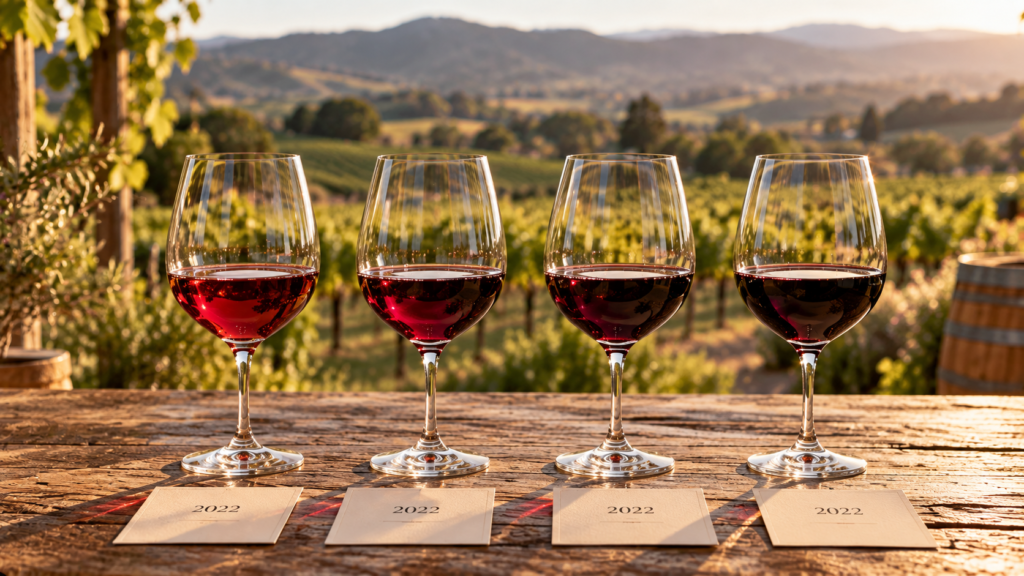
- Blind Tasting: Label bottles with foil and numbers; reveal at the end. Great for unbiased opinions.
- Themed Tasting: Focus on a varietal like Cabernet Sauvignon or Zinfandel.
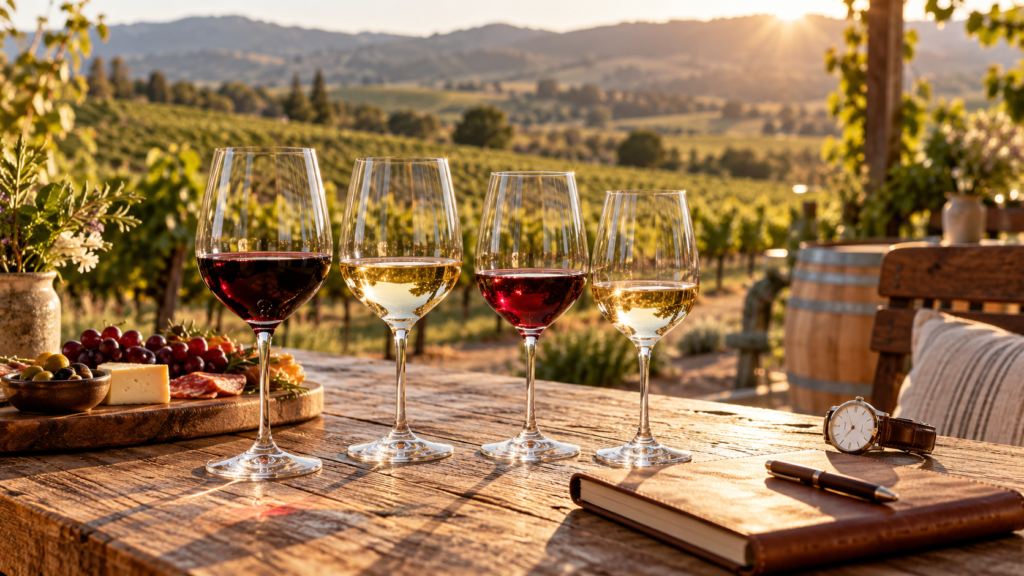
- Progressive Tasting: Start with whites, move to reds, finish with dessert wine.
- Horizontal vs. Vertical Tastings: Horizontal compares wines of the same vintage across producers, while vertical showcases different vintages of the same wine.
Supplies Checklist
- 1 wine glass per guest (or separate for each wine)
- Spit cups and dump bucket
- Water glasses
- Palate cleansers (crackers, breadsticks)
- Notepads and pens
- Wine openers and decanters
- Napkins and coasters
Choosing Your Mitchell Katz Wines
One of the best parts of hosting is curating your lineup. Mitchell Katz Winery offers a diverse portfolio ideal for tastings:
- Chardonnay: A crisp, citrus‑forward white that starts the tasting off light.
- Cabernet Sauvignon: Rich and robust, perfect for anchoring the red wine portion.
- Zinfandel: Fruity, spicy, and a standout conversation piece.
- Sangiovese or Syrah: Add a twist with these bold, expressive reds.
- Rosé: Light, floral, and perfect for warmer seasons.
Choose 4–6 wines to keep the experience dynamic yet focused. Provide guests with a tasting flight card listing each wine, including vintage, varietal, and vineyard notes.
Setting the Scene: Ambiance and Decor
- Lighting: Soft, ambient lighting sets a relaxed mood.
- Table Setting: Use white tablecloths to help guests better view wine color.
- Themed Decor: Incorporate vineyard imagery or rustic Livermore Valley touches.
- Music: Opt for light jazz or acoustic playlists to enhance but not overpower conversation.
- Table Accents: Grape vines, cork displays, barrel wood platters, and artisan glassware.
Creating the Perfect Tasting Order
A proper sequence enhances flavor recognition:
- Sparkling (if included)
- Whites (lightest to full‑bodied)
- Rosés
- Reds (light to bold)
- Dessert wines
For Mitchell Katz wines, you might go from Chardonnay to Rosé, then Merlot, Cabernet Sauvignon, and finish with a bold Zinfandel.
Food Pairing Essentials
Pairing wines with the right foods elevates the tasting. Keep portions bite‑sized and thoughtfully matched:
- Chardonnay: Brie, roasted chicken, or seafood crostini
- Cabernet Sauvignon: Aged cheddar, grilled steak bites
- Zinfandel: Barbecue sliders, spicy sausage, or dark chocolate
- Sangiovese: Margherita flatbread, tomato‑based bruschetta
- Rosé: Goat cheese, prosciutto, watermelon salad
Use local Livermore ingredients for an authentic regional touch. Offer both savory and sweet pairings to appeal to all palates.
Tasting Notes and Wine Scorecards
Encourage guests to jot down their thoughts on each pour. Provide tasting cards with prompts:
- Appearance: Color and clarity
- Aroma: Floral, fruity, earthy notes
- Taste: Balance, acidity, body, finish
- Rating: 1 to 5 stars
- Personal Impressions: Food match ideas, mood, memories
These not only guide new tasters but also foster deeper engagement. Keep the cards as souvenirs.
Wine Tasting Games and Engagement Ideas
- Guess the Varietal: Blind test a wine and guess the grape.
- Flavor Bingo: Cards with flavor notes—who spots them first?
- Wine Trivia: Test knowledge of winemaking or Mitchell Katz history.
- Label Creator: Let guests design mock wine labels for fun.
Hosting Tips and Common Mistakes to Avoid
Do:
- Serve wines slightly chilled (whites ~50°F, reds ~60°F)
- Offer water and snacks throughout
- Pour modest 2‑oz servings
- Create structured breaks between tastings
Don’t:
- Overload guests with too many wines
- Skip food pairing—flavor fatigue is real
- Forget to enjoy it yourself!
Take photos to document the evening and share with guests later as a memorable memento.
Highlighting Livermore Valley’s Terroir
A unique aspect of your party is showcasing Livermore Valley through Mitchell Katz wines. Share facts and stories:
- The valley’s unique east‑west orientation
- Gravel and loam soils perfect for bold reds
- Sun‑drenched days and cool evenings
- Mitchell Katz’s legacy of sustainable, family‑driven winemaking
This adds storytelling depth to your tasting. Include a short talk or visual aid if guests are curious about the region.
Elevating the Experience: Incorporating Local Art and Music
Invite a local musician to perform or stream a curated playlist of Livermore artists. Feature local art pieces or photography showcasing the valley. This deepens regional pride and turns your party into a cultural celebration.
Customizing Tastings for Different Audiences
- Beginners: Focus on basic wine terms and gentle wines.
- Wine Enthusiasts: Include technical sheets and vintage comparisons.
- Couples: Add romantic elements like candlelight or duo tasting scorecards.
- Corporate: Make it team‑building with trivia and light‑hearted competition.
Creating Memorable Takeaways for Guests
- Personalized wine glasses
- Mini wine bottles with custom tags
- Wine tasting booklets with Mitchell Katz branding
- Coupon or voucher for a winery visit
These elevate the perceived value of the event.
Partnering with Local Artisans and Chefs
Collaborate with Livermore‑based cheesemongers, bakers, or chefs to create pairings or charcuterie boards. Highlighting these partnerships boosts community support and adds gourmet sophistication.
Tips for Virtual Wine Tasting Events
- Ship tasting kits in advance
- Use Zoom for guided tastings
- Include digital scorecards and live Q&A
- Add local music and pre‑recorded winery tour clips
Virtual events can still feel personal and immersive.
Expanding Your Wine Knowledge Post‑Party
- Visit Mitchell Katz Winery
- Join the wine club
- Read winemaking blogs
- Explore wine‑focused travel in Livermore
A great tasting should spark lasting curiosity and connection.
Wine Tasting Etiquette: Do’s and Don’ts for Guests
Do:
- Swirl, sniff, and savor wines respectfully
- Ask questions about wine origins and winemaking
- Respect pacing and wait for group pours
- Use polite language when expressing taste preferences
Don’t:
- Wear heavy perfumes or colognes that interfere with aroma
- Monopolize conversations or dominate tastings
- Criticize wines rudely or loudly
- Get overly intoxicated—sip responsibly
Wine‑Themed Party Favors and Gift Ideas
- Custom Corkscrews: Branded with Mitchell Katz Winery or event date
- Mini Cheese Boards: Laser‑engraved with a tasting quote
- Bottle Stoppers: Elegant designs or personalized initials
- Wine Journals: Small notebooks for wine tracking and tasting notes
- Scented Candles: Infused with wine‑inspired aromas like oak, berry, or vanilla
Curating a Seasonal Wine Tasting Experience
Spring:
- Emphasize light whites, rosé, and floral notes
- Pair with fresh herbs, goat cheese, and early vegetables
Summer:
- Feature chilled wines like Sauvignon Blanc and sparkling rosé
- Offer grilled skewers, watermelon, and citrus sorbet
Fall:
- Showcase Zinfandel, Syrah, and Viognier
- Pair with roasted squash, nuts, and spiced meats
Winter:
- Embrace bold reds like Cabernet Sauvignon and Petite Sirah
- Serve fondue, braised meats, and dark chocolate
Incorporating Interactive Wine Education
- Mini Wine Workshops: 10‑minute sessions on how wine is made
- Flavor Exercises: Taste components like tannin, acidity, and sweetness in isolation
- DIY Blending Stations: Mix samples of wine to create a personal blend
- Label Reading Lesson: Teach how to read wine labels and understand vintage, varietal, and vineyard data
Conclusion
Hosting a wine tasting party with Mitchell Katz wines isn’t just an evening event—it’s an immersive journey through Livermore Valley, guided by exceptional craftsmanship. With the right setup, wines, and a touch of local flair, you’ll create a night to remember for every guest.
From etiquette and seasonal flair to education and curated experiences, your event can evolve into a full‑bodied celebration of wine culture and community. Keep exploring. Keep sipping. Keep celebrating what makes local wine truly special.
FAQ
What wines should I serve at a tasting party?
Choose a mix of varietals like Chardonnay, Cabernet Sauvignon, and Zinfandel from a single winery like Mitchell Katz for consistent quality and theme.
How do I host a wine tasting party at home?
Plan your guest list, select 4–6 wines, pair with small bites, and guide guests through tasting notes and interactive games.
How much wine is needed per person?
Plan for 2 oz pours of each wine per guest. With 5 wines, that’s about half a bottle per guest total.
Should wine be served cold?
Yes, serve whites around 50°F and reds near 60°F for optimal flavor.
What makes Mitchell Katz wines special?
They are handcrafted, single-vineyard wines from Livermore Valley, emphasizing terroir and sustainability.